
LusoAnarchist Reader
The Origins of Anarchism in Portugal and Brazil
Inbunden, Engelska, 2016
1 369 kr
Beställningsvara. Skickas inom 5-8 vardagar. Fri frakt för medlemmar vid köp för minst 249 kr.
No book has ever presented a selection of writings of anarchists from the Portuguese-speaking world to an English-speaking audience. In The Luso-Anarchist Reader, writings by feminist radicals such as Maria Lacerda de Moura and anarchist communists such as Neno Vasco are made available in English for the first time. Researchers and activists interested in achieving a more comprehensive understanding of people's movements could certainly stand to benefit from exposure to these texts.Groups such as the Anarchist Federation of Rio de Janeiro are organizing in both urban and rural Brazil, sometimes working as part of a larger umbrella organization known as Brazilian Anarchist Coordination or CAB coordinating the efforts of various anarchist associations. Anarchists participated in the massive 2013 protests in Brazil, protests that brought together millions of people to speak out against corruption and for a variety of social causes. Anarchists are active in anti-austerity protests in Portugal against the European troika. Given the visibility of anarchism in the Portuguese-speaking world, Brazil in particular, the need to understand the roots of this anarchist tradition is especially salient.Anarchism in the Portuguese-speaking world during the early twentieth century brought together immigrants, people of African and indigenous descent, and feminists to forge a solidarity-based alliance for change. The young anarchist activists questioning the status quo today stand on ground seeded by the hard work of their predecessors.
Produktinformation
- Utgivningsdatum2016-12-07
- Mått156 x 234 x 11 mm
- Vikt435 g
- FormatInbunden
- SpråkEngelska
- SerieCritical Constructions: Studies on Education and Society
- Antal sidor182
- FörlagEmerald Publishing Inc
- ISBN9781681237190
Tillhör följande kategorier
Hoppa över listan







Du kanske också är intresserad av
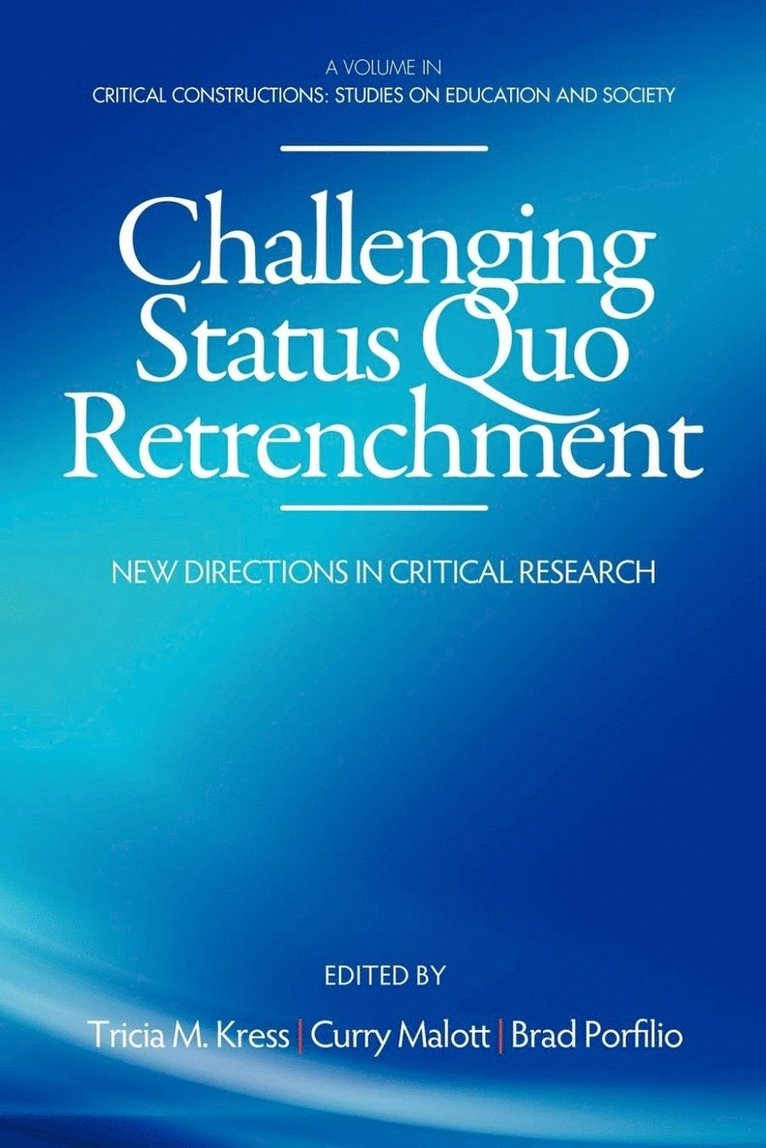
Challenging Status Quo Retrenchment
Tricia M. Kress, Curry Malott, Brad J. Porfilio
Inbunden, 2012
1 329 kr
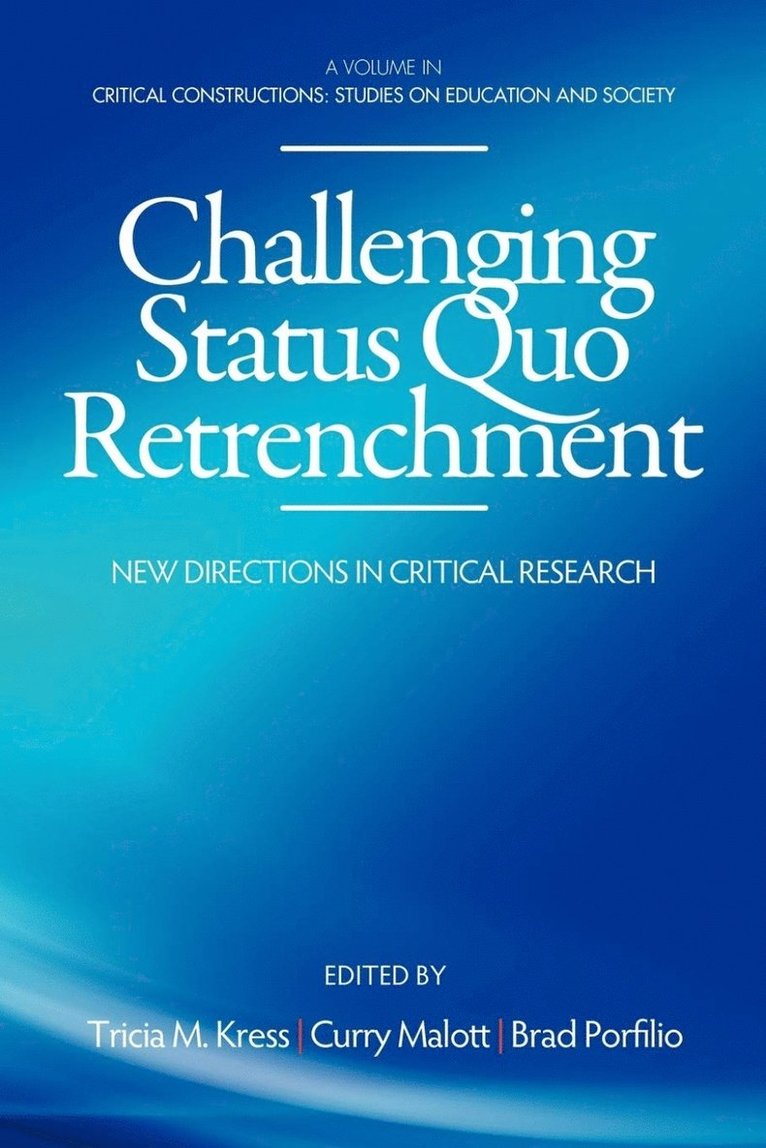
Challenging Status Quo Retrenchment
Tricia M. Kress, Curry Malott, Brad J. Porfilio
Häftad, 2012
709 kr
News Media and the Neoliberal Privatization of Education
Zane C. Wubbena, Derek R. Ford, Brad J. Porfilio
Inbunden, 2016
1 419 kr
Read Aloud Handbook for Native American Children
Lauren Waukau-Villagomez, Samantha J. Villagomez
Inbunden, 2019
1 149 kr
- Nyhet
Del 11