
Del i serien Past Imperfect
Lombards in Italy
Häftad, Engelska, 2025
389 kr
Beställningsvara. Skickas inom 5-8 vardagar. Fri frakt för medlemmar vid köp för minst 249 kr.
This book provides a new analysis of the Lombards in Italy from their first arrival in the peninsula towards the end of the sixth century until the end of their contribution to Italian politics in the eleventh century.Focusing on the environmental and human parameters of the Lombard contribution to Italy in the Early Middle Ages, Heath provides a new and up-to-date analysis. Rather than considering traditional political developments alone, the book weaves together discussion of the spatial aspects of Lombard settlement; their impact on urban and rural landscapes; their responses to religious praxis and belief, and through this, the creation of a revived identity in a new context, which was embodied in law—one of their most enduring legacies. The book restores the Lombards to a position of central importance in early medieval Italy.
Produktinformation
- Utgivningsdatum2025-11-30
- Mått114 x 178 x 10 mm
- Vikt295 g
- FormatHäftad
- SpråkEngelska
- SeriePast Imperfect
- Antal sidor120
- FörlagArc Humanities Press
- ISBN9781802702699
Tillhör följande kategorier
Hoppa över listan





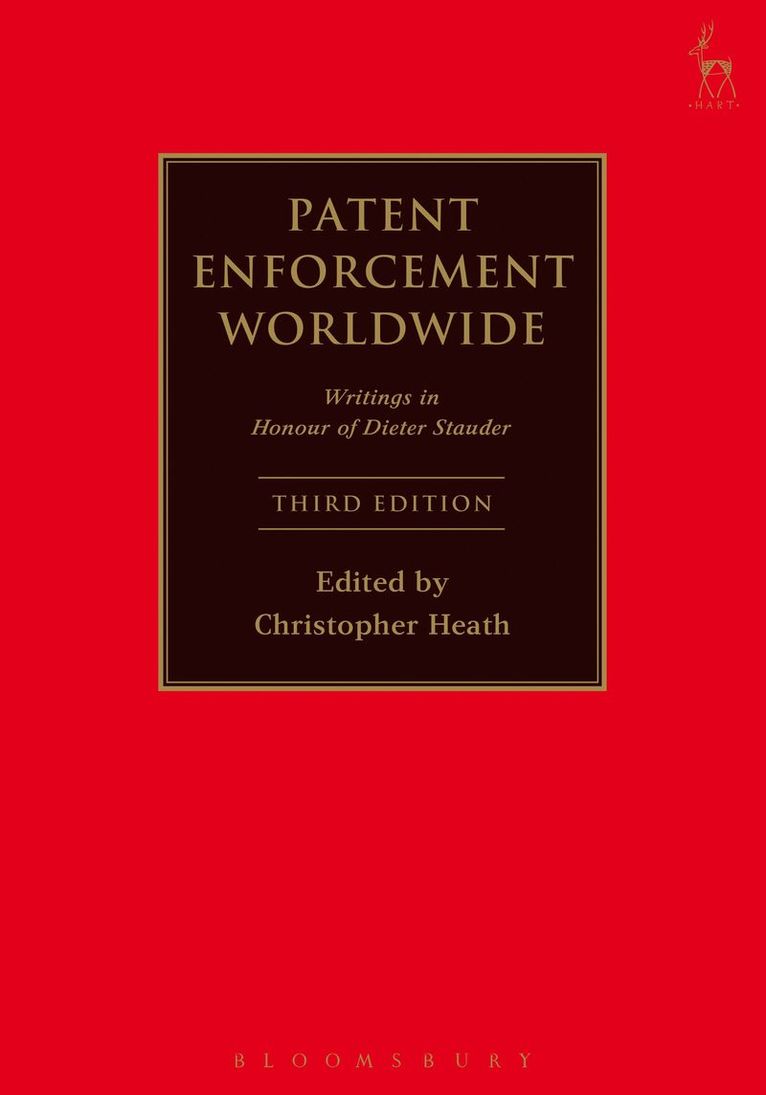
Mer från samma författare
Conflict and Violence in Medieval Italy 568-1154
Christopher Heath, Robert Houghton
Häftad, 2025
929 kr
New Frontiers of Intellectual Property Law
Christopher Heath, Anselm Kamperman Sanders
Häftad, 2005
2 339 kr
Intellectual Property & Free Trade Agreements
Christopher Heath, Anselm Kamperman Sanders
Häftad, 2007
1 839 kr