
Del i serien Studies in Modern Tibetan Culture
Life and Times of George Tsarong of Tibet, 1920–1970
A Lord of the Traditional Tibetan State
Inbunden, Engelska, 2022
2 119 kr
Beställningsvara. Skickas inom 10-15 vardagar. Fri frakt för medlemmar vid köp för minst 249 kr.
Finns i fler format (1)
Centuries have passed since the demise of many precapitalist agricultural states. Despite the British invasion of 1903 and the Chinese invasion in 1950, the Tibetan state continued to fully function until 1959. For this reason, this biography of George Tsarong not only provides new and in-depth perspectives on the life of an official of the Tibetan state, but it will also contribute to the comparative study of precapitalist states. This book weaves together history and biography to narrate the life of an aristocratic state official, his education and social life, his registration and entrance into a civil service career. It also describes the various personal and state political intrigues he was involved in and the many grand ceremonies that dominated the life of a state official. George Tsarong’s story is also the story of the fall of this traditional state and the complex social and psychological aspects of occupation, resistance, and exile.
Produktinformation
- Utgivningsdatum2022-01-04
- Mått161 x 237 x 31 mm
- Vikt830 g
- FormatInbunden
- SpråkEngelska
- SerieStudies in Modern Tibetan Culture
- Antal sidor476
- FörlagBloomsbury Publishing Plc
- ISBN9781793641779
Tillhör följande kategorier
Hoppa över listan
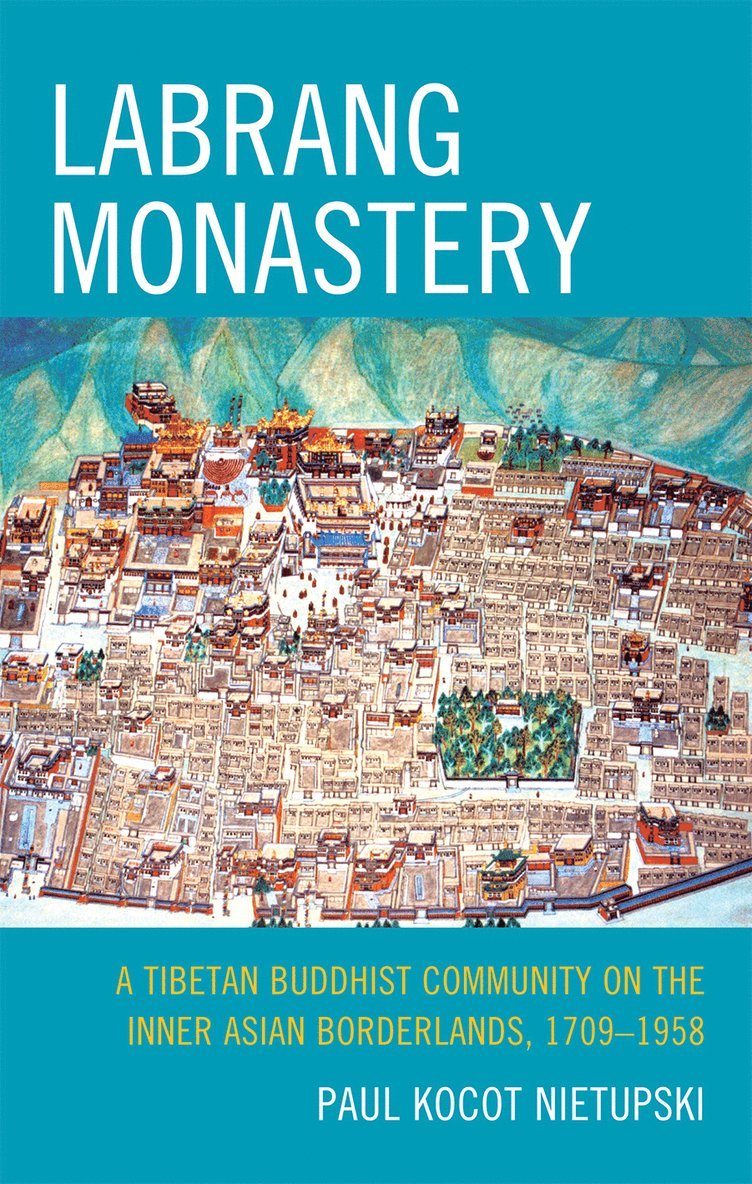
Mer från samma serie
Oral and Literary Continuities in Modern Tibetan Literature
Lama Jabb, Gray Tuttle
Inbunden, 2015
2 299 kr
Hoppa över listan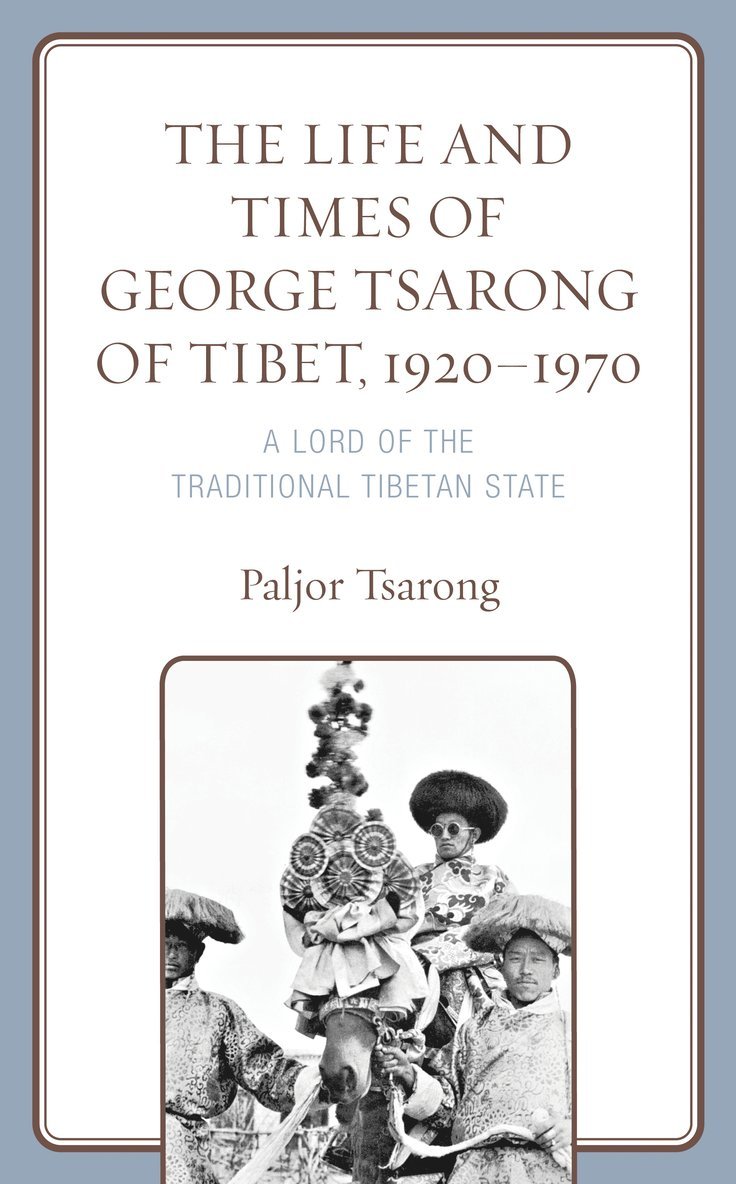
Du kanske också är intresserad av
Power of Publishing in Early Modern Tibetan Buddhism
Benjamin J. Nourse, Gray Tuttle
Inbunden, 2025
1 599 kr