
Lichens on the Ancient Monuments
Insight into Lichen-Induced Biodeterioration
Häftad, Engelska, 2027
1 979 kr
Kommande
Lichens on the Ancient Monuments: Insight into Lichen-Induced Biodeterioration introduces lichen-induced biodeterioration and conservation of ancient monuments. Sections cover current trends, tools, and strategies to conserve monuments against lichen biodeterioration. The book explores a range of worldwide lichen biodeterioration work, offering an overview of specimens examined, along with the methodologies employed to elucidate problems. In addition, the book explores lichen biodeterioration studies on UNESCO World Heritage Sites and endangered historic sites.
- Covers the topic of conservation of monuments against lichen biodeterioration
- Discusses mechanisms and understanding of lichen-induced biodeterioration of historical monuments
- Offers research progress on techniques to measure biodeterioration, factors affecting biodeterioration, and remedies for the biodeterioration of monuments
Produktinformation
- Utgivningsdatum2027-01-01
- Mått191 x 235 x undefined mm
- FormatHäftad
- SpråkEngelska
- Antal sidor350
- FörlagElsevier Science
- ISBN9780443335266
Tillhör följande kategorier
Hoppa över listan



Du kanske också är intresserad av
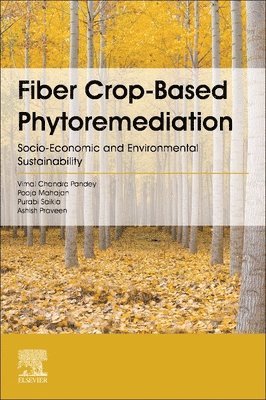
Fiber Crop-Based Phytoremediation
Pooja Mahajan, Purabi Saikia, Ashish Praveen, Vimal Chandra Pandey
Häftad, 2022
2 019 kr
Biodiversity and Ecosystem Services on Post-Industrial Land
Vimal Chandra Pandey
Inbunden, 2024
2 819 kr
Bioprospecting Native Microbiomes for Boosting Phytoremediation
Vimal Chandra Pandey, Indra Mani
Häftad, 2027
2 569 kr
Adaptive Phytoremediation Practices
Gordana Gajic, Pallavi Sharma, Madhumita Roy, Vimal Chandra Pandey
Häftad, 2022
1 769 kr
Agroforestry-Based Soil Restoration and Management
Vimal Chandra Pandey, Manoj Kumar Jhariya
Häftad, 2026
2 589 kr