
Del i serien Epistemologies of Healing
Land Is Dying
Contingency, Creativity and Conflict in Western Kenya
Inbunden, Engelska, 2010
2 699 kr
Beställningsvara. Skickas inom 5-8 vardagar. Fri frakt för medlemmar vid köp för minst 249 kr.
Finns i fler format (1)
Based on several years of ethnographic fieldwork, the book explores life in and around a Luo-speaking village in western Kenya during a time of death. The epidemic of HIV/AIDS affects every aspect of sociality and pervades villagers' debates about the past, the future and the ethics of everyday life. Central to such debates is a discussion of touch in the broad sense of concrete, material contact between persons. In mundane practices and in ritual acts, touch is considered to be key to the creation of bodily life as well as social continuity. Underlying the significance of material contact is its connection with growth – of persons and groups, animals, plants and the land – and the forward movement of life more generally. Under the pressure of illness and death, economic hardship and land scarcity, as well as bitter struggles about the relevance and application of Christianity and ‘Luo tradition’ in daily life, people find it difficult to agree about the role of touch in engendering growth, or indeed about the aims of growth itself.
Produktinformation
- Utgivningsdatum2010-06-01
- Mått152 x 229 x 29 mm
- Vikt798 g
- FormatInbunden
- SpråkEngelska
- SerieEpistemologies of Healing
- Antal sidor444
- FörlagBerghahn Books
- ISBN9781845454814
Tillhör följande kategorier
Hoppa över listan

Mer från samma författare
Traces of the Future
Paul Wenzel Geissler, Guillaume Lachenal, John Manton, Noémi Tousignant
Häftad, 2016
459 kr
Repair across Africa
Charline Kopf, Paul Wenzel Geissler, Aissatou Mbodj-Pouye, Lotte Meinert
Häftad, 2026
569 kr
Hoppa över listan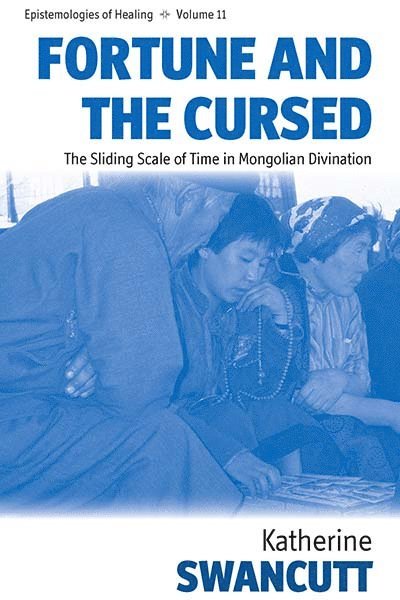





Mer från samma serie
Del 11
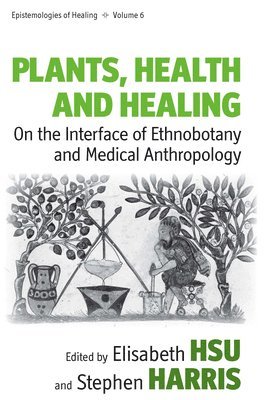
Del 6
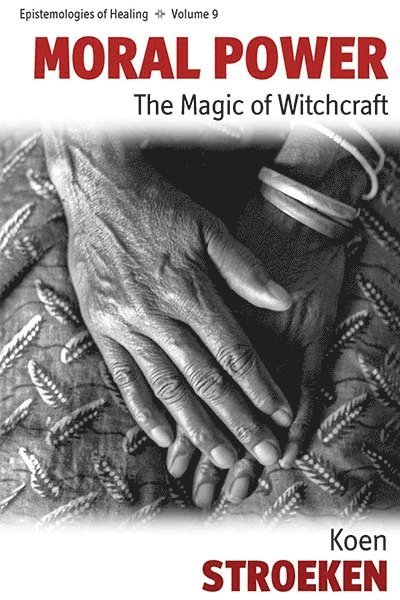
Del 9
Del 13
Del 10
Medicine Between Science and Religion
Vincanne Adams, Mona Schrempf, Sienna R. Craig
Häftad, 2013
669 kr
Hoppa över listan
Du kanske också är intresserad av
Del 5
Traces of the Future
Paul Wenzel Geissler, Guillaume Lachenal, John Manton, Noémi Tousignant
Häftad, 2016
459 kr
Repair across Africa
Charline Kopf, Paul Wenzel Geissler, Aissatou Mbodj-Pouye, Lotte Meinert
Häftad, 2026
569 kr
Del 13