
Ishtar Gate of Babylon
From Fragment to Monument
Häftad, Engelska, 2022
269 kr
Beställningsvara. Skickas inom 11-20 vardagar. Fri frakt för medlemmar vid köp för minst 249 kr.
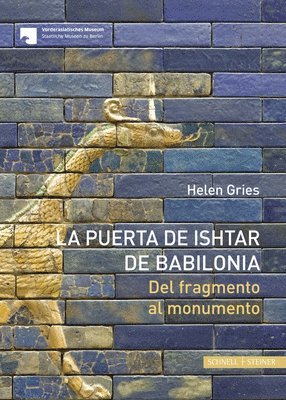
The lavishly decorated Ishtar Gate was one of ancient Babylon’s city gates. The Babylonian king Nebuchadnezzar II built it in the 6th century BCE. During the annual New Year festival, the processions of the gods passed through this gate as they entered the city centre.But how did the Babylonians make the glazed bricks used in the gate’s construction? What was the significance of the lions, dragons, and bulls that adorned the gate? How and why did pieces of the gate end up in Berlin, where the Ishtar Gate was reconstructed from thousands of fragments in the 1920s? And how authentic is this reconstruction?
Produktinformation
- Utgivningsdatum2022-04-04
- Mått148 x 210 x 6 mm
- Vikt208 g
- FormatHäftad
- SpråkEngelska
- Antal sidor80
- FörlagSchnell & Steiner GmbH, Verlag
- ISBN9783795437268
Tillhör följande kategorier
Hoppa över listan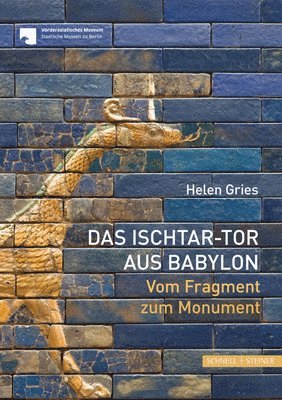
Mer från samma författare
Der Assur-Tempel in Assur: Das Assyrische Hauptheiligtum Im Wandel Der Zeit
Helen Gries
Inbunden
5 469 kr
Hoppa över listan





Du kanske också är intresserad av
Der Assur-Tempel in Assur: Das Assyrische Hauptheiligtum Im Wandel Der Zeit
Helen Gries
Inbunden
5 469 kr
- Nyhet
Del 3
- Nyhet
Del 11
Del 1
- Nyhet
Del 6
- Nyhet
- Nyhet
Del 4