
Del i serien Medieval Animals
Introducing the Medieval Bear
Häftad, Engelska, 2026
289 kr
Beställningsvara. Skickas inom 5-8 vardagar. Fri frakt för medlemmar vid köp för minst 249 kr.
Since the Middle Ages, bears have most frequently been seen as objects. For many centuries, Europeans regarded bears as pests to be eradicated because of the danger they posed to human beings and livestock, whilst in recent decades they have increasingly been seen as victims to be protected from human violence. When a bear attacks, the contemporary response is typically to blame human beings’ failure, either to signal their presence in bears’ habitats or to bear-proof their backyards. For climate change activists, the polar bear has become emblematic of the threat posed by humans to the natural world, even though the polar bear’s population has steadily increased in recent times. At two extremes, bears have been objects of predation or pity. In medieval times, however, bears were not objects but subjects viewed as creatures of God. They were seen as being in possession of something analogous to rationality, which enabled them to display surprising intelligence: as warriors endowed with both strength and courage to which humans could only aspire; as fierce competitors in bear-baiting spectacles, like prize-fighters engaged in a bloody sport; or as lovers, inclined to abduct women and have children with them. People treated bears as they expected to be treated themselves, and expected them to behave as humans would; not as passive victims of human action, but as active subjects.
Produktinformation
- Utgivningsdatum2026-04-15
- Mått129 x 198 x 19 mm
- Vikt244 g
- FormatHäftad
- SpråkEngelska
- SerieMedieval Animals
- Antal sidor152
- FörlagUniversity of Wales Press
- ISBN9781837723751
Tillhör följande kategorier
Hoppa över listan







Mer från samma författare
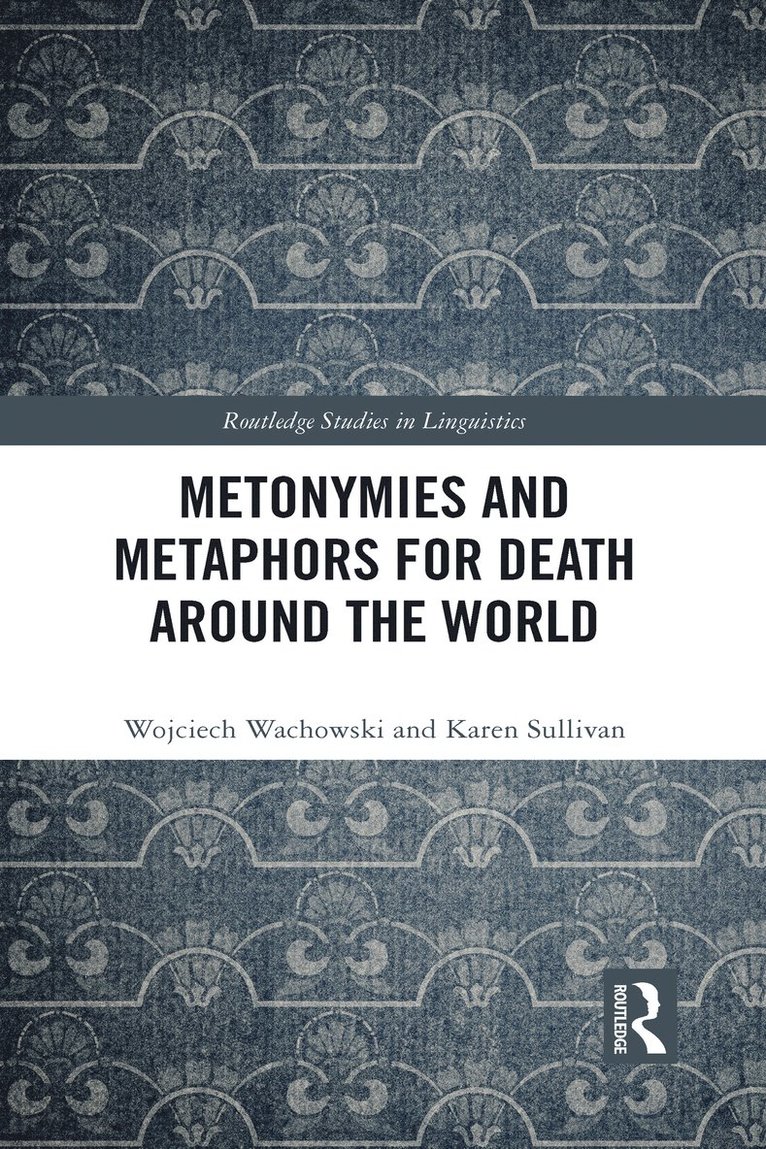
Metonymies and Metaphors for Death Around the World
Wojciech Wachowski, Karen Sullivan
Inbunden, 2021
3 209 kr
Metonymies and Metaphors for Death Around the World
Wojciech Wachowski, Karen Sullivan
Häftad, 2023
829 kr
Hoppa över listan


Du kanske också är intresserad av
Metonymies and Metaphors for Death Around the World
Wojciech Wachowski, Karen Sullivan
Häftad, 2023
829 kr