
Intersection of High-Impact Practices
What’s Next for Higher Education?
Inbunden, Engelska, 2021
1 499 kr
Beställningsvara. Skickas inom 10-15 vardagar. Fri frakt för medlemmar vid köp för minst 249 kr.
The Intersection of High-Impact Practices: What’s Next for Higher Education? examines high-impact practices and their impacts individually and collectively to demonstrate the added value of connecting high-impact practices. The research presented by Drs. Reilly and Turnbaugh-Langley illustrates that student success is not just a function of participation in one or many high-impact practices, but rather the order, timing, and interaction of these practices that yields the highest impact. These chapters discuss various high-impact practices such as study abroad experiences, student research initiatives, and internships to explore how these kinds of activities augment and enrich the success of students. The authors also speculate on where schools could increase the funding for these high-impact practices to maximize the institution’s return on investment. Ultimately, this book strongly advocates for not only the benefits of high-impact practices, but making sure students have multiple experiences with them.
Produktinformation
- Utgivningsdatum2021-05-03
- Mått162 x 239 x 20 mm
- Vikt449 g
- FormatInbunden
- SpråkEngelska
- Antal sidor176
- FörlagBloomsbury Publishing Plc
- ISBN9781793606150
Tillhör följande kategorier
Hoppa över listan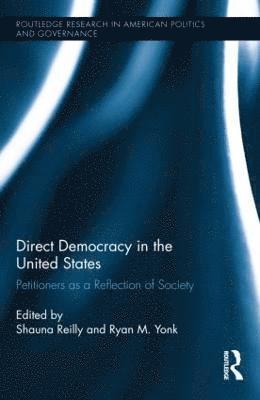
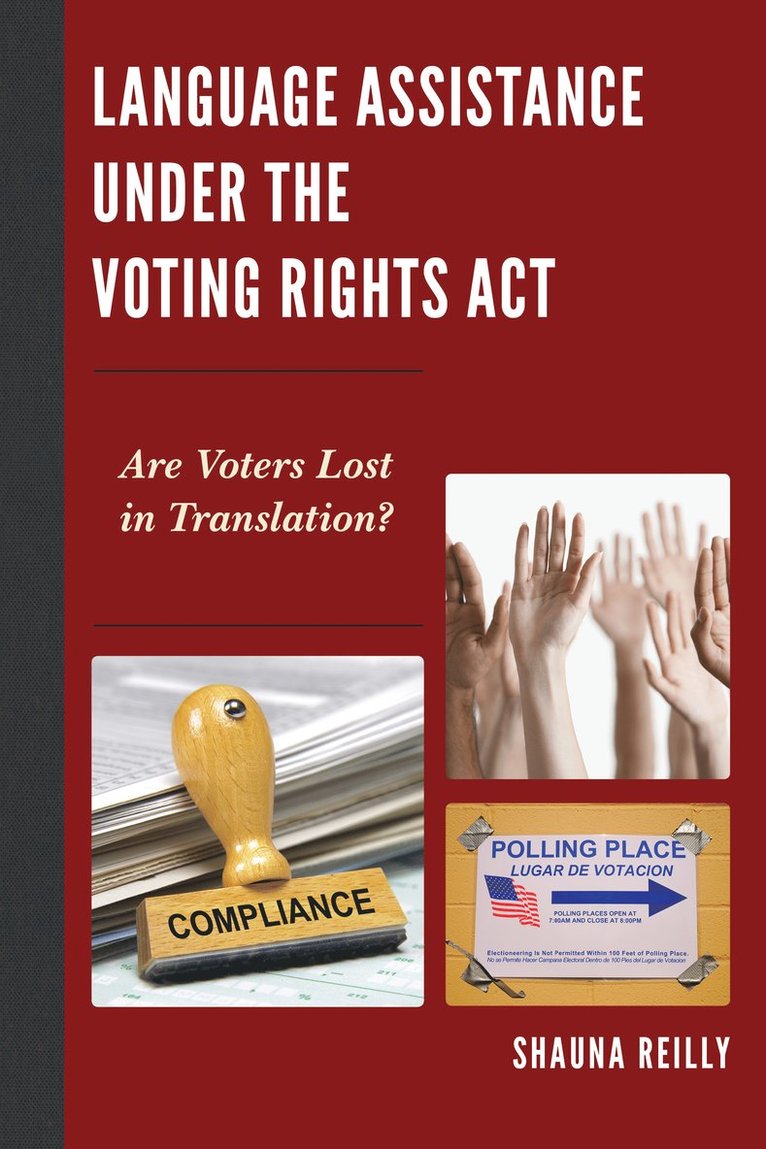




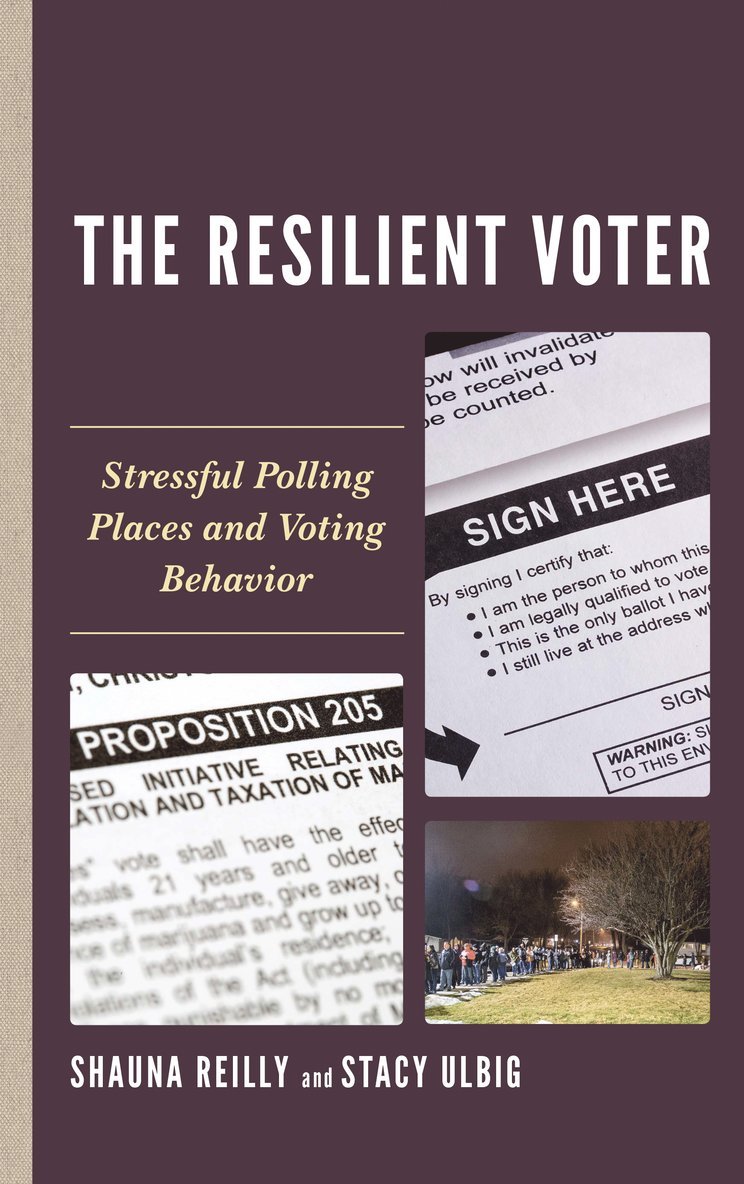
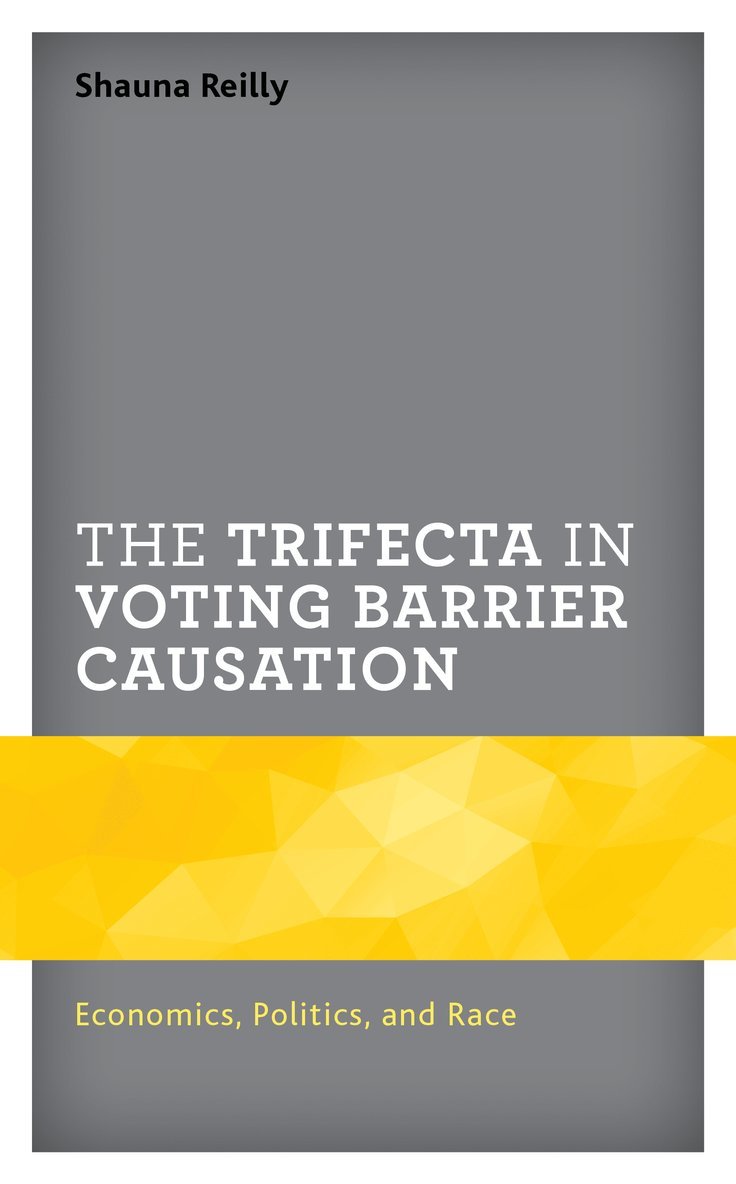
Mer från samma författare
- Nyhet
Experiential Student Philanthropy
Megan S. Downing, Kajsa C. Larson, Shauna Reilly
Inbunden, 2026
1 499 kr
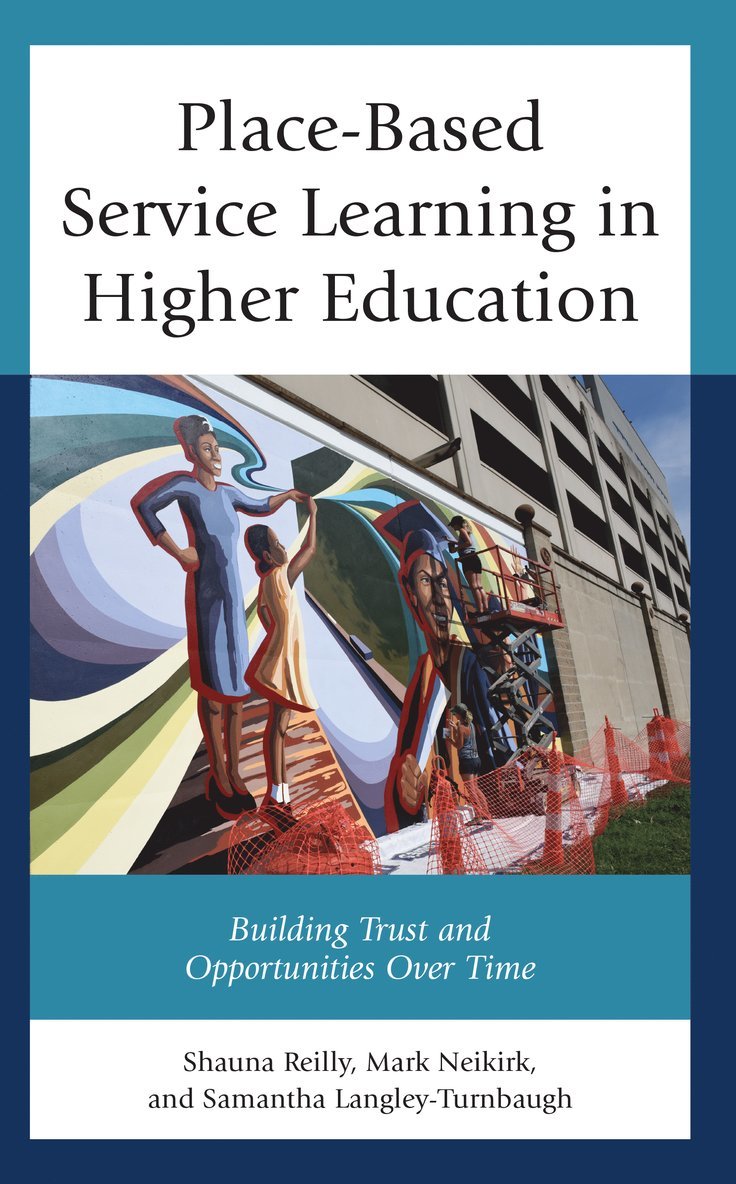
Place-Based Service Learning in Higher Education
Shauna Reilly, Mark Neikirk, Samantha Langley-Turnbaugh
Inbunden, 2023
1 239 kr
Hoppa över listan
Du kanske också är intresserad av
Place-Based Service Learning in Higher Education
Shauna Reilly, Mark Neikirk, Samantha Langley-Turnbaugh
Inbunden, 2023
1 239 kr
- Nyhet
Experiential Student Philanthropy
Megan S. Downing, Kajsa C. Larson, Shauna Reilly
Inbunden, 2026
1 499 kr