
Del i serien Routledge Studies in Epistemology
Intellectual Dependability
A Virtue Theory of the Epistemic and Educational Ideal
Inbunden, Engelska, 2021
3 219 kr
Beställningsvara. Skickas inom 10-15 vardagar. Fri frakt för medlemmar vid köp för minst 249 kr.
Finns i fler format (1)
Intellectual Dependability is the first research monograph devoted to addressing the question of what it is to be an intellectually dependable person—the sort of person on whom one’s fellow inquirers can depend in their pursuit of epistemic goods. While neglected in recent scholarship, this question is an important one for both epistemology—how we should conceptualize the ideal inquirer—and education—how we can enable developing learners to grow toward this ideal.The book defends a virtue theory according to which being an intellectually dependable person is distinctively a matter of possessing a suite of neglected virtues called "the virtues of intellectual dependability" that are themselves distinctively concerned with promoting epistemic goods in others’ inquiries. After defending the existence and educational significance of these virtues as a group, the book turns toward the project of identifying and conceptualizing several specific instances of these virtues in detail. Virtues discussed include intellectual benevolence, intellectual transparency, communicative clarity, audience sensitivity, and epistemic guidance. In each case, an interdisciplinary treatment of the nature of the virtue and its relationship to other virtues, vices, and personality features is offered, drawing especially on relevant research in Philosophy and Psychology. The book concludes with a chapter devoted to identifying distinctive ways these virtues of intellectual dependability are manifested when it is inquiring communities, rather than individuals, that occupy the position of intellectual dependence.By directing attention to the ideal of intellectual dependability, the book marks a novel turn of scholarly interest explicitly toward a neglected dimension of the ideal inquirer that will inform both epistemological theorizing and educational practice.
Produktinformation
- Utgivningsdatum2021-03-31
- Mått152 x 229 x 20 mm
- Vikt60 g
- FormatInbunden
- SpråkEngelska
- SerieRoutledge Studies in Epistemology
- Antal sidor204
- FörlagTaylor & Francis Ltd
- ISBN9780367333690
Tillhör följande kategorier
Hoppa över listan
Mer från samma författare
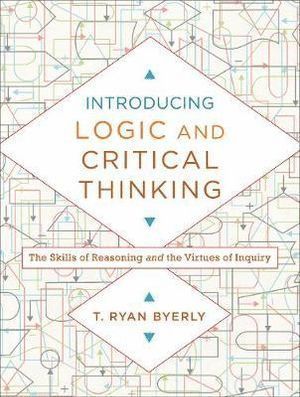
Introducing Logic and Critical Thinking – The Skills of Reasoning and the Virtues of Inquiry
T. Ryan Byerly
Häftad, 2017
329 kr
Hoppa över listan
Mer från samma serie
Social Epistemology and Relativism
Natalie Alana Ashton, Martin Kusch, Robin McKenna, Katharina Anna Sodoma
Inbunden, 2020
3 219 kr
Epistemology of Modality and Philosophical Methodology
Anand Vaidya, Duško Prelević
Inbunden, 2023
2 729 kr
Hoppa över listan
Du kanske också är intresserad av
Introducing Logic and Critical Thinking – The Skills of Reasoning and the Virtues of Inquiry
T. Ryan Byerly
Häftad, 2017
329 kr