
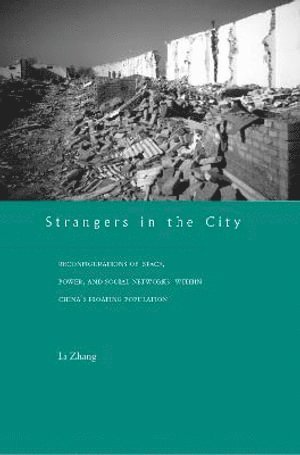
In Search of Paradise
Middle-Class Living in a Chinese Metropolis
Inbunden, Engelska, 2010
2 109 kr
Beställningsvara. Skickas inom 10-15 vardagar. Fri frakt för medlemmar vid köp för minst 249 kr.
Finns i fler format (1)
A new revolution in homeownership and living has been sweeping the booming cities of China. This time the main actors on the social stage are not peasants, migrants, or working-class proletariats but middle-class professionals and entrepreneurs in search of a private paradise in a society now dominated by consumerism. No longer seeking happiness and fulfillment through collective sacrifice and socialist ideals, they hope to find material comfort and social distinction in newly constructed gated communities. This quest for the good life is profoundly transforming the physical and social landscapes of urban China. Li Zhang, who is from Kunming, the capital of Yunnan province, turns a keen ethnographic eye on her hometown. She combines her analysis of larger political and social issues with fine-grained details about the profound spatial, cultural, and political effects of the shift in the way Chinese urban residents live their lives and think about themselves. In Search of Paradise is a deeply informed account of how the rise of private homeownership is reconfiguring urban space, class subjects, gender selfhood, and ways of life in the reform era. New, seemingly individualistic lifestyles mark a dramatic move away from yearning for a social utopia under Maoist socialism. Yet the privatization of property and urban living have engendered a simultaneous movement of public engagement among homeowners as they confront the encroaching power of the developers. This double movement of privatized living and public sphere activism, Zhang finds, is a distinctive feature of the cultural politics of the middle classes in contemporary China. Theoretically sophisticated and highly accessible, Zhang's account will appeal not only to those interested in China but also to anyone interested in spatial politics, middle-class culture, and postsocialist governing in a globalizing world.
Produktinformation
- Utgivningsdatum2010-05-15
- Mått152 x 229 x 22 mm
- Vikt907 g
- FormatInbunden
- SpråkEngelska
- Antal sidor264
- FörlagCornell University Press
- ISBN9780801448331
- UtmärkelserWinner, 2012 Robert E. Park Award for Best Book (A
Tillhör följande kategorier
Hoppa över listan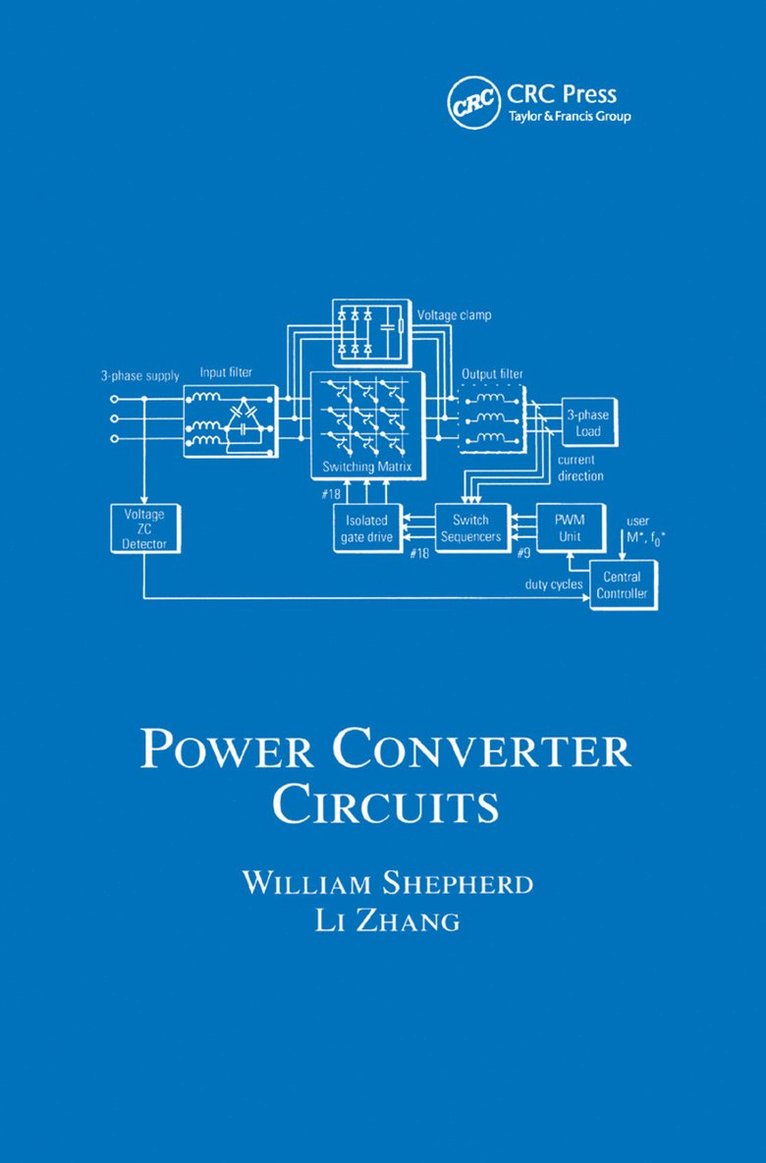






Mer från samma författare
Recent Progress in Medical Miniature Robots
Li Zhang, Philip Wai Yan Chiu, Kai Fung Chan
Häftad, 2024
2 239 kr
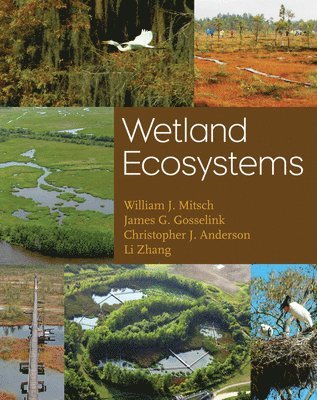
Wetland Ecosystems
William J. Mitsch, James G. Gosselink, Li Zhang, Christopher J. Anderson
Inbunden, 2009
1 469 kr
Hoppa över listan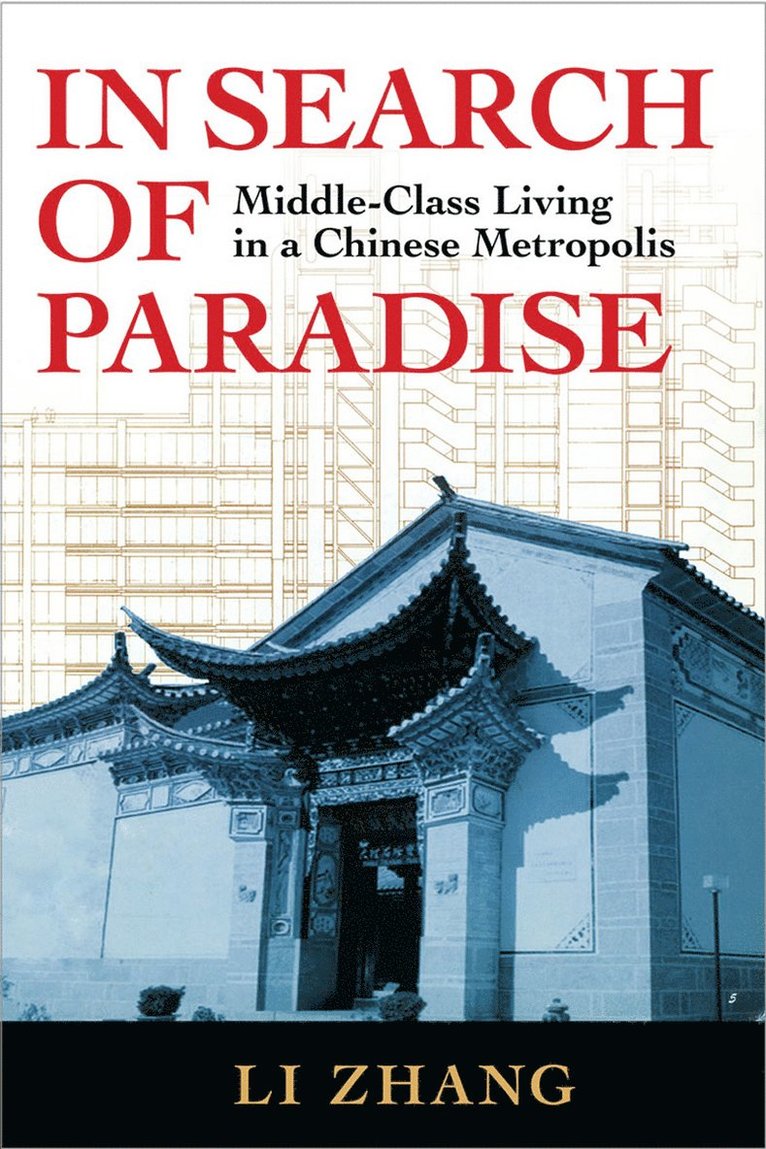








Du kanske också är intresserad av
- Nyhet
Del 3
- Nyhet
Del 11
- Nyhet
Del 4
- Nyhet
Del 6
Del 1
Del 3
Del 2
Del 7
- Nyhet
Del 1