
Del 11
Del i serien Canadian Literature Collection
In Ballast to the White Sea
Häftad, Engelska, 2014
599 kr
Beställningsvara. Skickas inom 5-8 vardagar. Fri frakt för medlemmar vid köp för minst 249 kr.
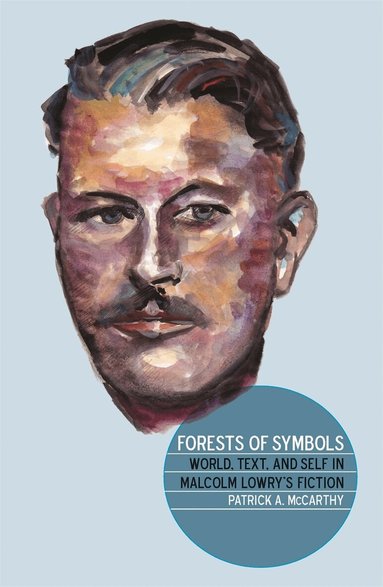
In Ballast to the White Sea is Malcolm Lowry's most ambitious work of the mid-1930s. Inspired by his life experience, the novel recounts the story of a Cambridge undergraduate who aspires to be a writer but has come to believe that both his book and, in a sense, his life have already been "written." After a fire broke out in Lowry's squatter's shack, all that remained of In Ballast to the White Sea were a few sheets of paper. Only decades after Lowry's death did it become known that his first wife, Jan Gabrial, still had a typescript. This scholarly edition presents, for the first time, the once-lost novel. Patrick McCarthy's critical introduction offers insight into Lowry's sense of himself while Chris Ackerley's extensive annotations provide important information about Lowry's life and art in an edition that will captivate readers and scholars alike.
Produktinformation
- Utgivningsdatum2014-09-30
- Mått140 x 203 x 29 mm
- Vikt602 g
- FormatHäftad
- SpråkEngelska
- SerieCanadian Literature Collection
- Antal sidor516
- FörlagUniversity of Ottawa Press
- ISBN9780776622088
Tillhör följande kategorier
Hoppa över listan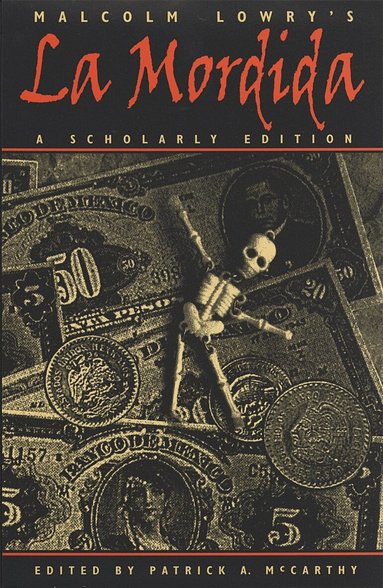



Du kanske också är intresserad av
Characterization of UAV Performance and Development of a Formation Flight Controller for Multiple Small UAVS
Patrick A McCarthy
Inbunden, 2025
479 kr
Characterization of Uav Performance and Development of a Formation Flight Controller for Multiple Small Uavs
Patrick A McCarthy
Häftad, 2012
829 kr
Characterization of UAV Performance and Development of a Formation Flight Controller for Multiple Small UAVS
Patrick A McCarthy
Häftad, 2025
269 kr
Legacy of Olaf Stapledon
Charles Elkins, Martin Greenberg, Patrick Mccarthy, Patrick A. McCarthy, Charles Elkins, Patrick A. Mccarthy, Martin Harry Greenberg
Inbunden, 1989
1 289 kr