
Immunotherapies for Neurological Disorders
- Nyhet
Unlocking the Brain's Defenses
Häftad, Engelska, 2026
2 589 kr
Beställningsvara. Skickas inom 10-15 vardagar. Fri frakt för medlemmar vid köp för minst 249 kr.
Immunotherapies for Neurological Disorders: Unlocking the Brain's Defenses explores the complex intersection of both the immune and nervous systems and neurological disorders. This comprehensive guide details the vital role of immunology in understanding conditions from Alzheimer's and Parkinson's to autoimmune diseases like multiple sclerosis and Guillain-Barr� syndrome. Each chapter reviews strategies, including the use of antibodies, recombinant proteins, and cutting-edge vaccine approaches to modulate immune responses in the brain. Readers will be presented with the therapeutic potential of immune cells, gene therapy, and RNA interference in combating these debilitating disorders, while also examining the role of nanotechnology in enhancing treatment efficacy.
Aimed at neurologists, immunologists, researchers, and students alike, this book serves as an essential resource for the latest advancements in neurological disease treatment.
Aimed at neurologists, immunologists, researchers, and students alike, this book serves as an essential resource for the latest advancements in neurological disease treatment.
- Examines innovative treatment strategies, including antibodies, recombinant proteins, and vaccines
- Reviews the therapeutic potential of immune cells, gene therapy, and RNA interference in addressing various neurological conditions
- Highlights the latest advancements in immunology relevant to neurodegenerative and autoimmune diseases
Produktinformation
- Utgivningsdatum2026-09-04
- Mått191 x 235 x undefined mm
- Vikt450 g
- FormatHäftad
- SpråkEngelska
- Antal sidor360
- FörlagElsevier Science
- ISBN9780443446313
Tillhör följande kategorier
Hoppa över listan




Du kanske också är intresserad av
Del 10
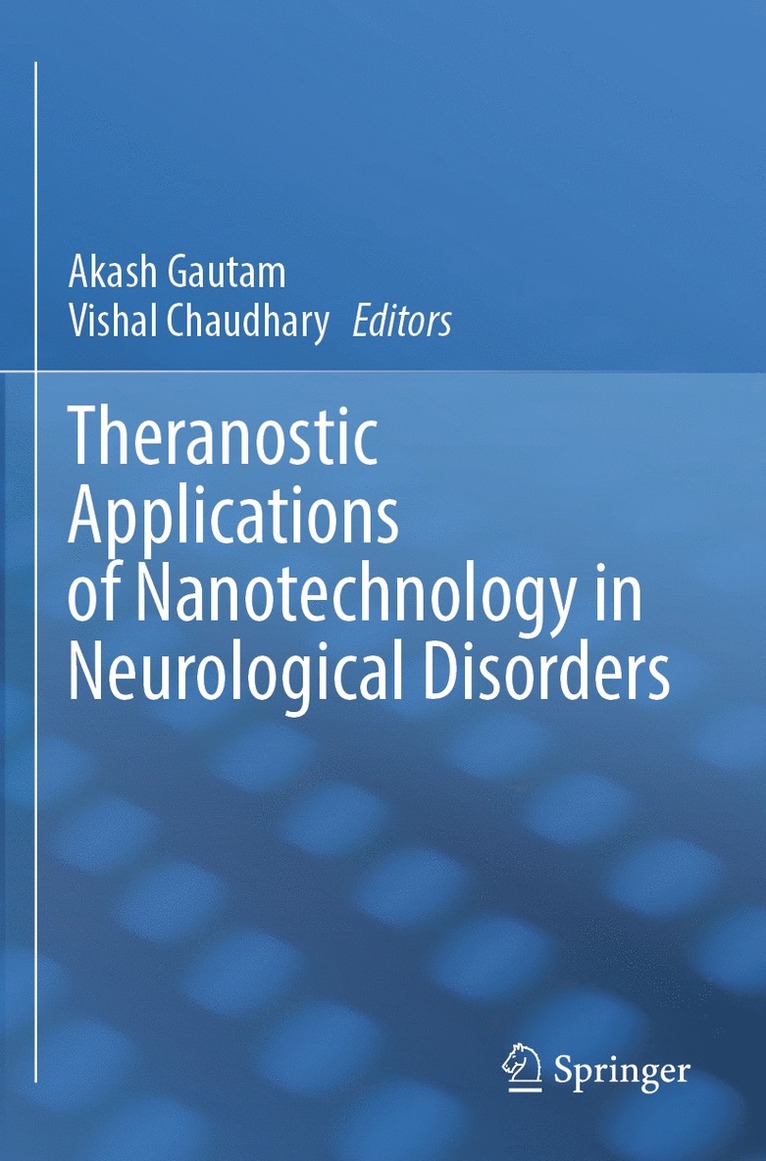
Theranostic Applications of Nanotechnology in Neurological Disorders
Akash Gautam, Vishal Chaudhary
Inbunden, 2024
2 209 kr
Theranostic Applications of Nanotechnology in Neurological Disorders
Akash Gautam, Vishal Chaudhary
Häftad, 2025
2 149 kr
- Nyhet
Del 3
- Nyhet
Del 11
- Nyhet
Domino : Dåren, domaren och den välkammade mannen från pirayaministeriet
Håkan Nesser
Inbunden, 2026
289 kr329 kr
- Nyhet
Del 6