
Identity, Hybridity and Cultural Home
Chinese Migrants and Diaspora in Multicultural Societies
Häftad, Engelska, 2015
809 kr
Beställningsvara. Skickas inom 10-15 vardagar. Fri frakt för medlemmar vid köp för minst 249 kr.
Finns i fler format (1)
The Chinese have been one of the oldest and largest ethnic communities across the world with well over 35 million people living overseas. Despite their relatively large cultural distance from the host countries, and the ordeals faced by generations of Chinese immigrants due to stereotypes, prejudice, and racism, many have adjusted remarkably well economically and socially in their new country. But how do generations of Chinese immigrants reconcile seemingly incompatible demands from home and host cultures to negotiate bicultural or multicultural identities?Identity, Hybridity and Cultural Home explores the multifaceted concept of cultural identity to uncover the meaning of cultural home for Chinese immigrants in multicultural environments. It questions the conventional notion of a stable and secure cultural identity, challenges the common conception of bilingualism and biculturalism, analyses hybrid identities, and identifies directions for future research on the critical issue of searching for a cultural home in a multicultural society.
Produktinformation
- Utgivningsdatum2015-06-09
- Mått149 x 230 x 16 mm
- Vikt331 g
- FormatHäftad
- SpråkEngelska
- Antal sidor214
- FörlagBloomsbury Publishing PLC
- ISBN9781783481255
Tillhör följande kategorier
Hoppa över listan

Mer från samma författare
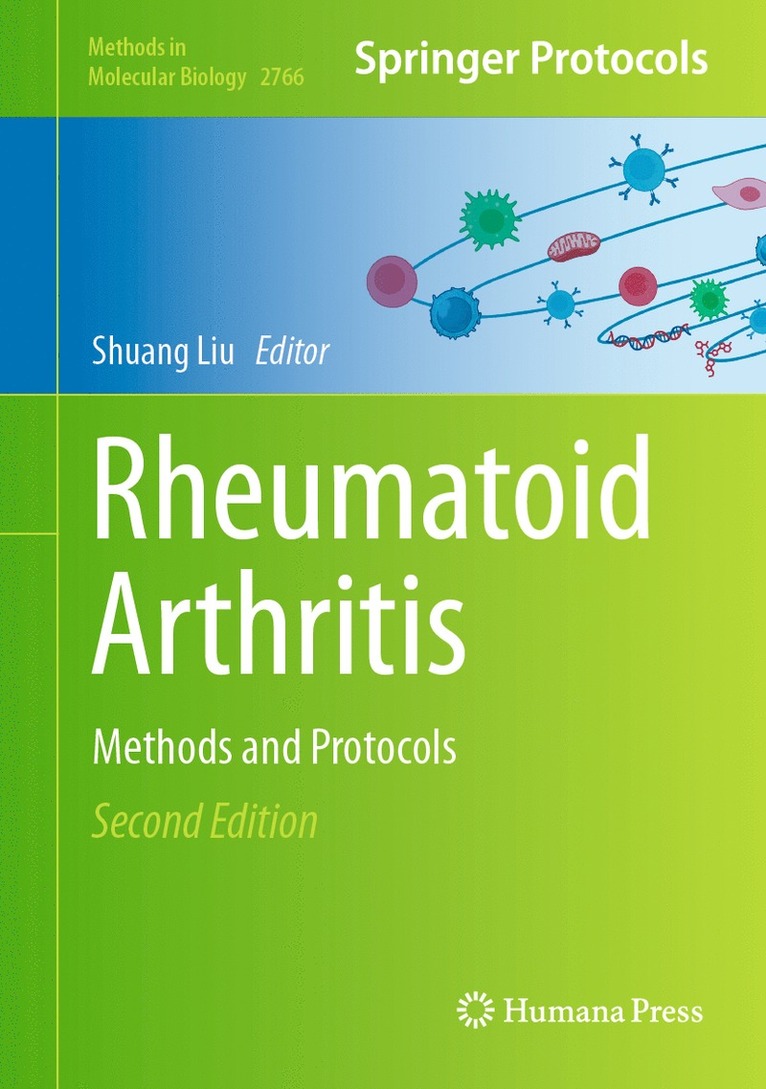
Del 2766
Del 2766
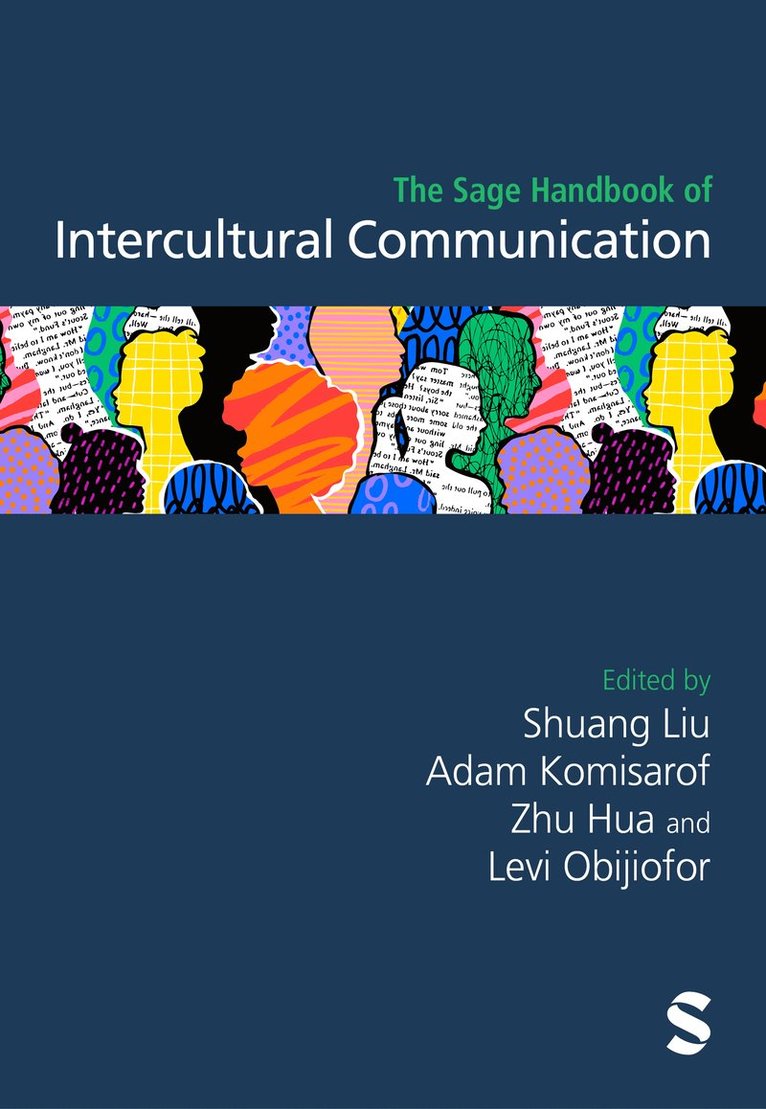
The Sage Handbook of Intercultural Communication
Shuang Liu, Adam Komisarof, Zhu Hua, Levi Obijiofor
Inbunden, 2025
2 279 kr
Hoppa över listan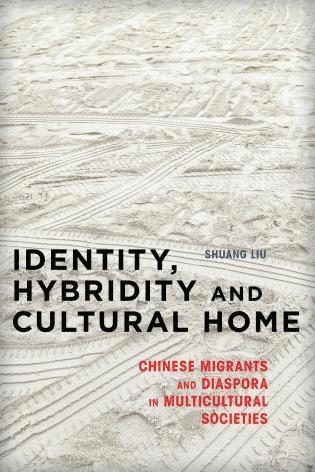
Du kanske också är intresserad av
The Sage Handbook of Intercultural Communication
Shuang Liu, Adam Komisarof, Zhu Hua, Levi Obijiofor
Inbunden, 2025
2 279 kr
Del 2766
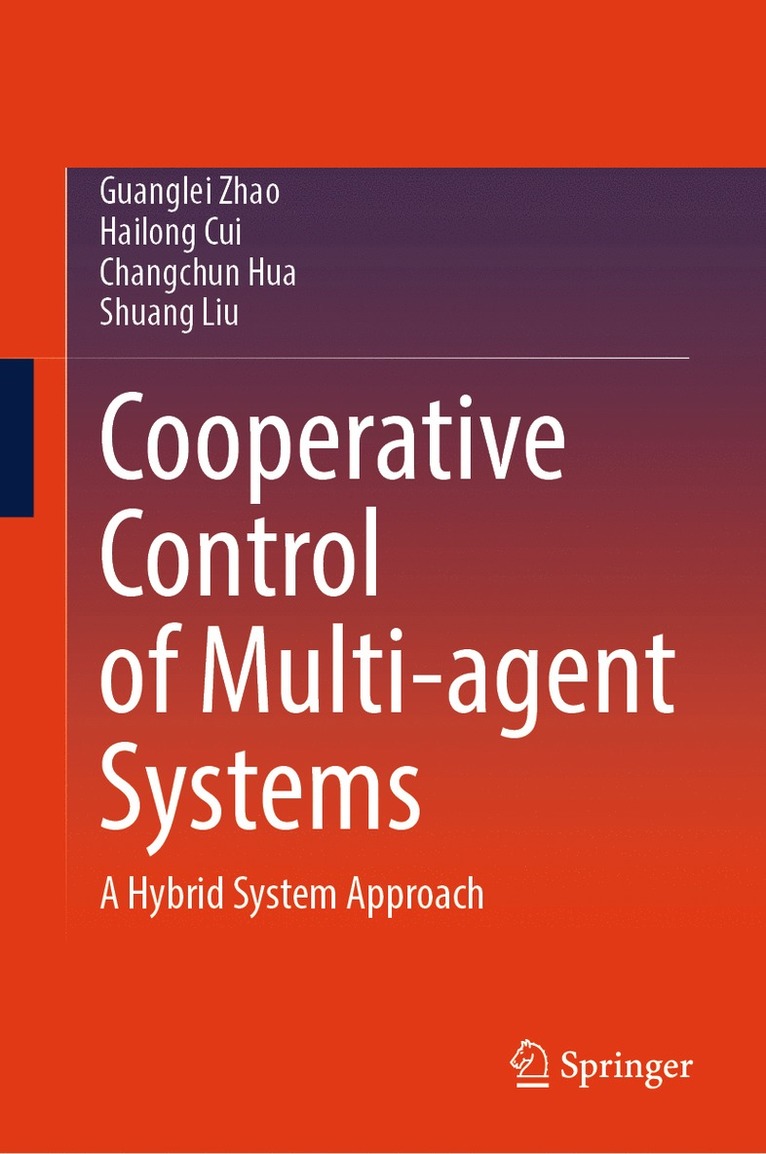
Cooperative Control of Multi-agent Systems
Guanglei Zhao, Hailong Cui, Changchun Hua, Shuang Liu
Inbunden, 2024
2 009 kr
Del 2766