A clear-eyed examination of why modern media lost public trust—and what it will take to earn it back. Social networks tore apart a media industry that had taken two hundred years to build, swapping broadsheets and broadcasts for algorithms and addiction feeds. Now what? The media is in chaos even though its fundamental job hasn’t changed. The demand is still there: people still crave great stories and robust reporting. And there’s no shortage of supply: there are more creators than ever. But the old models built to connect the supply and demand no longer work. As a young journalist, Hamish McKenzie knew the ground he was stepping onto was already shaky, and that was even before he worked for and then tangled with Elon Musk. When he teamed up with Chris Best and Jairaj Sethi to found Substack, he believed that new infrastructure and new business models could usher in an era where independent voices have power and audiences have a say. In How to Save the Media, we get to ride along, witness to an industry in metamorphosis. We’re there at the Hotel Chelsea, barside with whiskey-drinking legends of newsrooms past. We’re there at Cannes Lions, where sweating ad executives on luxury yachts are busy divvying up the very revenue that once kept newsrooms alive.And we’re there as pioneers of the new creator economy wrestle with the promises and pitfalls of what they’ve built.
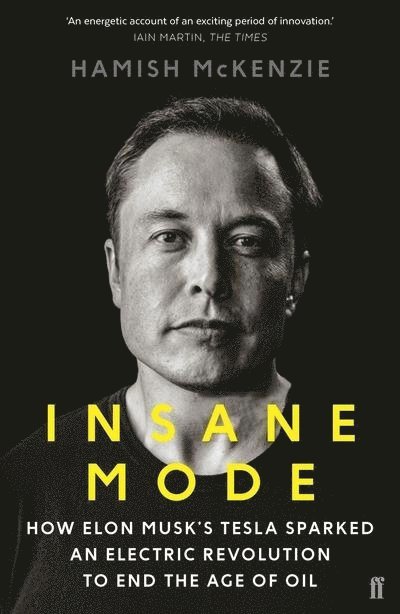
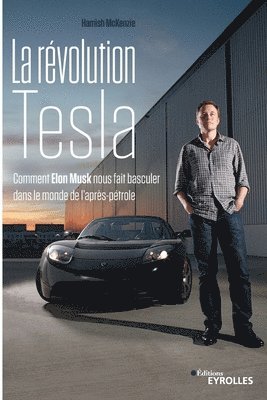
Hamish McKenzie is a writer, journalist, and media entrepreneur, and the cofounder of Substack. He is the author of Insane Mode, a critically acclaimed book on Tesla and the electric-car revolution, and previously served as Tesla’s lead writer. Originally from New Zealand, he writes widely on technology, culture, and the future of media.
“You may pick this book up to try and understand, or even emulate, how someone starts a company that disrupts the very way we receive information, and that's all well and good, but you'll stay for the brilliant analysis of where we went wrong––online and off––in the discourse, and a genuinely hopeful approach to reintroducing transparency, authorial voice and––dare I say––honest media. We know that Hamish McKenzie has the vision, but he also has the voice.”
A clear-eyed examination of why modern media lost public trust—and what it will take to earn it back. Social networks tore apart a media industry that had taken two hundred years to build, swapping broadsheets and broadcasts for algorithms and addiction feeds. Now what? The media is in chaos even though its fundamental job hasn’t changed. The demand is still there: people still crave great stories and robust reporting. And there’s no shortage of supply: there are more creators than ever. But the old models built to connect the supply and demand no longer work. As a young journalist, Hamish McKenzie knew the ground he was stepping onto was already shaky, and that was even before he worked for and then tangled with Elon Musk. When he teamed up with Chris Best and Jairaj Sethi to found Substack, he believed that new infrastructure and new business models could usher in an era where independent voices have power and audiences have a say. In How to Save the Media, we get to ride along, witness to an industry in metamorphosis. We’re there at the Hotel Chelsea, barside with whiskey-drinking legends of newsrooms past. We’re there at Cannes Lions, where sweating ad executives on luxury yachts are busy divvying up the very revenue that once kept newsrooms alive.And we’re there as pioneers of the new creator economy wrestle with the promises and pitfalls of what they’ve built.
Hamish McKenzie is a writer, journalist, and media entrepreneur, and the cofounder of Substack. He is the author of Insane Mode, a critically acclaimed book on Tesla and the electric-car revolution, and previously served as Tesla’s lead writer. Originally from New Zealand, he writes widely on technology, culture, and the future of media.
“You may pick this book up to try and understand, or even emulate, how someone starts a company that disrupts the very way we receive information, and that's all well and good, but you'll stay for the brilliant analysis of where we went wrong––online and off––in the discourse, and a genuinely hopeful approach to reintroducing transparency, authorial voice and––dare I say––honest media. We know that Hamish McKenzie has the vision, but he also has the voice.”