
History of Fatigue
From the Middle Ages to the Present
Inbunden, Engelska, 2022
329 kr
Beställningsvara. Skickas inom 5-8 vardagar. Fri frakt för medlemmar vid köp för minst 249 kr.
"Stress," "burn out," "mental overload": the twentieth and twenty-first centuries have witnessed an unrelenting expansion of the meaning of fatigue. The tentacles of exhaustion insinuated themselves into every aspect of our lives, from the workplace to the home, from our relationships with friends and family to the most intimate aspects of our lives. All around us are the signs of a "burn-out society," a society in which fatigue has become the norm. How did this happen?This pioneering book explores the rich and little-known history of fatigue from the Middle Ages to the present. Vigarello shows that our understanding of fatigue, the words used to describe it, and the symptoms and explanations of it have varied greatly over time, reflecting changing social mores and broader aspects of social and political life. He argues that the increased autonomy of people in Western societies (whether genuine or assumed), the positing of a more individualized self, and the ever expanding ideal of independence and freedom have constantly made it more difficult for us to withstand anything that constrains or limits us. This painful contradiction causes weariness as well as dissatisfaction. Fatigue spreads and becomes stronger, imperceptibly permeating everything, seeping into ordinary moments and unexpected places.Ranging from the history of war, religion and work to the history of the body, the senses and intimacy, this history of fatigue shows how something that seems permanently centered in our bodies has, over the course of centuries, also been ingrained in our minds, in the end affecting the innermost aspects of the self.
Produktinformation
- Utgivningsdatum2022-10-28
- Mått155 x 218 x 56 mm
- Vikt794 g
- FormatInbunden
- SpråkEngelska
- Antal sidor424
- FörlagPolity Press
- ISBN9781509549252
- ÖversättareNancy Erber
Tillhör följande kategorier
Hoppa över listan



Du kanske också är intresserad av
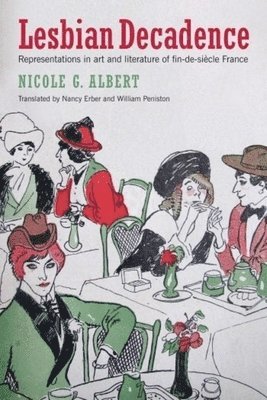
Lesbian Decadence – Representations in Art and Literature of Fin–de–Sièclè France
Nicole Albert, Nancy Erber, William Peniston
Inbunden, 2016
1 079 kr