
Del i serien Historical Dictionaries of Peoples and Cultures
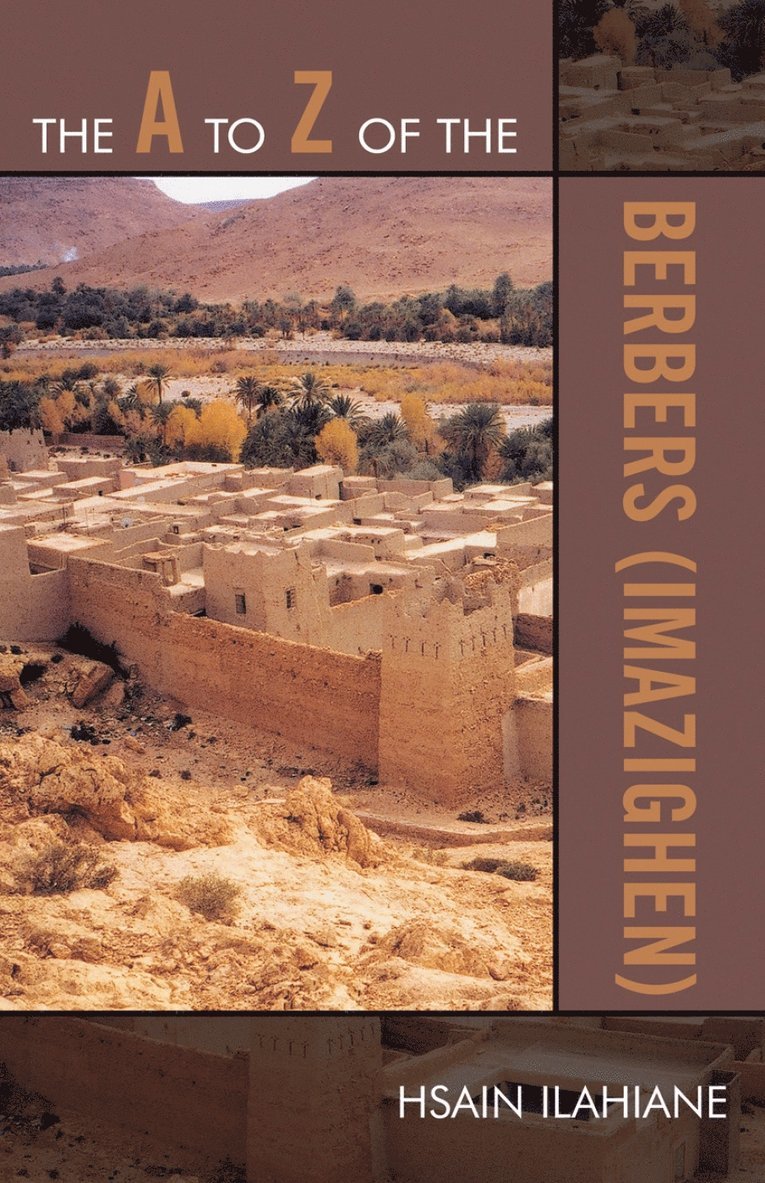
Historical Dictionary of the Berbers (Imazighen)
Inbunden, Engelska, 2017
2 049 kr
Beställningsvara. Skickas inom 10-15 vardagar. Fri frakt för medlemmar vid köp för minst 249 kr.
Berbers, also known as Imazighen, are the ancient inhabitants of North Africa, but rarely have they formed an actual kingdom or separate nation state. Ranging anywhere between 15-50 million, depending on how they are classified, the Berbers have influenced the culture and religion of Roman North Africa and played key roles in the spread of Islam and its culture in North Africa, Spain, and Sub-Saharan Africa. Taken together, these dynamics have over time converted to redefine the field of Berber identity and its socio-political representations and symbols, making it an even more important issue in the 21st century.This second edition of Historical Dictionary of the Berbers contains a chronology, an introduction, appendixes, and an extensive bibliography. The dictionary section has over 200 cross-referenced entries on important personalities, places, events, institutions, and aspects of culture, society, economy, and politics. This book is an excellent resource for students, researchers, and anyone wanting to know more about the Berbers.
Produktinformation
- Utgivningsdatum2017-03-27
- Mått158 x 240 x 41 mm
- Vikt898 g
- FormatInbunden
- SpråkEngelska
- SerieHistorical Dictionaries of Peoples and Cultures
- Antal sidor488
- Upplaga2
- FörlagBloomsbury Publishing Plc
- ISBN9781442281813
Tillhör följande kategorier
Hoppa över listan

Mer från samma serie
Del 10
Del 9
Del 11
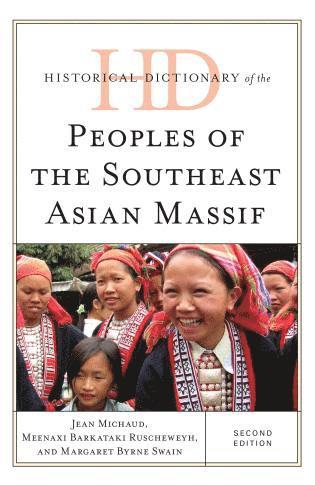
Historical Dictionary of the Peoples of the Southeast Asian Massif
Jean Michaud, Margaret Byrne Swain, Meenaxi Barkataki-Ruscheweyh
Inbunden, 2016
2 799 kr
Hoppa över listan

Du kanske också är intresserad av
Del 63
- Nyhet
Del 3
Del 10
Del 9
Historical Dictionary of the Peoples of the Southeast Asian Massif
Jean Michaud, Margaret Byrne Swain, Meenaxi Barkataki-Ruscheweyh
Inbunden, 2016
2 799 kr