
Heaven Looks Like Us
- Nyhet
Palestinian Poetry
Inbunden, Engelska, 2026
859 kr
Beställningsvara. Skickas inom 5-8 vardagar. Fri frakt för medlemmar vid köp för minst 249 kr.
A love letter to Palestinian ancestors, their descendants, and their land, to all anti-colonial and anti-imperialist struggles, to a history that will never be forgotten, and to a future in which there thrives a free, free Palestine.Poetry has always served as a mode of resistance in Palestinian culture. In defiance of dispossession and decades of military siege, of a nakba that never ended, of historical and cultural obfuscation, of unrelenting violence and thousands of martyred people, the “power to narrate,” as Edward Said wrote, remains a necessary tool for self-determination. The poems collected here reclaim that power, bridging borders, languages, and generations to forge new conversations around resistance and liberation.HEAVEN LOOKS LIKE US is a battle-cry against the annihilation of a people. As Palestinian history remains haunted by exile, violence, and grief, so, too, are the poems in this anthology. And yet, editors George Abraham and Noor Hindi present these realities alongside other themes that are also true: queer and feminist perspectives, eco-poetry, meditations on love and time, and lineages of protest. This anthology dares to imagine a future beyond a nation-state for Palestinian people everywhere. Contributors include Refaat Alareer, Mahmoud Darwish, Naomi Shihab Nye, Mohammed El-Kurd, A.D. Lauren-Abunassar, Lena Khalaf Tuffaha, Hala Alyan, Fady Joudah, and Heba Abu Nada, and many other voices, both established and ascending.
Produktinformation
- Utgivningsdatum2026-08-18
- Mått152 x 228 x 21 mm
- Vikt653 g
- FormatInbunden
- SpråkEngelska
- Antal sidor368
- FörlagHaymarket Books
- ISBN9798888904244
Tillhör följande kategorier
Hoppa över listan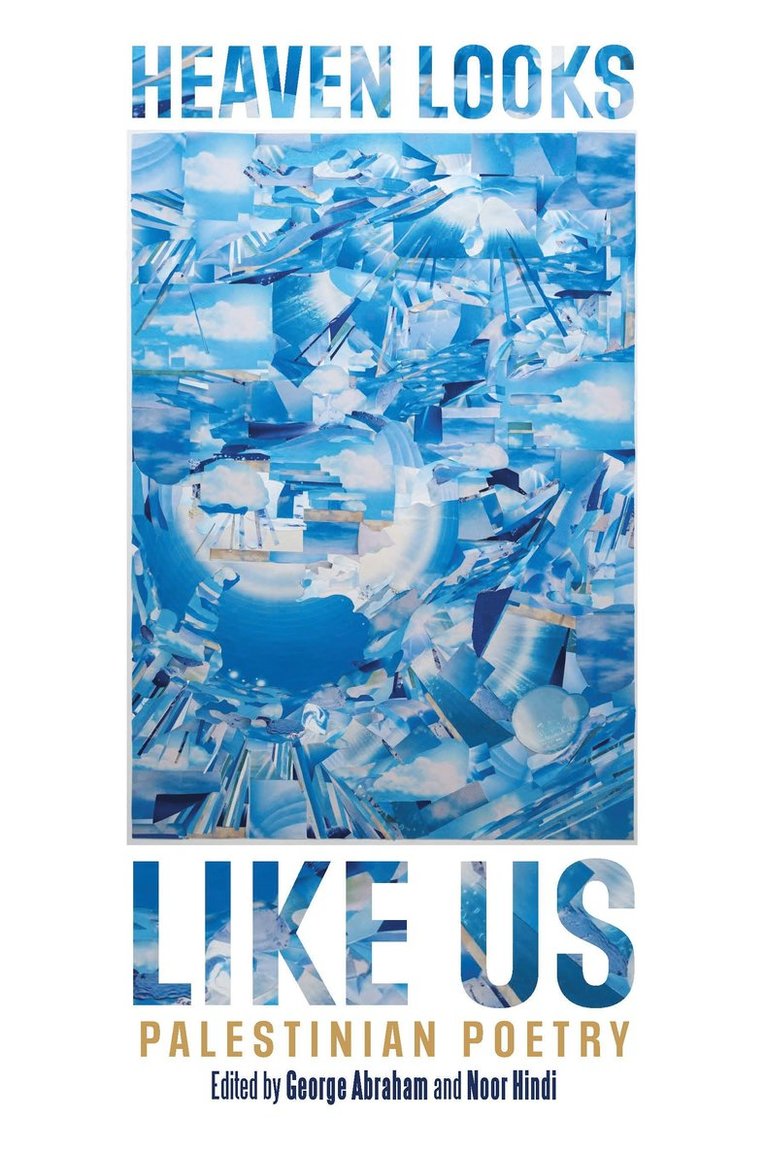




Du kanske också är intresserad av
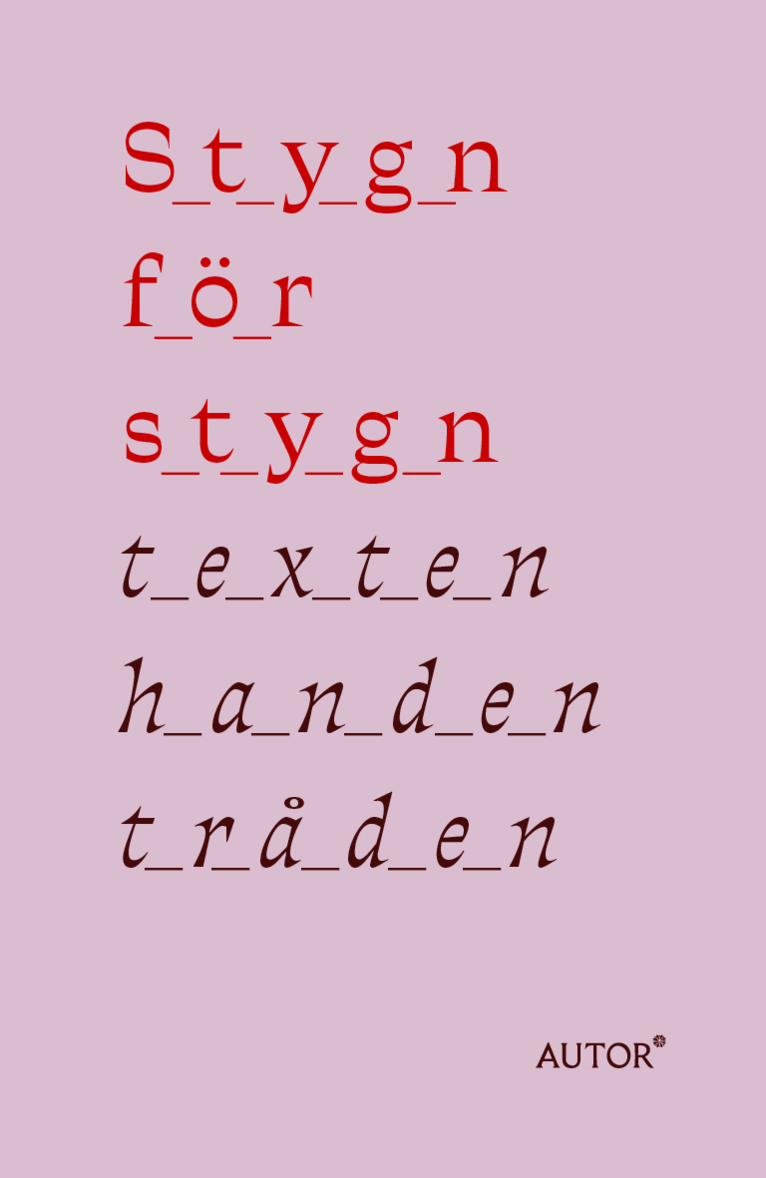
Stygn för stygn
Katarina Pirak Sikku, Leila Inanna Sultan, Frej Haar, Matti Ollikainen, Anna Nygren, Fargo Nissim Tbakhi, Noor Hindi, Marie Hållander, Emma Botin, Linnea Garli, Pontus Paulin Hugo, Viola Jernström, Cecilia Rådegran, Micke Brittah
Häftad, 2025
259 kr