
An Uncanny History of the Shakespearean Text
Häftad, Engelska, 2016
569 kr
Beställningsvara. Skickas inom 5-8 vardagar. Fri frakt för medlemmar vid köp för minst 249 kr.
In 1823, Sir Henry Bunbury discovered a badly bound volume of twelve Shakespeare plays in a closet of his manor house. Nearly all of the plays were first editions, but one stood out as extraordinary: a previously unknown text of Hamlet that predated all other versions. Suddenly, the world had to grapple with a radically new-or rather, old-Hamlet in which the characters, plot, and poetry of Shakespeare's most famous play were profoundly and strangely transformed.Q1, as the text is known, has been declared a rough draft, a shorthand piracy, a memorial reconstruction, and a pre-Shakespearean "ur-Hamlet," among other things. Flickering between two historical moments-its publication in Shakespeare's early seventeenth century and its rediscovery in Bunbury's early nineteenth-Q1 is both the first and last Hamlet. Because this text became widely known only after the familiar version of the play had reached the pinnacle of English literature, its reception has entirely depended on this uncanny temporal oscillation; so too has its ongoing influence on twentieth- and twenty-first-century ideas of the play.Zachary Lesser examines how the improbable discovery of Q1 has forced readers to reconsider accepted truths about Shakespeare as an author and about the nature of Shakespeare's texts. In telling the story of this mysterious quarto and tracing the debates in newspapers, London theaters, and scholarly journals that followed its discovery, Lesser offers brilliant new insights on what we think we mean when we talk about Hamlet.
Produktinformation
- Utgivningsdatum2016-01-05
- Mått152 x 229 x 25 mm
- Vikt470 g
- FormatHäftad
- SpråkEngelska
- SerieMaterial TextsMaterial TextsMaterial TextsMaterial TextsMaterial TextsPublished in Cooperation with the Folger Shakespeare Library
- Antal sidor304
- FörlagUniversity of Pennsylvania Press
- ISBN9780812223569
- UtmärkelserWinner of Rice University Elizabeth Dietz Memorial Award 2016
Tillhör följande kategorier
Hoppa över listan

Mer från samma författare
Book in Britain
Daniel Allington, David A. Brewer, Stephen Colclough, Sian Echard, Zachary Lesser
Inbunden, 2019
2 709 kr
King Richard III
William Shakespeare, Peter Holland, Zachary Lesser, Tiffany Stern
Inbunden, 2026
1 799 kr
Titus Andronicus
William Shakespeare, Peter Holland, Zachary Lesser, Tiffany Stern
Inbunden, 2026
1 879 kr
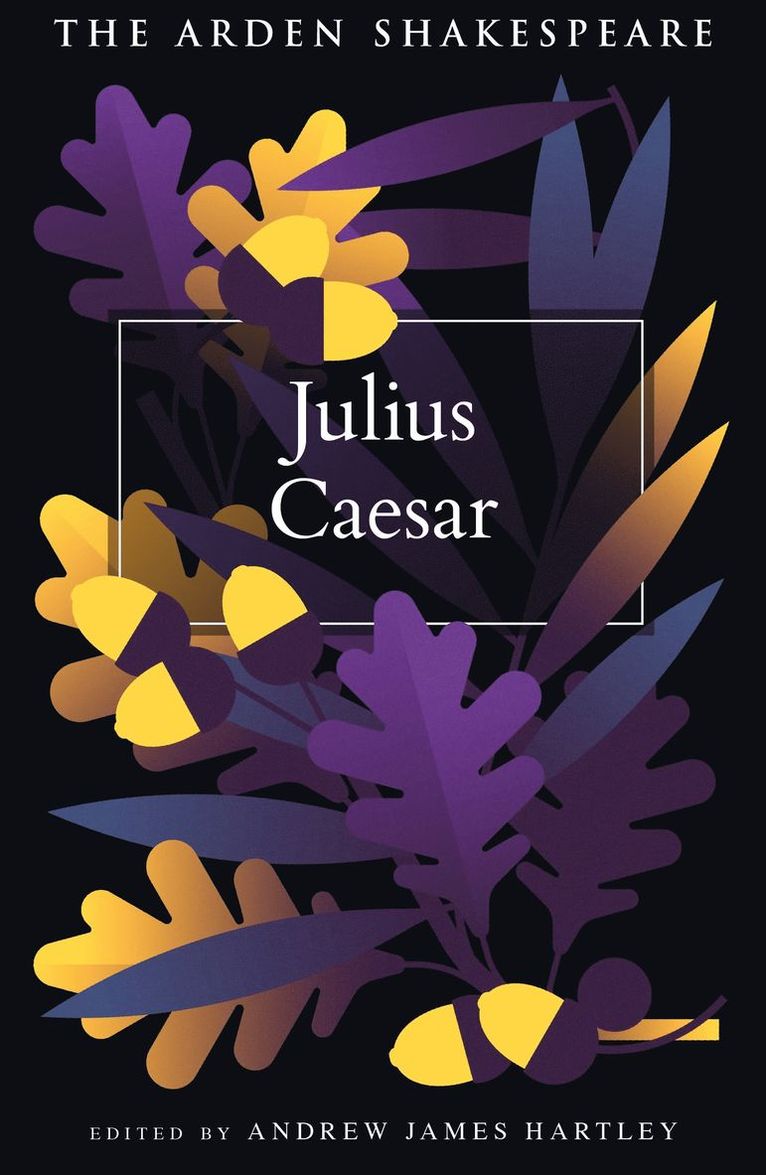
Julius Caesar
William Shakespeare, Peter Holland, Zachary Lesser, Tiffany Stern
Inbunden, 2026
1 879 kr
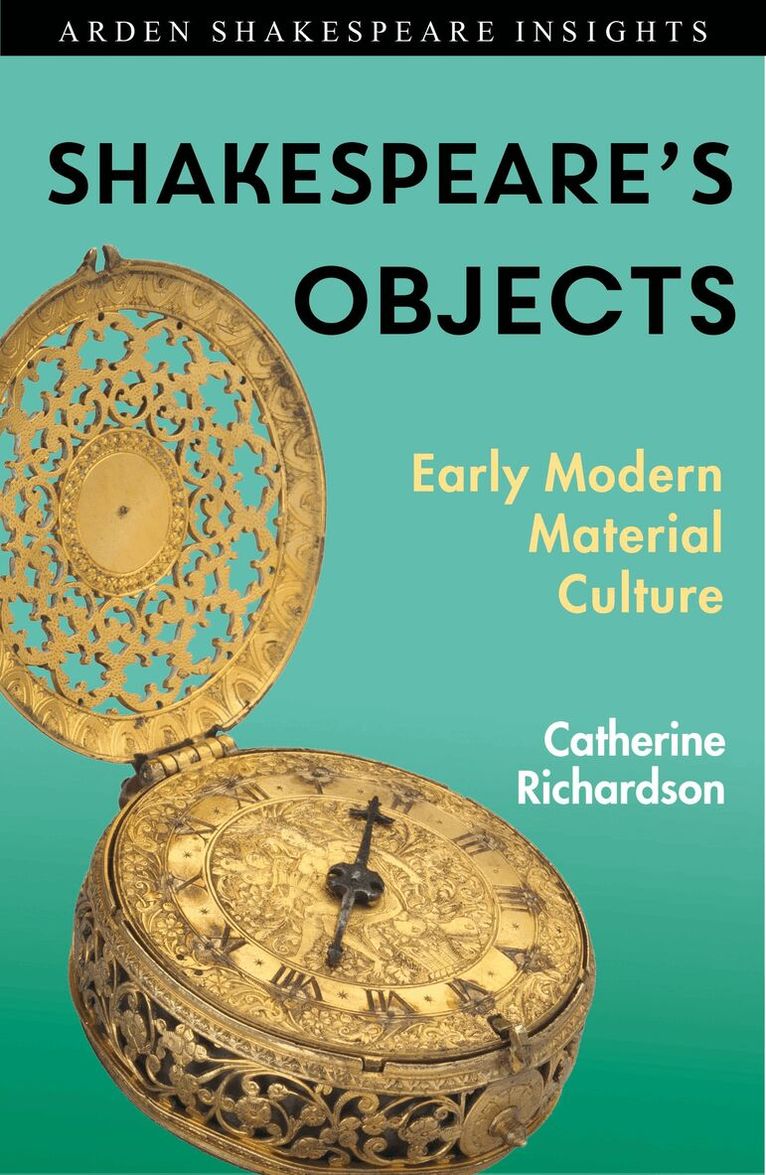
Shakespeare's Objects
Catherine Richardson, Peter Holland, Zachary Lesser, Tiffany Stern
Häftad, 2026
369 kr
Hoppa över listan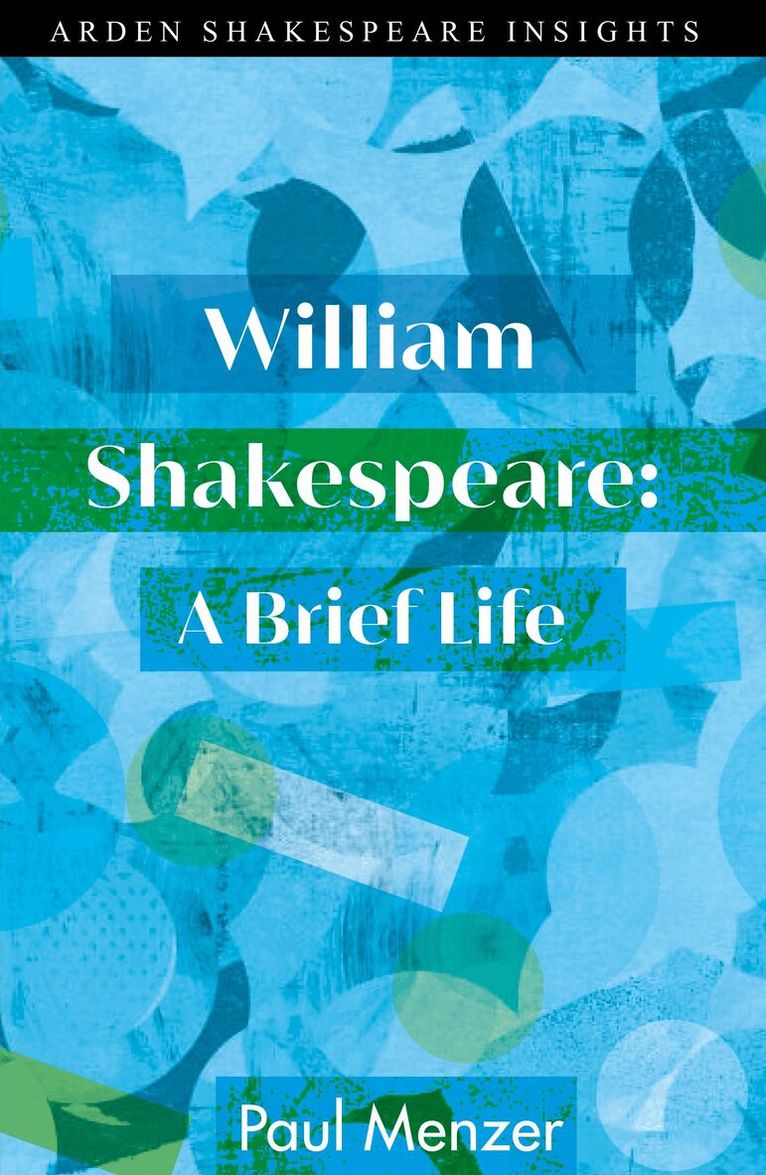
Du kanske också är intresserad av
Book in Britain
Daniel Allington, David A. Brewer, Stephen Colclough, Sian Echard, Zachary Lesser
Inbunden, 2019
2 709 kr
William Shakespeare: A Brief Life
Paul Menzer, Peter Holland, Zachary Lesser, Tiffany Stern
Häftad, 2023
319 kr
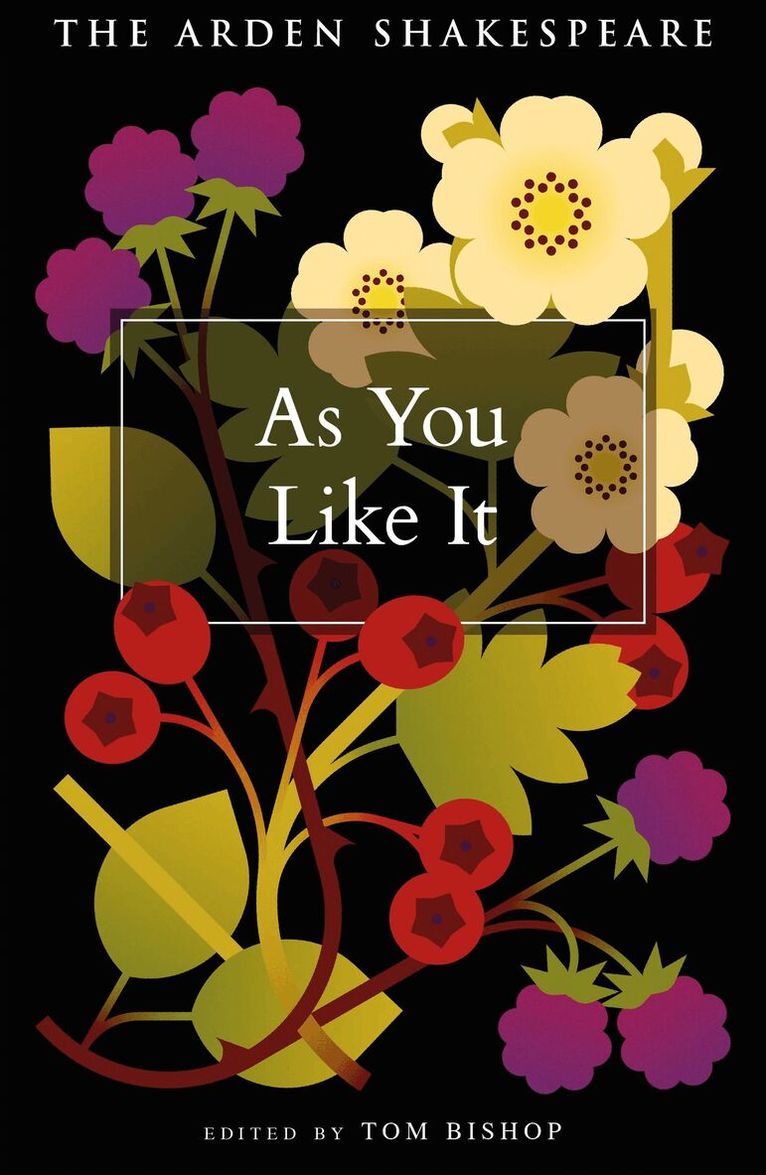
As You Like It
William Shakespeare, Peter Holland, Zachary Lesser, Tiffany Stern
Inbunden, 2026
1 599 kr
Shakespeare's Objects
Catherine Richardson, Peter Holland, Zachary Lesser, Tiffany Stern
Häftad, 2026
369 kr
Shakespeare's Objects
Catherine Richardson, Peter Holland, Zachary Lesser, Tiffany Stern
Inbunden, 2026
1 719 kr
Titus Andronicus
William Shakespeare, Peter Holland, Zachary Lesser, Tiffany Stern
Inbunden, 2026
1 879 kr