
Del 2
Del i serien TEAMS Varia
Guy of Saint-Denis, Tractatus de tonis
Häftad, Engelska, 2017
359 kr
Beställningsvara. Skickas inom 5-8 vardagar. Fri frakt för medlemmar vid köp för minst 249 kr.
Finns i fler format (1)
The Tractatus de tonis of Guy of Saint-Denis (written ca. 1300-10)differs from other treatises on plainchant in the depth of its analysis of thevarious tones into which chant was traditionally classified. The treatise ofGuy of Saint-Denis is preserved as the concluding item in an anthology of textsabout plainchant that Guy compiled (now London, British Library, MS Harley281), beginning with some writings of Guido of Arezzo and a Cistercian tonary,but also including the Ars musice ofJohannes de Grocheio and the Tractatus detonis of Petrus de Cruce. Guy's treatise presents itself as a syntheticoverview of both the theory and practice of plainchant in a way that combinesthe very practical reflection of Guido of Arezzo with ideas of more Aristoteleianinspired theorists such as Johannes de Grocheio and Peter of Auvergne.
Produktinformation
- Utgivningsdatum2017-04-27
- Mått156 x 234 x 23 mm
- Vikt539 g
- FormatHäftad
- SpråkEngelska, Latin
- SerieTEAMS Varia
- Antal sidor342
- FörlagMedieval Institute Publications
- ISBN9781580442541
- ÖversättareConstant J. Mews
Tillhör följande kategorier
Hoppa över listan


Mer från samma författare
Seven Seals of the Apocalypse
Medieval Institute Publications, Francis X. Gumerlock
Häftad, 2009
279 kr
Del 4
Del 5
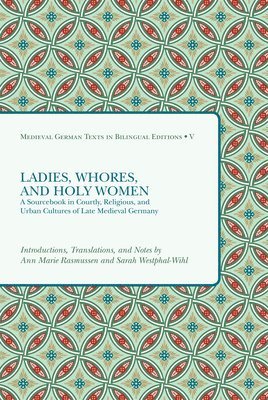
Ladies, Whores, and Holy Women
Medieval Institute Publications, Ann Marie Rasmussen
Häftad, 2010
329 kr
Complete Harley 2253 Manuscript, Volume 2
Medieval Institute Publications, Susanna Fein
Häftad, 2014
689 kr
Complete Harley 2253 Manuscript, Volume 3
Medieval Institute Publications, David Raybin
Häftad, 2015
689 kr
Hoppa över listan


Mer från samma serie
Anthony Munday, "The Honourable, Pleasant, and Rare Conceited Historie of Palmendos"
Leticia Álvarez-Recio
Häftad, 2022
529 kr
Anthony Munday: The Honourable, Pleasant and Rare Conceited Historie of Palmendos
Leticia Álvarez-Recio
Inbunden, 2022
1 469 kr
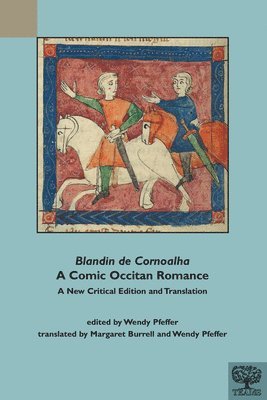
"Blandin de Cornoalha", A Comic Occitan Romance
Medieval Institute Publications, Wendy Pfeffer
Häftad, 2022
589 kr
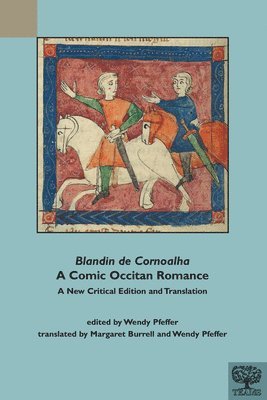
Blandin de Cornoalha: A Comic Occitan Romance
Medieval Institute Publications, Wendy Pfeffer
Inbunden, 2022
1 559 kr
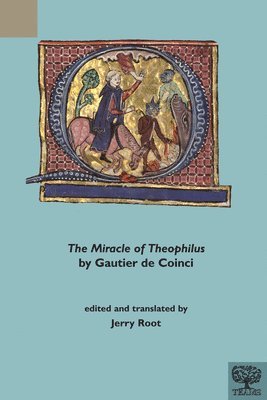
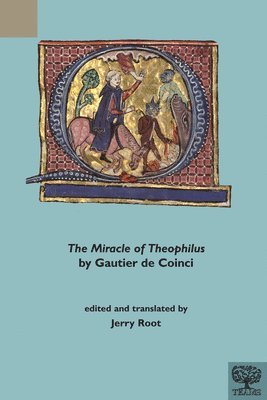
Miracle of Theophilus by Gautier de Coinci
Medieval Institute Publications, Jerry Root
Häftad, 2022
829 kr
Hoppa över listan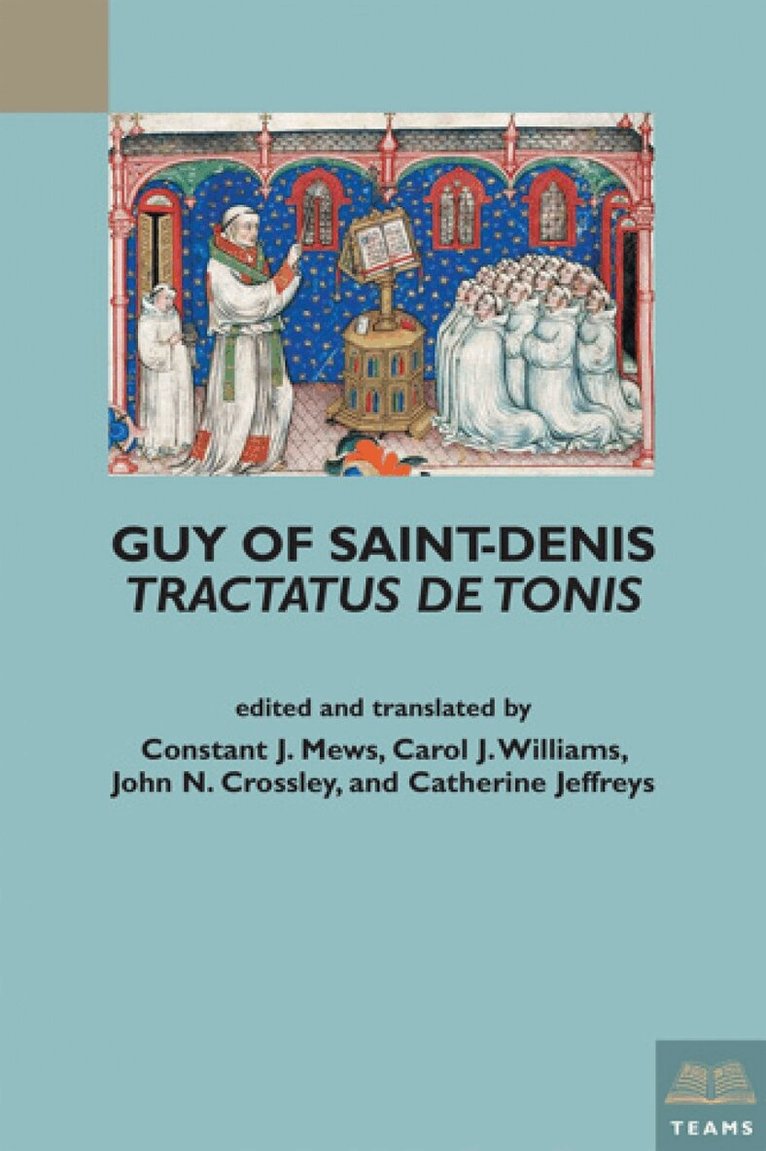

Du kanske också är intresserad av
Guy of Saint-Denis, Tractatus de tonis
Medieval Institute Publications, John N. Crossley
Inbunden, 2017
939 kr
Blandin de Cornoalha: A Comic Occitan Romance
Medieval Institute Publications, Wendy Pfeffer
Inbunden, 2022
1 559 kr
Anthony Munday: The Honourable, Pleasant and Rare Conceited Historie of Palmendos
Leticia Álvarez-Recio
Inbunden, 2022
1 469 kr
Miracle of Theophilus by Gautier de Coinci
Medieval Institute Publications, Jerry Root
Inbunden, 2022
1 999 kr
"Blandin de Cornoalha", A Comic Occitan Romance
Medieval Institute Publications, Wendy Pfeffer
Häftad, 2022
589 kr