
Del 9 i serien Heritage and Memory Studies
Guardians of Living History
An Ethnography of Post-Soviet Memory Making in Estonia
Inbunden, Engelska, 2020
2 809 kr
Beställningsvara. Skickas inom 10-15 vardagar. Fri frakt för medlemmar vid köp för minst 249 kr.
Finns i fler format (1)
This book interrogates how people engage with their violent past, both within their families and as members of a national community, when living in an extremely complicated society with a short history of independence and a desire to belong to Europe.
Produktinformation
- Utgivningsdatum2020-01-07
- Mått156 x 234 x 28 mm
- Vikt706 g
- FormatInbunden
- SpråkEngelska
- SerieHeritage and Memory Studies
- Antal sidor368
- Upplaga0
- FörlagAmsterdam University Press
- ISBN9789462989023
Tillhör följande kategorier
Hoppa över listan

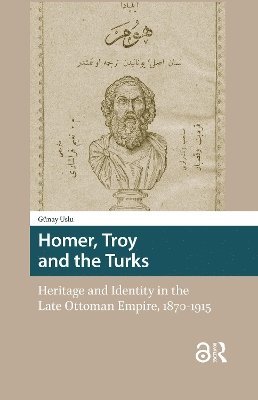
Mer från samma serie
Archaeological Approaches to and Heritage Perspectives on Modern Conflict
Max van der Schriek
Häftad, 2025
929 kr
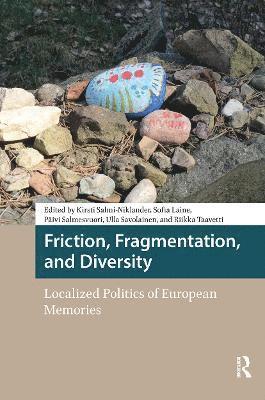
Friction, Fragmentation, and Diversity
Kirsti Salmi-Niklander, Sofia Laine, Päivi Salmesvuori, Ulla Savolainen, Riikka Taavetti
Häftad, 2025
929 kr
Hoppa över listan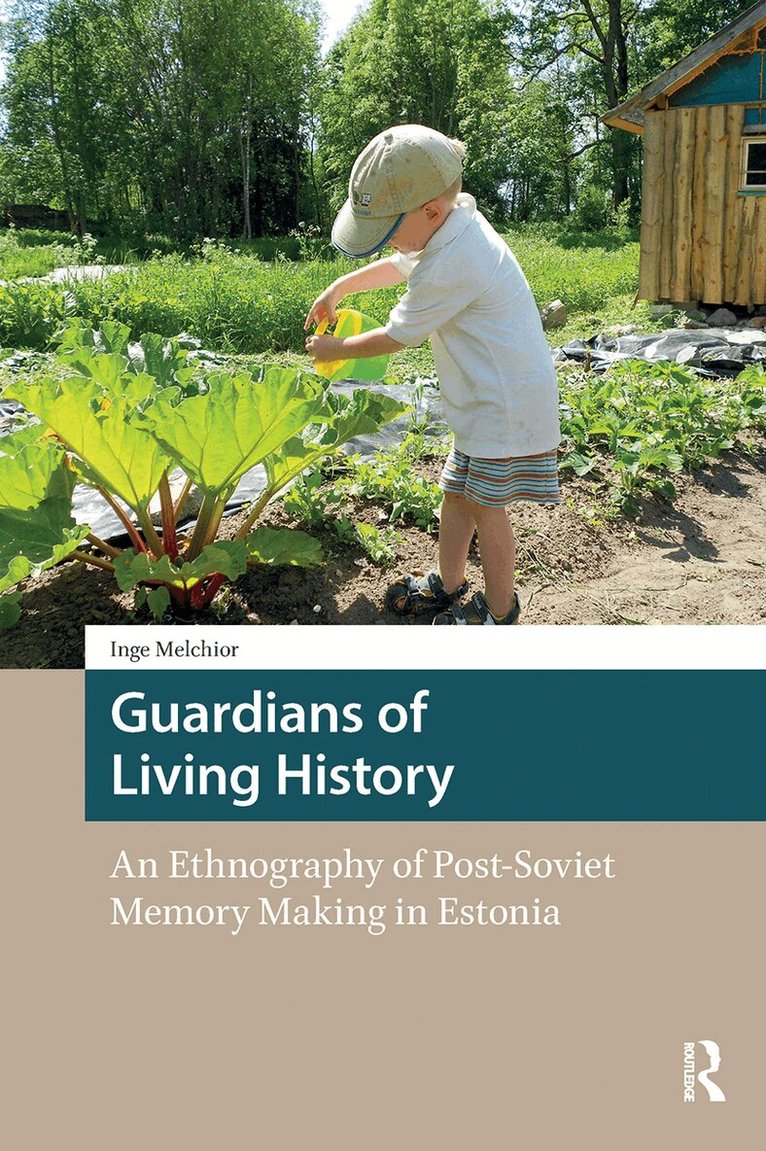


Du kanske också är intresserad av
Del 26
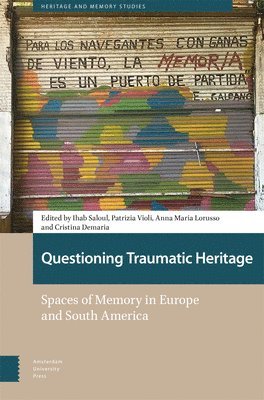
Questioning Traumatic Heritage
Ihab Saloul, Patrizia Violi, Anna Lorusso, Cristina Demaria
Inbunden, 2024
2 809 kr
Del 21
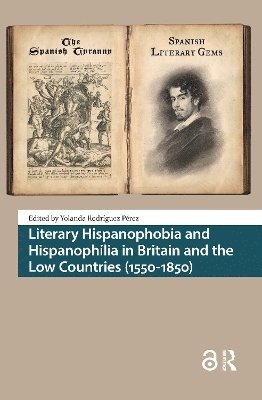
Literary Hispanophobia and Hispanophilia in Britain and the Low Countries (1550-1850)
Yolanda Rodríguez Pérez
Häftad, 2025
1 309 kr