
Glass in Roman Britain
Häftad, Engelska, 2027
229 kr
Kommande
Glass is a wonderful material: malleable, durable, beautiful and recyclable. It was first manufactured from sand and soda two millennia before the Romans came to Britain, in areas of the Mediterranean where the raw ingredients were readily available. Coloured to produce a veritable rainbow of hues, it was used for inlays, jewellery and simple vessels. The revolutionary discovery that glass could be blown occurred later, as the Roman Empire was rapidly expanding. The invasion of Britain came at a time when glass vessels were being produced in great variety and number, arriving here as personal possessions and trade items. Some survive complete, others are represented only as fragments, which are nevertheless recognisable glimpses of great works of art, employing many decorative techniques. Glass was used extensively for containers, fine tableware and in buildings, the first glass windows appearing in Britain soon after the invasion.With a wealth of fascinating images, Denise Allen explores what is known about the Roman glass industry in relation to Britain, revealing where glass was made, how it was traded and how much it was recycled.
Produktinformation
- Utgivningsdatum2027-08-15
- Mått165 x 234 x undefined mm
- FormatHäftad
- SpråkEngelska
- Antal sidor96
- FörlagAmberley Publishing
- ISBN9781398131484
Tillhör följande kategorier
Hoppa över listan



Mer från samma författare
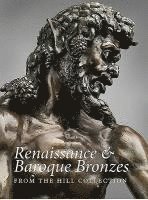
Renaissance and Baroque Bronzes from the Hill Collection
Denise Allen, Claudia Kryza-Gersch, Patricia Wengraf, Dimitrios Zikos
Inbunden, 2014
1 029 kr
Hoppa över listan






Du kanske också är intresserad av
Career Journey
USA) Nagel, Jan (Otis College of Art and Design, Los Angeles, California
Häftad, 2027
699 kr
Renaissance and Baroque Bronzes from the Hill Collection
Denise Allen, Claudia Kryza-Gersch, Patricia Wengraf, Dimitrios Zikos
Inbunden, 2014
1 029 kr