
Gandhi and Rajchandra
The Making of the Mahatma
Häftad, Engelska, 2021
659 kr
Beställningsvara. Skickas inom 10-15 vardagar. Fri frakt för medlemmar vid köp för minst 249 kr.
Finns i fler format (1)
Mahatma Gandhi, one of the greatest influencers in the world, was himself influenced by trailblazing thinkers and writers like Tolstoy, Ruskin, Thoreau, and others—each one contributing significantly to his moral and spiritual development. Yet only a few people know the most consequential person to have played a pivotal role in the making of the Mahatma: Shrimad Rajchandra. About the unparalleled influence of this person, Gandhi himself wrote: “I have met many a religious leader or teacher… and I must say that no one else ever made on me the impression that Raychandbhai did.” Uma Majmudar, digging deep into the original Gujarati writings of both Gandhi and Rajchandra, explores this important relationship and unfolds the unique impact of Rajchandra’s teachings and contributions upon Gandhi. The volume examines the contents and significance of their intimate spiritual discussions, letters, questions and answers. In this book, Dr. Majmudar brings to the forefront the scarcely known but critically important facts of how Rajchandra “molded Gandhi’s inner self, his character, his life, thoughts and actions.” This Jain zaveri (jeweller)-cum-spiritual seeker became Gandhi’s most trusted friend, as well as an exemplary mentor and “refuge in spiritual crisis.”
Produktinformation
- Utgivningsdatum2021-12-20
- Mått153 x 231 x 12 mm
- Vikt231 g
- FormatHäftad
- SpråkEngelska
- SerieExplorations in Indic Traditions: Theological, Ethical, and Philosophical
- Antal sidor132
- FörlagBloomsbury Publishing Plc
- ISBN9781793612014
Tillhör följande kategorier
Hoppa över listan





Mer från samma serie
Thinking with the Yoga Sutra of Patañjali
Christopher Key Chapple, Ana Laura Funes Maderey
Inbunden, 2019
1 549 kr
Hoppa över listan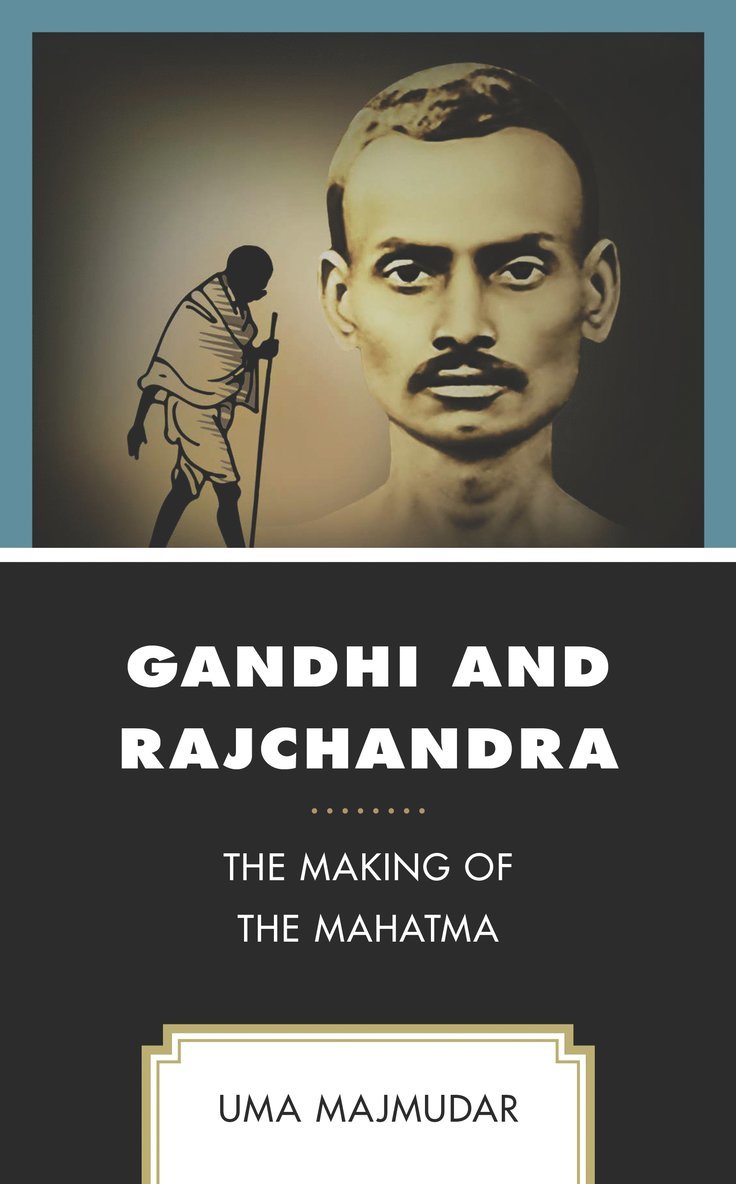





Du kanske också är intresserad av
Indian and Western Philosophical Concepts in Religion
Pankaj Jain, Jeffery D. Long
Inbunden, 2023
1 369 kr
- Nyhet
Del 3