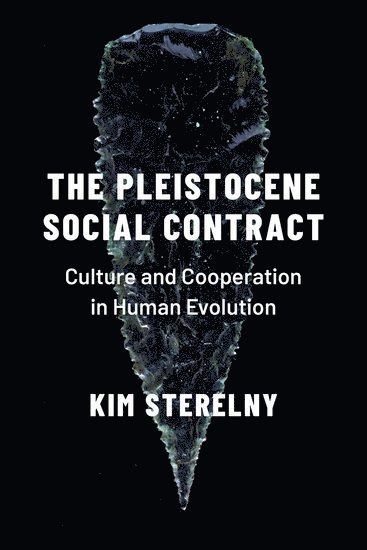
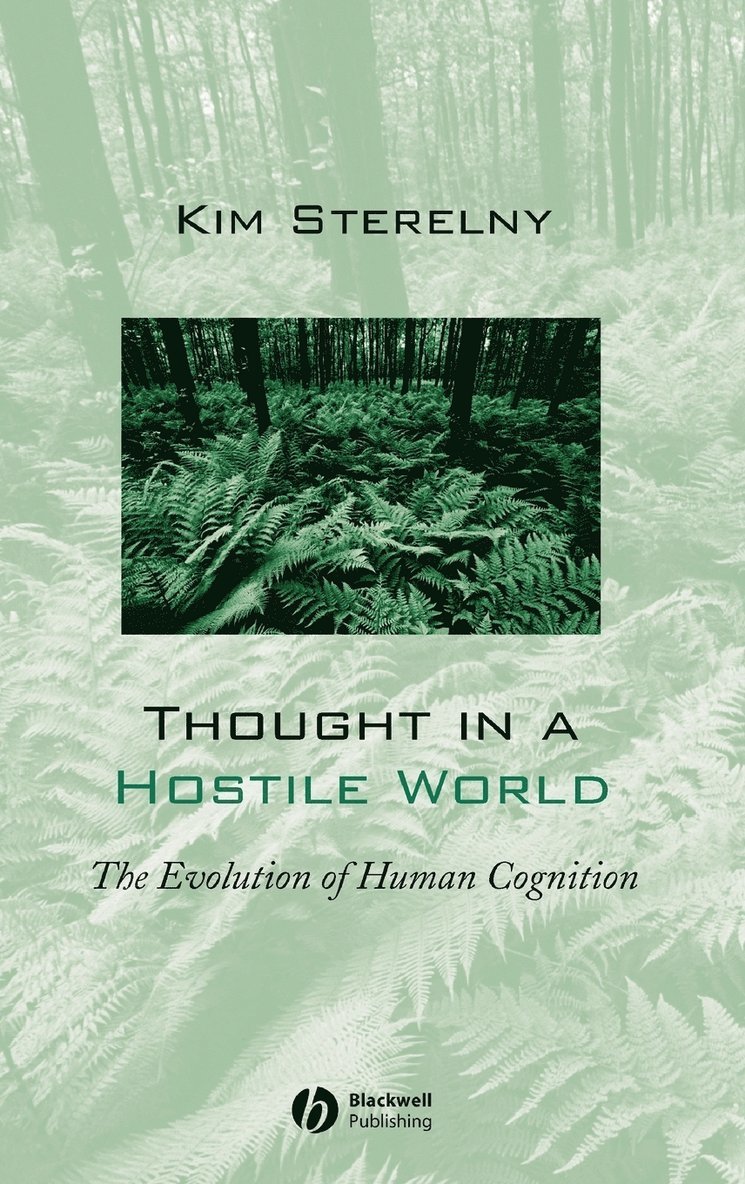
It is widely agreed that the human evolutionary story is puzzling. As both individuals and in groups, we contrast with all other large animals in our numbers, geographical spread, ecological impact, dependence on technology, and cooperation. This contrast evolved very rapidly^—^in just a few million years. Most theories of this transition identify a key innovation: a crucial adaptive change that powered the human revolution.This book develops and presents an alternative account of this transformation. Our ancestors' lifeways became dependent on high value resources. Such resources require some combination of technology, cooperation, knowledge, and skill if they are to be harvested reliability. Initially small differences in abilities to cooperate, learn socially, and use technology increased though positive feedback, allowing our ancestors to spread into new environments and new lands. By the emergence of our own species, or earlier, we had evolved the cognitive and social capacities to build information packages suitable to environments very different from our ancestral African homelands.
Kim Sterelny is an Australian philosopher, living and working in Australasia. He has always worked in the border zones of philosophy and the cognitive and historical sciences. For the last few decades, his central project has been on the evolution of human lifeways and of the capacities that make those possible.
Part I. The Project Chapter 1: Humans: Not Just Another Unique Species Chapter 2: The Challenge of the Historical Sciences Part II. The Human Co-Evolutionary Dynamic Chapter 3: From Rugged Individualism to Commitment to Cooperation Chapter 4: The Evolution of an Informational Commons Part III. Constructing the Human Niche Chapter 5: Making a Living: Scavenging, Hunting, and the Decline of Dominance Chapter 6: Social Scale: Life in Open Worlds Chapter 7: Regulating Social Interactions: Norms and Their Importance Chapter 8: The Road to Language Part IV. Upshot Chapter 9: The House That Darwin Built
It is widely agreed that the human evolutionary story is puzzling. As both individuals and in groups, we contrast with all other large animals in our numbers, geographical spread, ecological impact, dependence on technology, and cooperation. This contrast evolved very rapidly^—^in just a few million years. Most theories of this transition identify a key innovation: a crucial adaptive change that powered the human revolution.This book develops and presents an alternative account of this transformation. Our ancestors' lifeways became dependent on high value resources. Such resources require some combination of technology, cooperation, knowledge, and skill if they are to be harvested reliability. Initially small differences in abilities to cooperate, learn socially, and use technology increased though positive feedback, allowing our ancestors to spread into new environments and new lands. By the emergence of our own species, or earlier, we had evolved the cognitive and social capacities to build information packages suitable to environments very different from our ancestral African homelands.
Kim Sterelny is an Australian philosopher, living and working in Australasia. He has always worked in the border zones of philosophy and the cognitive and historical sciences. For the last few decades, his central project has been on the evolution of human lifeways and of the capacities that make those possible.
Part I. The Project Chapter 1: Humans: Not Just Another Unique Species Chapter 2: The Challenge of the Historical Sciences Part II. The Human Co-Evolutionary Dynamic Chapter 3: From Rugged Individualism to Commitment to Cooperation Chapter 4: The Evolution of an Informational Commons Part III. Constructing the Human Niche Chapter 5: Making a Living: Scavenging, Hunting, and the Decline of Dominance Chapter 6: Social Scale: Life in Open Worlds Chapter 7: Regulating Social Interactions: Norms and Their Importance Chapter 8: The Road to Language Part IV. Upshot Chapter 9: The House That Darwin Built
It is widely agreed that the human evolutionary story is puzzling. As both individuals and in groups, we contrast with all other large animals in our numbers, geographical spread, ecological impact, dependence on technology, and cooperation. This contrast evolved very rapidly^—^in just a few million years. Most theories of this transition identify a key innovation: a crucial adaptive change that powered the human revolution.This book develops and presents an alternative account of this transformation. Our ancestors' lifeways became dependent on high value resources. Such resources require some combination of technology, cooperation, knowledge, and skill if they are to be harvested reliability. Initially small differences in abilities to cooperate, learn socially, and use technology increased though positive feedback, allowing our ancestors to spread into new environments and new lands. By the emergence of our own species, or earlier, we had evolved the cognitive and social capacities to build information packages suitable to environments very different from our ancestral African homelands.
Kim Sterelny is an Australian philosopher, living and working in Australasia. He has always worked in the border zones of philosophy and the cognitive and historical sciences. For the last few decades, his central project has been on the evolution of human lifeways and of the capacities that make those possible.
Part I. The Project Chapter 1: Humans: Not Just Another Unique Species Chapter 2: The Challenge of the Historical Sciences Part II. The Human Co-Evolutionary Dynamic Chapter 3: From Rugged Individualism to Commitment to Cooperation Chapter 4: The Evolution of an Informational Commons Part III. Constructing the Human Niche Chapter 5: Making a Living: Scavenging, Hunting, and the Decline of Dominance Chapter 6: Social Scale: Life in Open Worlds Chapter 7: Regulating Social Interactions: Norms and Their Importance Chapter 8: The Road to Language Part IV. Upshot Chapter 9: The House That Darwin Built