
Ethnography and Language Policy
Häftad, Engelska, 2010
1 029 kr
Beställningsvara. Skickas inom 10-15 vardagar. Fri frakt för medlemmar vid köp för minst 249 kr.
Finns i fler format (1)
Illuminating, through ethnographic inquiry, how individual agents "make" language policy in everyday social practice, this volume advances the growing field of language planning and policy using a critical sociocultural approach. From this perspective, language policy is conceptualized not only as official acts and documents, but as language-regulating modes of human interaction, negotiation, and production mediated by relations of power. Using this conceptual framework, the volume addresses the impacts of globalization, diaspora, and transmigration on language practices and policies; language endangerment, revitalization, and maintenance; medium-of-instruction policies; literacy and biliteracy; language and ethnic/national identity; and the ethical tensions in conducting critical ethnographic language policy research. These issues are contextualized in case studies and reflective commentaries by leading scholars in the field. Ethnography and Language Policy extends previous work in the field, tapping into leading-edge interdisciplinary scholarship, and charting new directions. Recognizing that language policy is not merely or even primarily about language per se, but rather about power relations that structure social-linguistic hierarchies, the authors seek to expand policy discourses in ways that foster social justice for all.
Produktinformation
- Utgivningsdatum2010-12-13
- Mått152 x 229 x 18 mm
- Vikt610 g
- FormatHäftad
- SpråkEngelska
- Antal sidor326
- FörlagTaylor & Francis Ltd
- ISBN9780415801409
Tillhör följande kategorier
Hoppa över listan





Mer från samma författare
Indigenous Youth and Multilingualism
Leisy T. Wyman, Teresa L. McCarty, Sheilah E. Nicholas
Inbunden, 2013
3 199 kr
Indigenous Youth and Multilingualism
Leisy T. Wyman, Teresa L. McCarty, Sheilah E. Nicholas
Häftad, 2013
1 049 kr
Indigenous Language Revitalization in the Americas
Serafín M. Coronel-Molina, Teresa L. McCarty
Inbunden, 2016
3 909 kr
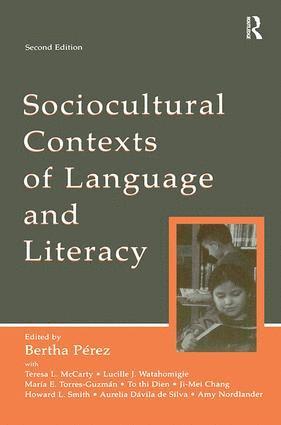
Sociocultural Contexts of Language and Literacy
Bertha Perez, Teresa L. McCarty, Lucille J. Watahomigie, Mar¡a E. Torres-Guzman, To thi Dien
Häftad, 2004
1 179 kr
Hoppa över listan


Du kanske också är intresserad av
Indigenous Youth and Multilingualism
Leisy T. Wyman, Teresa L. McCarty, Sheilah E. Nicholas
Inbunden, 2013
3 199 kr
Del 90
Del 17
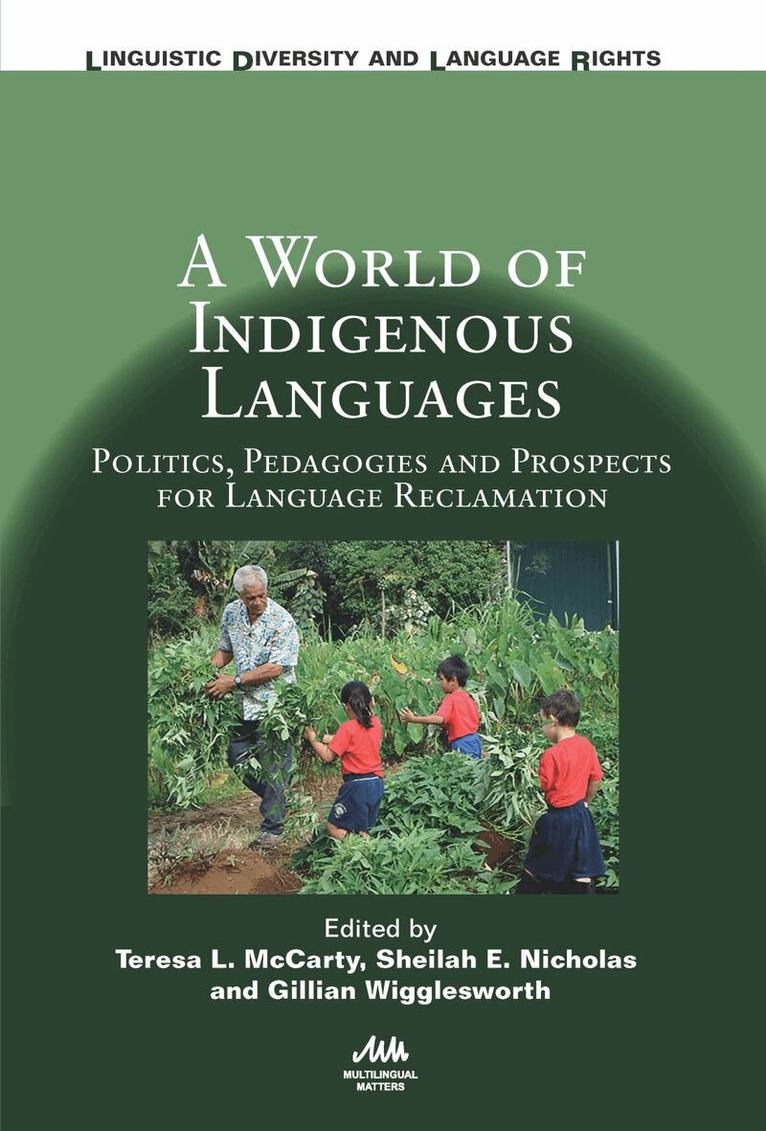
World of Indigenous Languages
Teresa L. McCarty, Sheilah E. Nicholas, Gillian Wigglesworth
Inbunden, 2019
2 129 kr
Sociocultural Contexts of Language and Literacy
Bertha Perez, Teresa L. McCarty, Lucille J. Watahomigie, Mar¡a E. Torres-Guzman, To thi Dien
Häftad, 2004
1 179 kr
Sociocultural Contexts of Language and Literacy
Bertha Perez, Teresa L. McCarty, Lucille J. Watahomigie, Mar¡a E. Torres-Guzman, To thi Dien
Inbunden, 2017
3 799 kr
Indigenous Language Revitalization in the Americas
Serafín M. Coronel-Molina, Teresa L. McCarty
Häftad, 2019
1 029 kr