
Envisioning Black Feminist Voodoo Aesthetics
African Spirituality in American Cinema
Häftad, Engelska, 2018
839 kr
Beställningsvara. Skickas inom 10-15 vardagar. Fri frakt för medlemmar vid köp för minst 249 kr.
In the twenty-first century, American popular culture increasingly makes visible the performance of African spirituality by black women. Disney’s Princess and the Frog and Pirates of the Caribbean franchise are two notable examples. The reliance on the black priestess of African-derived religion as an archetype, however, has a much longer history steeped in the colonial othering of Haitian Vodou and American imperialist fantasies about so-called ‘black magic’. Within this cinematic study, Martin unravels how religious autonomy impacts the identity, function, and perception of Africana women in the American popular imagination. Martin interrogates seventy-five years of American film representations of black women engaged in conjure, hoodoo, obeah, or Voodoo to discern what happens when race, gender, and African spirituality collide. She develops the framework of Voodoo aesthetics, or the inscription of African cosmologies on the black female body, as the theoretical lens through which to scrutinize black female religious performance in film. Martin places the genre of film in conversation with black feminist/womanist criticism, offering an interdisciplinary approach to film analysis. Positioning the black priestess as another iteration of Patricia Hill Collins’ notion of controlling images, Martin theorizes whether film functions as a safe space for a racial and gendered embodiment in the performance of African diasporic religion. Approaching the close reading of eight signature films from a black female spectatorship, Martin works chronologically to express the trajectory of the black priestess as cinematic motif over the last century of filmmaking. Conceptually, Martin recalibrates the scholarship on black women and representation by distinctly centering black women as ritual specialists and Black Atlantic spirituality on the silver screen.
Produktinformation
- Utgivningsdatum2018-11-06
- Mått151 x 219 x 19 mm
- Vikt390 g
- FormatHäftad
- SpråkEngelska
- SerieBlack Diasporic Worlds: Origins and Evolutions from New World Slaving
- Antal sidor256
- FörlagBloomsbury Publishing Plc
- ISBN9781498523301
- UtmärkelserCollege Language Association Award for Creative Scholarship
Tillhör följande kategorier
Hoppa över listan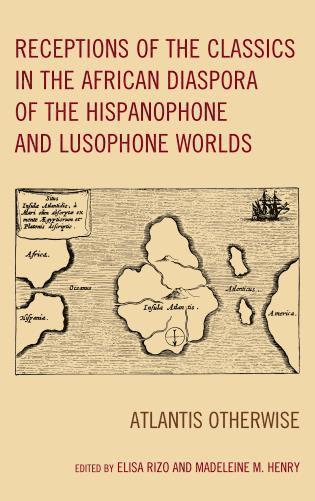




Mer från samma serie
Receptions of the Classics in the African Diaspora of the Hispanophone and Lusophone Worlds
Elisa Rizo, Madeleine M. Henry
Inbunden, 2016
1 569 kr
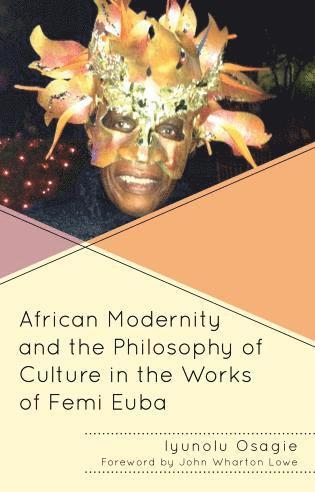
African Modernity and the Philosophy of Culture in the Works of Femi Euba
Iyunolu Osagie
Inbunden, 2017
1 879 kr
Afro-Asian Connections in Latin America and the Caribbean
Luisa Marcela Ossa, Debbie Lee-DiStefano
Inbunden, 2018
1 729 kr
Afro-Asian Connections in Latin America and the Caribbean
Luisa Marcela Ossa, Debbie Lee-DiStefano
Häftad, 2021
659 kr
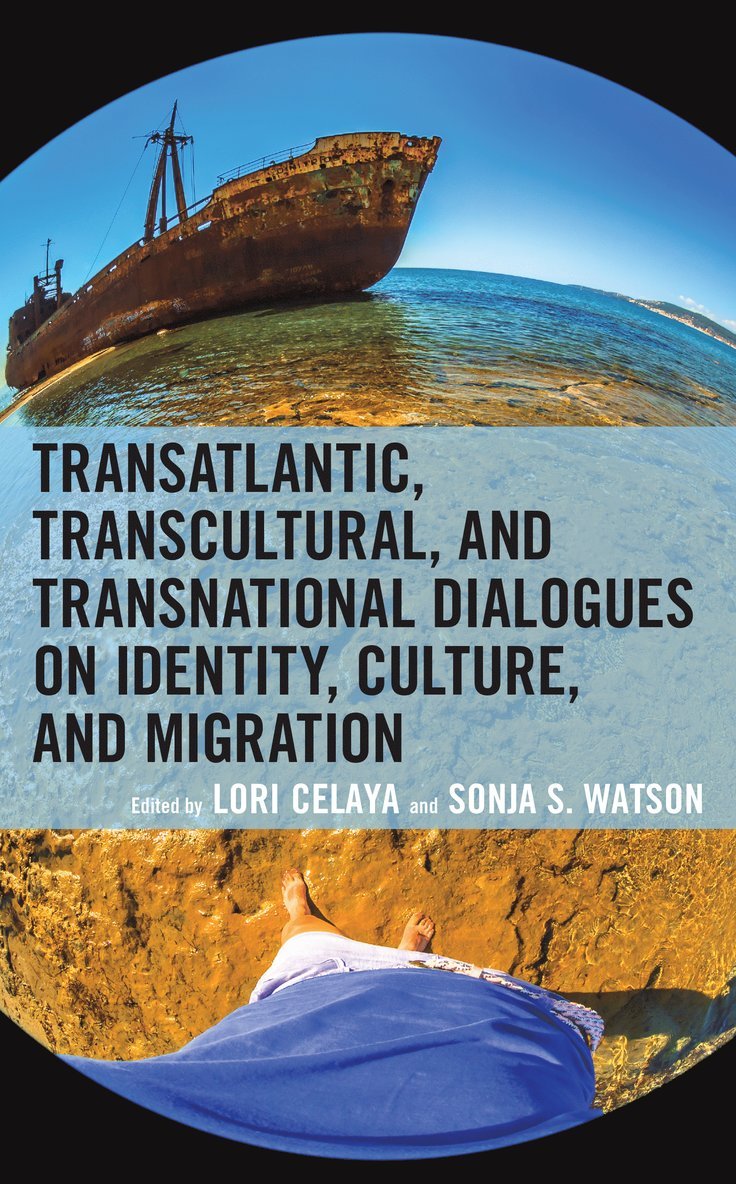
Transatlantic, Transcultural, and Transnational Dialogues on Identity, Culture, and Migration
Lori Celaya, Sonja Stephenson Watson
Inbunden, 2021
1 539 kr
Hoppa över listan




Du kanske också är intresserad av
Afro-Asian Connections in Latin America and the Caribbean
Luisa Marcela Ossa, Debbie Lee-DiStefano
Inbunden, 2018
1 729 kr
African Modernity and the Philosophy of Culture in the Works of Femi Euba
Iyunolu Osagie
Inbunden, 2017
1 879 kr
Receptions of the Classics in the African Diaspora of the Hispanophone and Lusophone Worlds
Elisa Rizo, Madeleine M. Henry
Inbunden, 2016
1 569 kr
- Nyhet
Del 3