
Del i serien Studies in Transgression
Enforcing Freedom
Drug Courts, Therapeutic Communities, and the Intimacies of the State
Inbunden, Engelska, 2019
1 539 kr
Beställningsvara. Skickas inom 5-8 vardagar. Fri frakt för medlemmar vid köp för minst 249 kr.
Finns i fler format (1)
In 1989, the first drug-treatment court was established in Florida, inaugurating an era of state-supervised rehabilitation. Such courts have frequently been seen as a humane alternative to incarceration and the war on drugs. Enforcing Freedom offers an ethnographic account of drug courts and mandatory treatment centers as a system of coercion, demonstrating how the state uses notions of rehabilitation as a means of social regulation.Situating drug courts in a long line of state projects of race and class control, Kerwin Kaye details the ways in which the violence of the state is framed as beneficial for those subjected to it. He explores how courts decide whether to release or incarcerate participants using nominally colorblind criteria that draw on racialized imagery. Rehabilitation is defined as preparation for low-wage labor and the destruction of community ties with “bad influences,” a process that turns participants against one another. At the same time, Kaye points toward the complex ways in which participants negotiate state control in relation to other forms of constraint in their lives, sometimes embracing the state’s salutary violence as a means of countering their impoverishment. Simultaneously sensitive to ethnographic detail and theoretical implications, Enforcing Freedom offers a critical perspective on the punitive side of criminal-justice reform and points toward alternative paths forward.
Produktinformation
- Utgivningsdatum2019-12-17
- Mått152 x 229 x undefined mm
- FormatInbunden
- SpråkEngelska
- SerieStudies in Transgression
- Antal sidor360
- FörlagColumbia University Press
- ISBN9780231172882
Tillhör följande kategorier
Hoppa över listan
Mer från samma serie
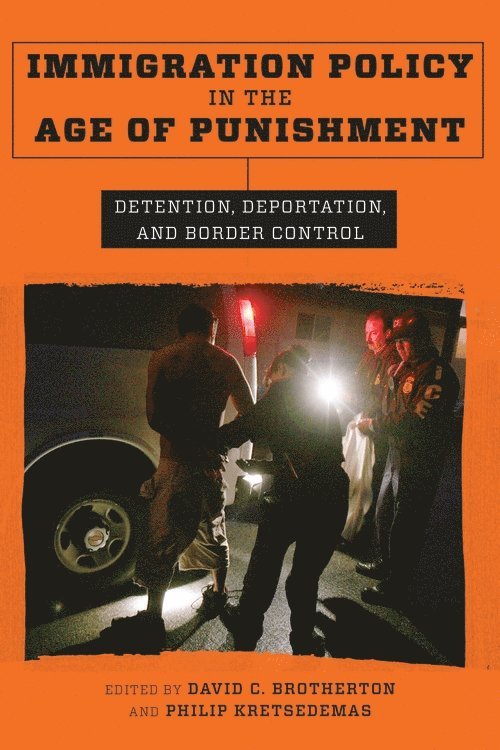
Immigration Policy in the Age of Punishment
Philip Kretsedemas, David C. Brotherton
Inbunden, 2018
1 649 kr
Immigration Policy in the Age of Punishment
Philip Kretsedemas, David C. Brotherton
Häftad, 2018
409 kr
Hoppa över listan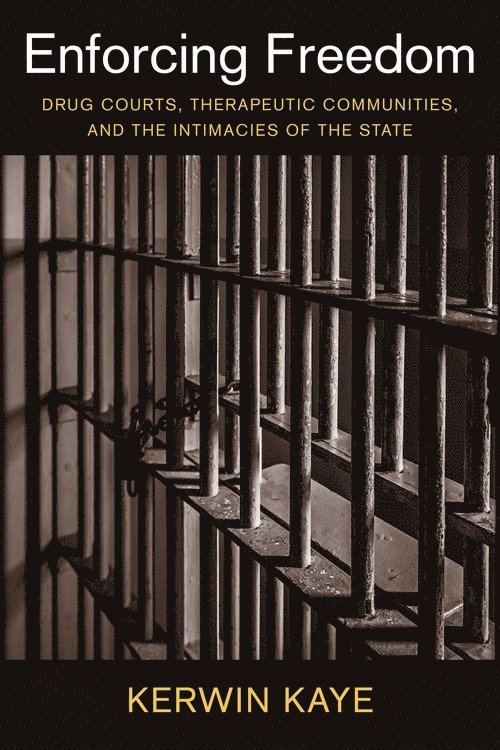


Du kanske också är intresserad av
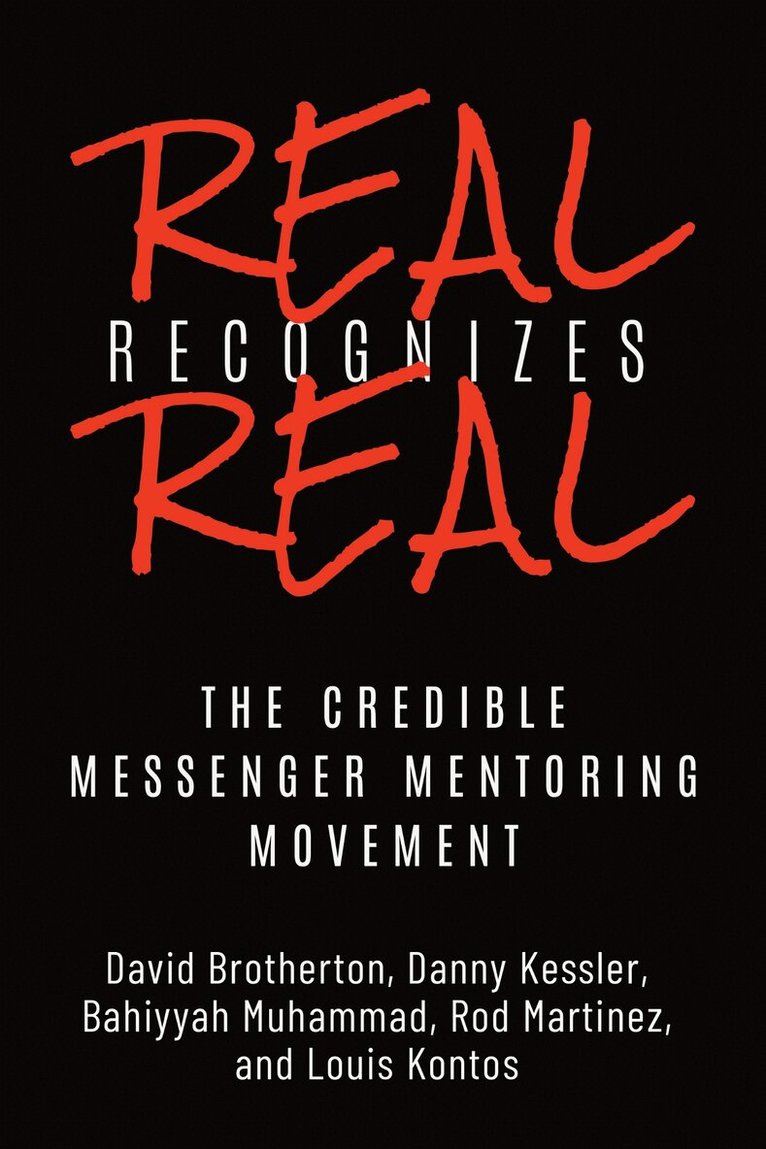
Real Recognizes Real
David Brotherton, Danny Kessler, Bahiyyah Muhammad, Rodrigo Martinez, Louis Kontos
Häftad, 2027
519 kr
- Nyhet
Del 3
Immigration Policy in the Age of Punishment
Philip Kretsedemas, David C. Brotherton
Inbunden, 2018
1 649 kr