
Elusive Empire
Kazan and the Creation of Russia, 1552-1671
Häftad, Engelska, 2012
439 kr
Beställningsvara. Skickas inom 5-8 vardagar. Fri frakt för medlemmar vid köp för minst 249 kr.
In 1552, Muscovite Russia conquered the city of Kazan on the Volga River. It was the first Orthodox Christian victory against Islam since the fall of Constantinople, a turning point that, over the next four years, would complete Moscow’s control over the river. This conquest provided a direct trade route with the Middle East and would transform Muscovy into a global power. As Matthew Romaniello shows, however, learning to manage the conquered lands and peoples would take decades.Russia did not succeed in empire-building because of its strength, leadership, or even the weakness of its neighbors, Romaniello contends; it succeeded by managing its failures. Faced with the difficulty of assimilating culturally and religiously alien peoples across thousands of miles, the Russian state was forced to compromise in ways that, for a time, permitted local elites of diverse backgrounds to share in governance and to preserve a measure of autonomy. Conscious manipulation of political and religious language proved more vital than sheer military might. For early modern Russia, empire was still elusive—an aspiration to political, economic, and military control challenged by continuing resistance, mismanagement, and tenuous influence over vast expanses of territory.
Produktinformation
- Utgivningsdatum2012-01-30
- Mått152 x 229 x 18 mm
- Vikt430 g
- FormatHäftad
- SpråkEngelska
- Antal sidor296
- FörlagUniversity of Wisconsin Press
- ISBN9780299285142
Tillhör följande kategorier
Hoppa över listan
Mer från samma författare
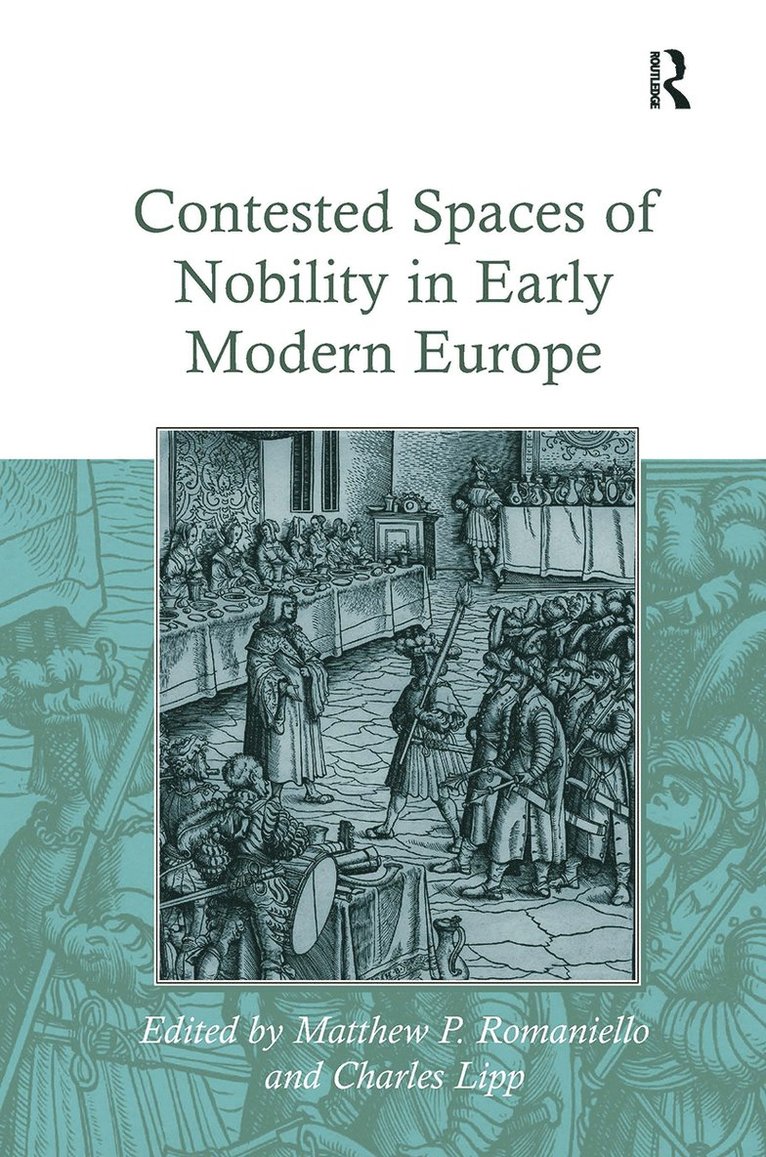
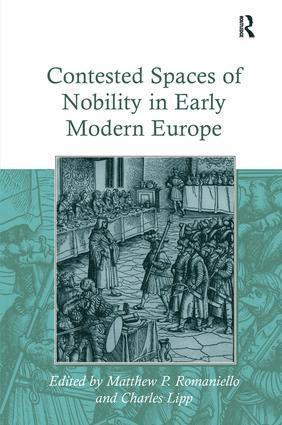
Contested Spaces of Nobility in Early Modern Europe
Charles Lipp, Matthew P. Romaniello
Häftad, 2024
829 kr
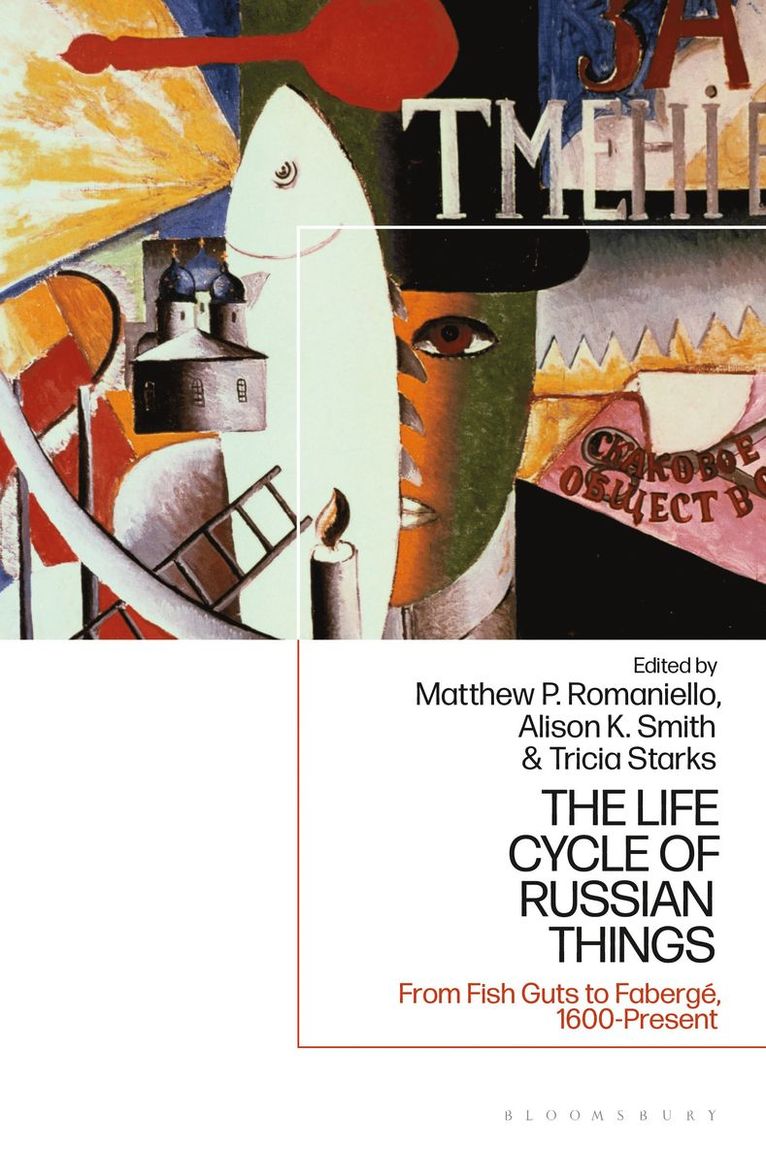
Life Cycle of Russian Things
Matthew P. Romaniello, Alison K. Smith, Tricia Starks
Inbunden, 2021
1 779 kr
Contested Spaces of Nobility in Early Modern Europe
Charles Lipp, Matthew P. Romaniello
Inbunden, 2011
3 299 kr
Hoppa över listan
Du kanske också är intresserad av
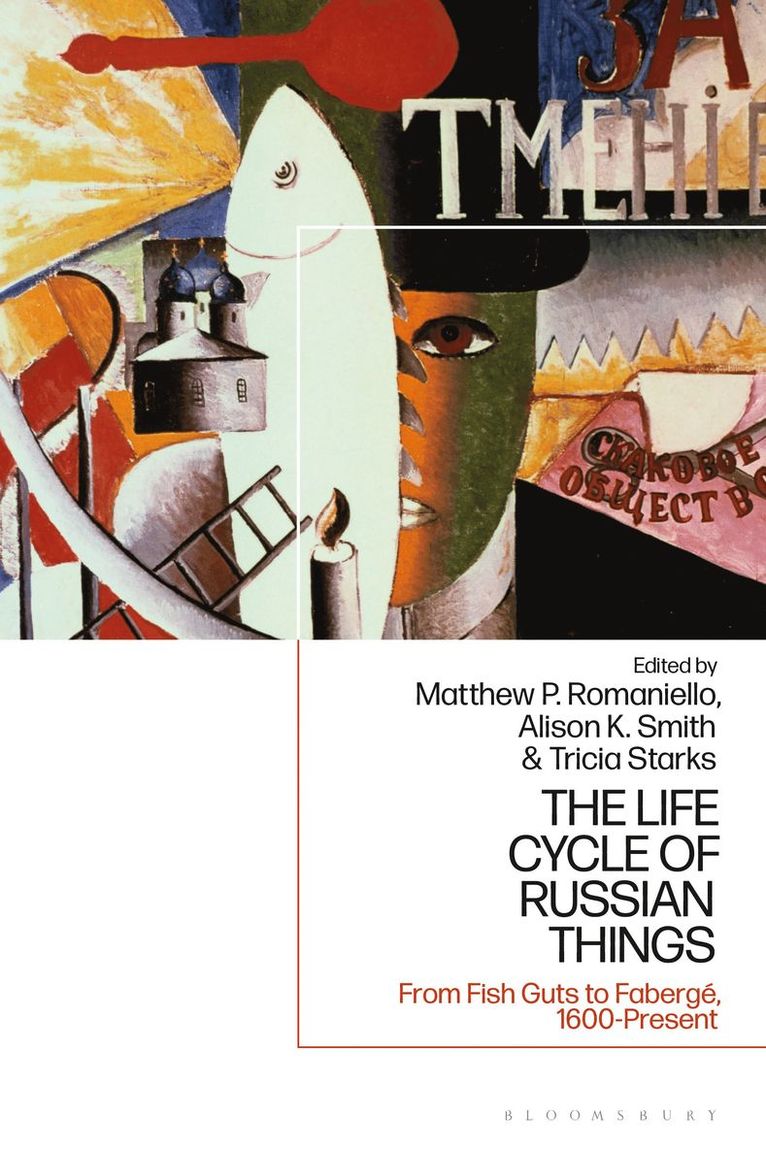
Life Cycle of Russian Things
Matthew P. Romaniello, Alison K. Smith, Tricia Starks
Inbunden, 2021
1 779 kr
Contested Spaces of Nobility in Early Modern Europe
Charles Lipp, Matthew P. Romaniello
Inbunden, 2011
3 299 kr
Contested Spaces of Nobility in Early Modern Europe
Charles Lipp, Matthew P. Romaniello
Häftad, 2024
829 kr