
Del 95 i serien Bilingual Education & Bilingualism
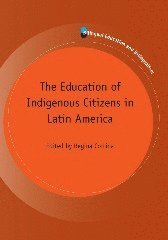
Education of Indigenous Citizens in Latin America
Inbunden, Engelska, 2014
1 819 kr
Beställningsvara. Skickas inom 5-8 vardagar. Fri frakt för medlemmar vid köp för minst 249 kr.
This groundbreaking volume describes unprecedented changes in education across Latin America, resulting from the endorsement of Indigenous peoples' rights through the development of intercultural bilingual education. The chapters evaluate the ways in which cultural and language differences are being used to create national policies that affirm the presence of Indigenous peoples and their cultures within Mexico, Ecuador, Peru, Bolivia and Guatemala. Describing the collaboration between grassroots movements and transnational networks, the authors analyze how social change is taking place at the local and regional levels, and they present case studies that illuminate the expansion of intercultural bilingual education. This book is both a call to action for researchers, teachers, policy-makers and Indigenous leaders, and a primer for practitioners seeking to provide better learning opportunities for a diverse student body.
Produktinformation
- Utgivningsdatum2014-01-06
- Mått148 x 210 x 18 mm
- Vikt424 g
- FormatInbunden
- SpråkEngelska
- SerieBilingual Education & Bilingualism
- Antal sidor232
- FörlagChannel View Publications Ltd
- ISBN9781783090952
Tillhör följande kategorier
Hoppa över listan



Du kanske också är intresserad av
Indigenous Education Policy, Equity, and Intercultural Understanding in Latin America
Regina Cortina
Inbunden, 2016
1 229 kr
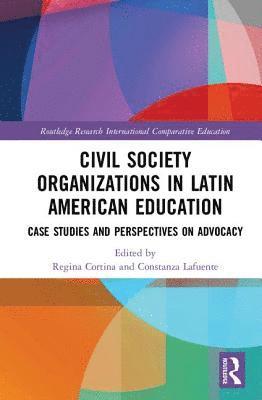
Civil Society Organizations in Latin American Education
Regina Cortina, Constanza Lafuente
Häftad, 2019
839 kr
Civil Society Organizations in Latin American Education
Regina Cortina, Constanza Lafuente
Inbunden, 2018
3 059 kr
Del 95
- Nyhet
Del 1

Del 1
- Nyhet