
Del i serien Basics
Ecology the basics
- Nyhet
Häftad, Engelska, 2026
439 kr
Beställningsvara. Skickas inom 10-15 vardagar. Fri frakt för medlemmar vid köp för minst 249 kr.
Finns i fler format (1)
The text sets out the fundamentals that underpin ecology – the study of the relations between organisms of the same of different species and between organisms and the abiotic (non-living) environment. In other words, it is the study of where we live.The structure of the book adopts the classical style followed by most educators teaching this subject. It is divided into seven chapters which could be the basis of a semester’s learning. Non-specialist, jargon-free language is used throughout with technical words and phrases explained in the text and in a glossary. Each chapter begins with an overview of the key themes covered and ends with suggestions for further, self-directed study. Chapter 1 is an introduction to the subject and contains outlines of how the subject has developed, its relevance today, and the skills required by an ecologist. Chapters 2 – 7 address, in turn, the abiotic (non-living) environment, adaptations of organisms to their abiotic environment, population ecology, community ecology, ecosystem ecology, and landscape ecology. Cross-cutting themes such as behavioural ecology, aquatic ecology, and terrestrial ecology are woven throughout these chapters. Relevant case studies, based on twenty-first century global challenges (changing climate, urbanisation, the biodiversity crisis, and the spread of invasive non-native species) and ecological ways of tackling these issues (nature-based solutions and species and habitat conservation (including rewilding)), are presented in relevant chapters.In Ecology: The Basics the author synthesises ecological understanding to provide a foundation for first- and second-year undergraduates who are approaching ecology for the first time or are looking to refresh their knowledge. Ecology: The Basics also serves as a foundation for those coming to ecology as part of their higher-level studies, or who wish to be more informed about ecology as part of their life-long learning journey.
Produktinformation
- Utgivningsdatum2026-10-09
- Mått129 x 198 x 17 mm
- Vikt600 g
- FormatHäftad
- SpråkEngelska
- SerieBasics
- Antal sidor324
- FörlagTaylor & Francis Ltd
- ISBN9781032994970
Tillhör följande kategorier
Hoppa över listan

Mer från samma författare
Urban Ecology
NIEMELA, Jari Niemelä, Jürgen H. Breuste, Glenn Guntenspergen, Nancy E. McIntyre, Thomas Elmqvist, Philip James
Inbunden, 2011
3 869 kr
Urban Ecology
Niemela, Jari Niemelä, Jürgen H. Breuste, Glenn Guntenspergen, Nancy E. McIntyre, Thomas Elmqvist, Philip James
Häftad, 2011
989 kr
Voluntary Organizations and Public Service Delivery
Ian Cunningham, Philip James
Inbunden, 2011
3 609 kr
Hoppa över listan




Mer från samma serie
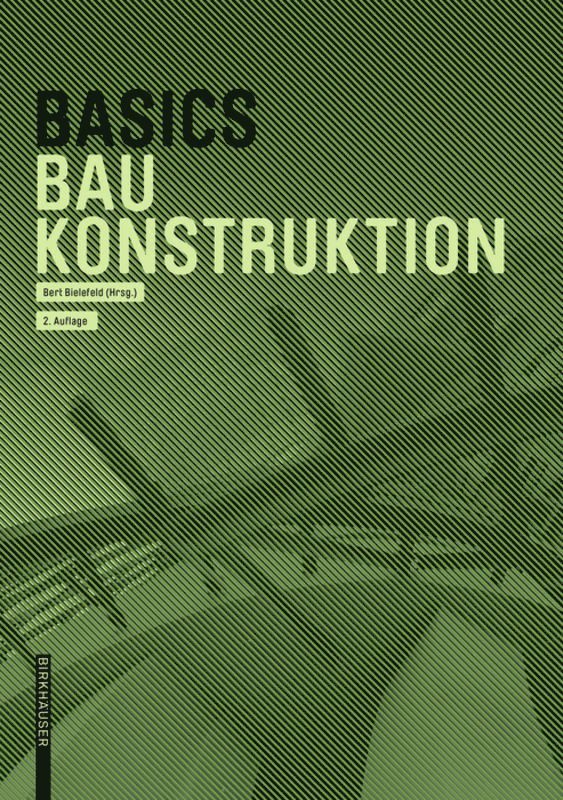
Basics Baukonstruktion
Andreas Achilles, Katrin Hanses, Nils Kummer, Diane Navratil, Ludwig Steiger, Bert Bielefeld
Häftad, 2021
849 kr
Hoppa över listan




Du kanske också är intresserad av
- Nyhet
Urban Ecology
Niemela, Jari Niemelä, Jürgen H. Breuste, Glenn Guntenspergen, Nancy E. McIntyre, Thomas Elmqvist, Philip James
Häftad, 2011
989 kr
Urban Ecology
NIEMELA, Jari Niemelä, Jürgen H. Breuste, Glenn Guntenspergen, Nancy E. McIntyre, Thomas Elmqvist, Philip James
Inbunden, 2011
3 869 kr