
Dream Sequences in Shakespeare
A Psychoanalytic Perspective
Inbunden, Engelska, 2020
3 699 kr
Beställningsvara. Skickas inom 10-15 vardagar. Fri frakt för medlemmar vid köp för minst 249 kr.
Finns i fler format (1)
This book takes a new approach to Shakespeare’s plays, exploring them as dream-thought in the modern psychoanalytic sense of unconscious thinking.Through his commitment to poetic language, Shakespeare offers images and dramatic sequences that illustrate fundamental developmental conflicts, the solutions for which are not preconceived but evolve through the process of dramatisation. In this volume, Meg Harris Williams explores the fundamental distinction between the surface meanings of plot or argument and the deep grammar of dreamlife, applied not only to those plays known as ‘dream-plays’ but also to critical sequences throughout Shakespeare’s oeuvre.Through a post-Kleinian model based on the thinking of Bion, Meltzer, and Money-Kyrle, this book sheds new light on both Shakespeare’s own relation to the play and on the identificatory processes of the playwright, reader, or audience. Dream Sequences in Shakespeare is important reading for psychoanalysts, playwrights, and students.
Produktinformation
- Utgivningsdatum2020-11-30
- Mått156 x 234 x 15 mm
- Vikt453 g
- FormatInbunden
- SpråkEngelska
- Antal sidor174
- FörlagTaylor & Francis Ltd
- ISBN9780367635510
Tillhör följande kategorier
Hoppa över listan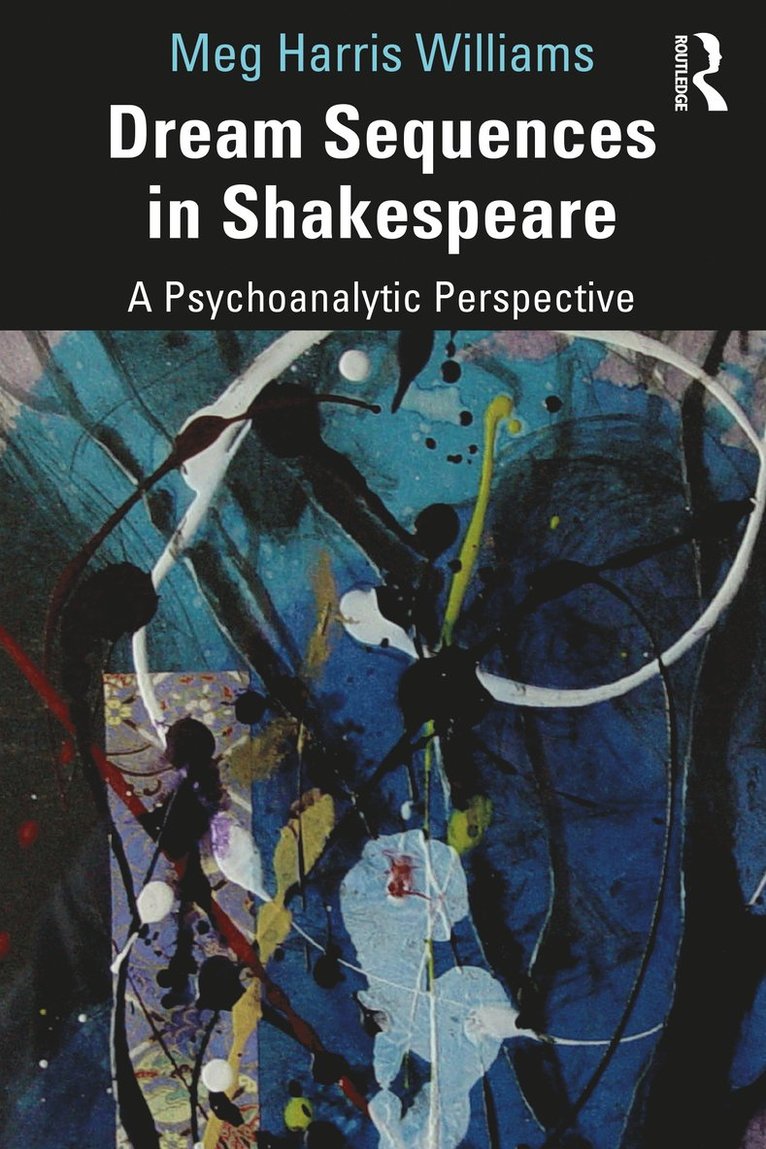








Du kanske också är intresserad av
- Nyhet
Del 3
- Nyhet
Del 11
- Nyhet
Del 1
- Nyhet
Del 4
- Nyhet
Del 4
- Nyhet
Del 6
Del 2
Del 3