
Disaster Archipelago
Locating Vulnerability and Resilience in the Philippines
Häftad, Engelska, 2023
659 kr
Beställningsvara. Skickas inom 10-15 vardagar. Fri frakt för medlemmar vid köp för minst 249 kr.
Images of the devastation wreaked by typhoons, flooding, earthquakes and drought in the Philippines circulate globally as an important part of disaster discourses. This collection seeks to move beyond these simplistic representations of calamity by bringing together a group of Filipino and international scholars from diverse disciplinary backgrounds to grapple with the complex nature of disaster in the Philippines. Firmly grounded in the relationship between disaster and place, the volume’s contributors confront the challenges of the Philippine nation’s internal heterogeneity of language, ethnicity and class. In doing so, this book seeks to engage the specificities of place amid diversity, and explores two broad but interrelating avenues of investigation through case studies drawn from across the archipelago: How can environmental extremity in the Philippines help us understand disasters? How can disasters help us understand the Philippines?
Produktinformation
- Utgivningsdatum2023-04-05
- Mått154 x 223 x 18 mm
- Vikt490 g
- FormatHäftad
- SpråkEngelska
- Antal sidor306
- FörlagBloomsbury Publishing Plc
- ISBN9781498569958
Tillhör följande kategorier
Hoppa över listan




Du kanske också är intresserad av
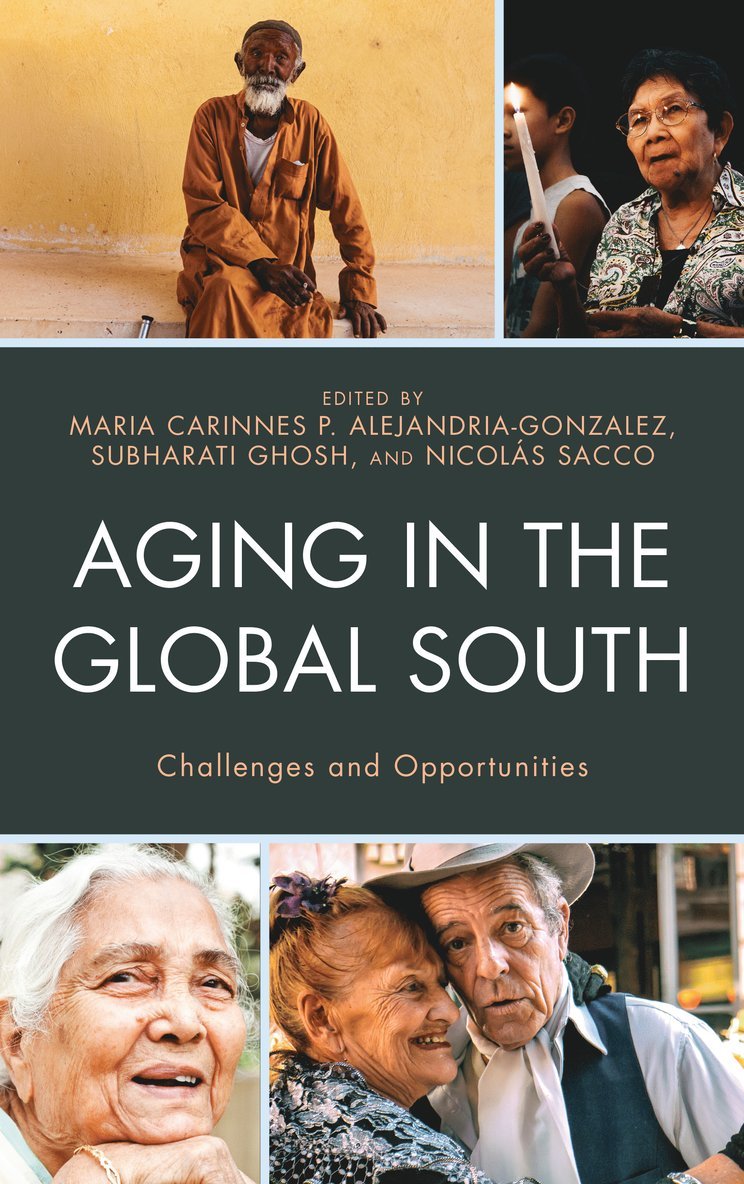
Aging in the Global South
Maria Carinnes P. Alejandria, Subharati Ghosh, Nicolas Sacco
Inbunden, 2018
1 689 kr