
Del i serien Critical Issues in Disabilities and Education
Disabling the School-to-Prison Pipeline
The Relationship Between Special Education and Arrest
Inbunden, Engelska, 2021
1 499 kr
Beställningsvara. Skickas inom 10-15 vardagar. Fri frakt för medlemmar vid köp för minst 249 kr.
Finns i fler format (1)
Young people who have received special education services in the United States are vastly overrepresented in juvenile and adult criminal justice systems relative to their numbers in the general population. Although much existing research blames individual kids for getting arrested, school-level policies and practices affect a variety of student outcomes, including involvement with the justice system. These school-level policies and practices can—and should—be altered by teachers, administrators, and policy makers to reduce the number of young people getting arrested. Disabling the School-to-Prison Pipeline uses administrative data from New York City public schools and interviews with young people who have received special education services in NYC public schools and been arrested to better understand how schools can help or harm students receiving special education services. Schools cannot fix all problems associated with the criminal justice system in the United States; however, we can certainly expect schools not to make existing problems worse. This book identifies school-level policies and practices that may lead to negative outcomes for students, such as getting arrested, and suggests alternatives.
Produktinformation
- Utgivningsdatum2021-05-11
- Mått164 x 227 x 19 mm
- Vikt417 g
- FormatInbunden
- SpråkEngelska
- SerieCritical Issues in Disabilities and Education
- Antal sidor158
- FörlagBloomsbury Publishing Plc
- ISBN9781793624178
Tillhör följande kategorier
Hoppa över listan
Mer från samma serie
Educator Perspectives of Self-Efficacy with Special Populations
Donna M. Baumgardner
Inbunden, 2025
1 359 kr
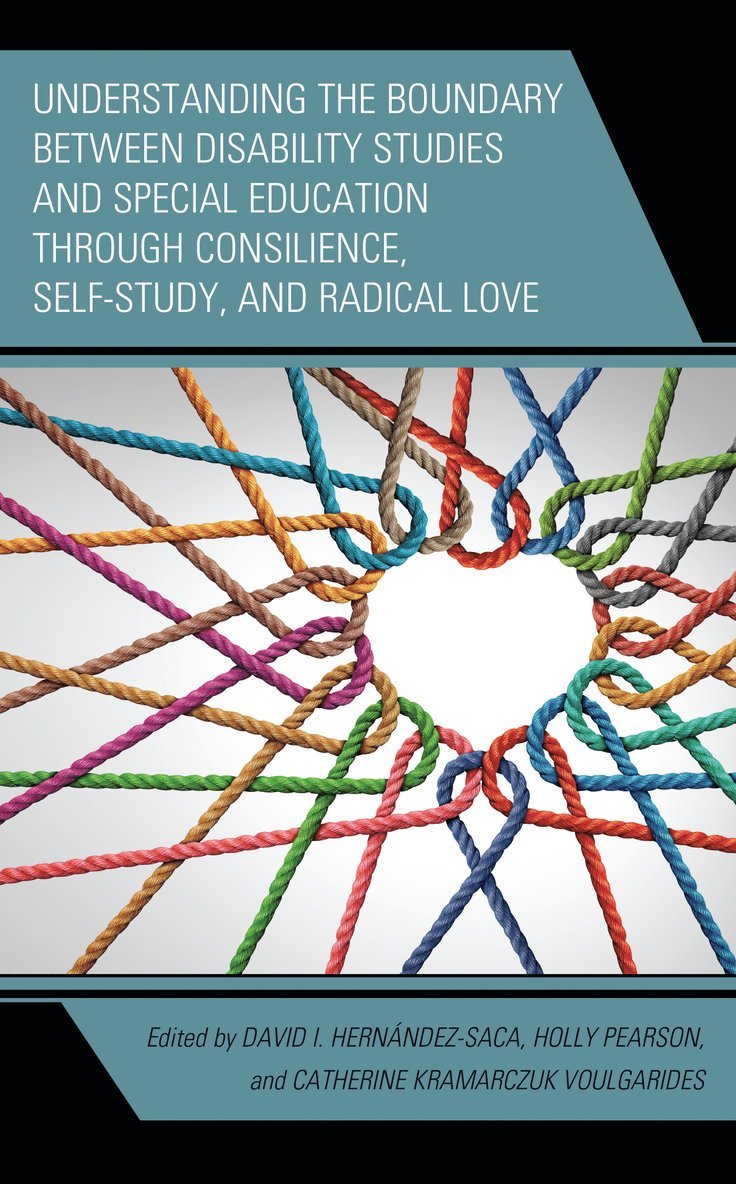
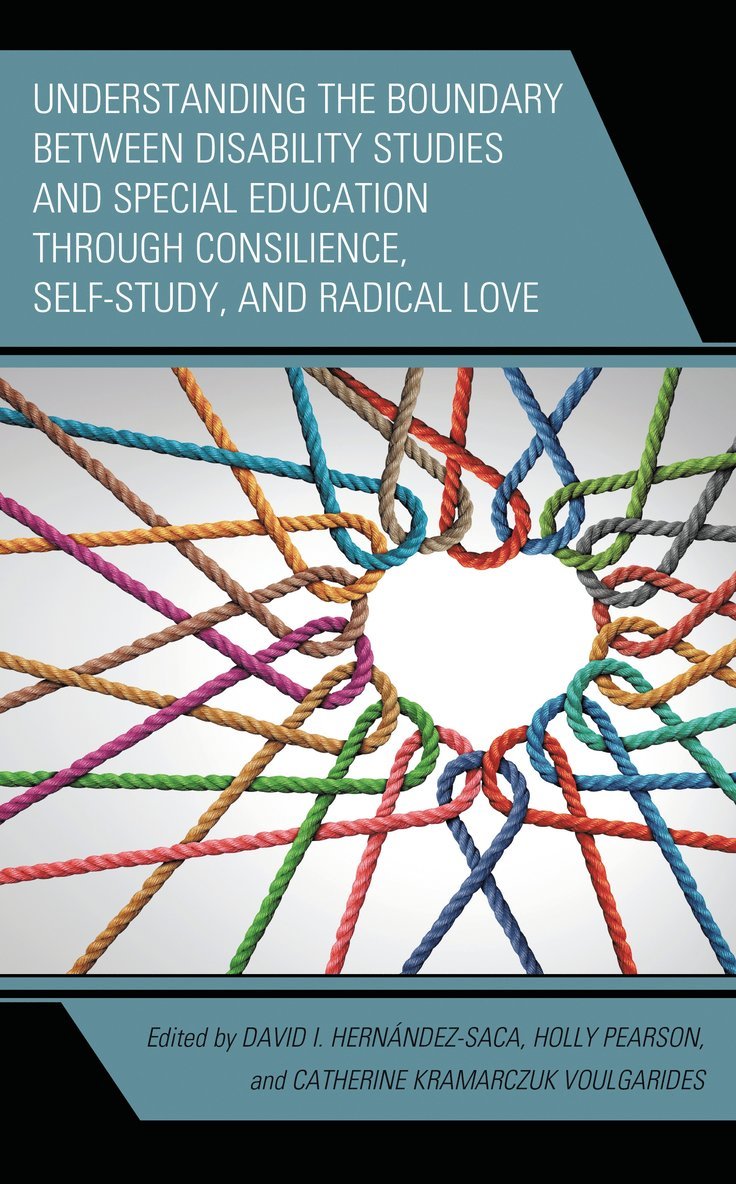
Understanding the Boundary between Disability Studies and Special Education through Consilience, Self-Study, and Radical Love
David I. Hernández-Saca, Holly Pearson, Catherine Kramarczuk Voulgarides
Inbunden, 2023
1 939 kr
Understanding the Boundary between Disability Studies and Special Education through Consilience, Self-Study, and Radical Love
David I. Hernández-Saca, Holly Pearson, Catherine Kramarczuk Voulgarides
Häftad, 2025
629 kr
Hoppa över listan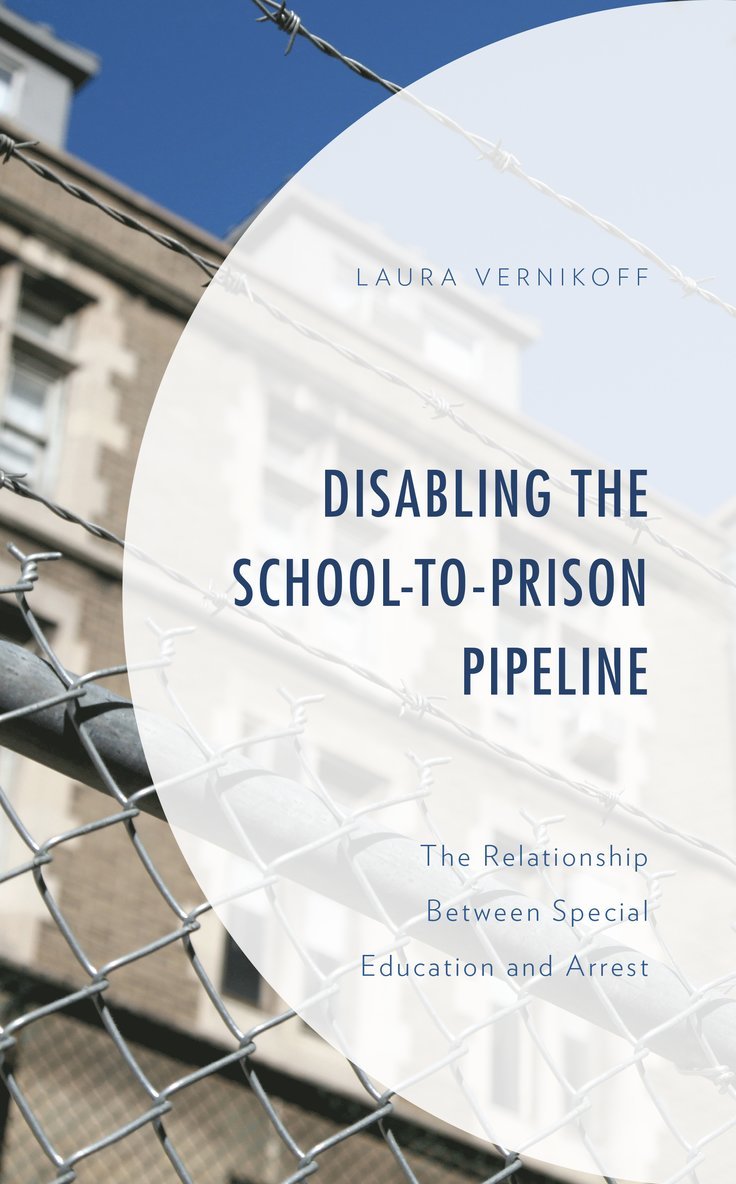


Du kanske också är intresserad av
- Nyhet
Del 3
Understanding the Boundary between Disability Studies and Special Education through Consilience, Self-Study, and Radical Love
David I. Hernández-Saca, Holly Pearson, Catherine Kramarczuk Voulgarides
Häftad, 2025
629 kr
- Nyhet
Del 11
Understanding the Boundary between Disability Studies and Special Education through Consilience, Self-Study, and Radical Love
David I. Hernández-Saca, Holly Pearson, Catherine Kramarczuk Voulgarides
Inbunden, 2023
1 939 kr
Educator Perspectives of Self-Efficacy with Special Populations
Donna M. Baumgardner
Inbunden, 2025
1 359 kr