
Descartes's Changing Mind
Inbunden, Engelska, 2009
799 kr
Beställningsvara. Skickas inom 5-8 vardagar. Fri frakt för medlemmar vid köp för minst 249 kr.
Descartes's works are often treated as a unified, unchanging whole. But in Descartes's Changing Mind, Peter Machamer and J. E. McGuire argue that the philosopher's views, particularly in natural philosophy, actually change radically between his early and later works--and that any interpretation of Descartes must take account of these changes. The first comprehensive study of the most significant of these shifts, this book also provides a new picture of the development of Cartesian science, epistemology, and metaphysics. No changes in Descartes's thought are more significant than those that occur between the major works The World (1633) and Principles of Philosophy (1644). Often seen as two versions of the same natural philosophy, these works are in fact profoundly different, containing distinct conceptions of causality and epistemology.Machamer and McGuire trace the implications of these changes and others that follow from them, including Descartes's rejection of the method of abstraction as a means of acquiring knowledge, his insistence on the infinitude of God's power, and his claim that human knowledge is limited to that which enables us to grasp the workings of the world and develop scientific theories.
Produktinformation
- Utgivningsdatum2009-07-26
- Mått156 x 235 x 26 mm
- Vikt513 g
- FormatInbunden
- SpråkEngelska
- Antal sidor272
- FörlagPrinceton University Press
- ISBN9780691138893
Tillhör följande kategorier
Hoppa över listan


Mer från samma författare
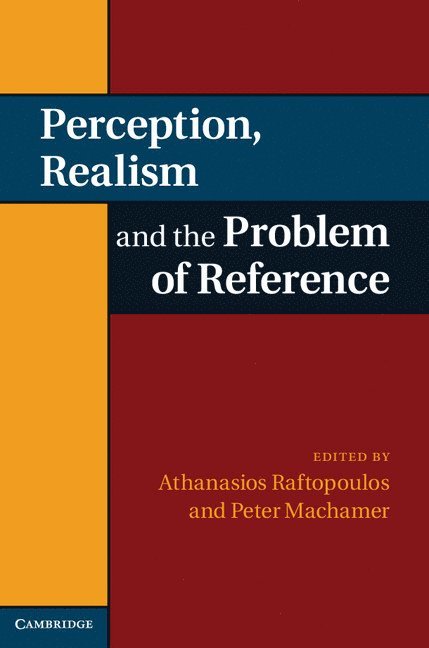
Perception, Realism, and the Problem of Reference
Athanassios Raftopoulos, Peter Machamer
Inbunden, 2012
1 049 kr
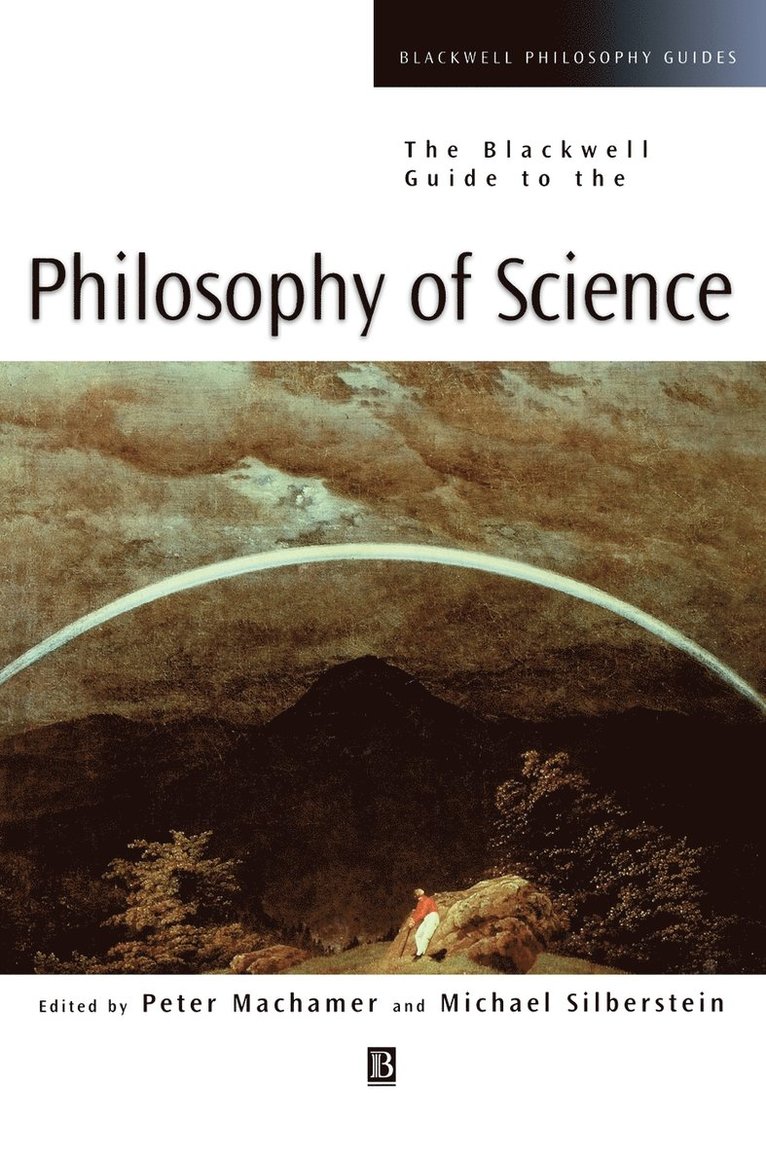
Blackwell Guide to the Philosophy of Science
Machamer, Silberstein, Peter Machamer, Michael Silberstein
Inbunden, 2002
2 179 kr
Blackwell Guide to the Philosophy of Science
Machamer, Silberstein M, Peter Machamer, Michael Silberstein
Häftad, 2002
689 kr
Perception, Realism, and the Problem of Reference
Athanassios Raftopoulos, Peter Machamer
Häftad, 2014
889 kr
Hoppa över listan
Du kanske också är intresserad av
Perception, Realism, and the Problem of Reference
Athanassios Raftopoulos, Peter Machamer
Inbunden, 2012
1 049 kr
Blackwell Guide to the Philosophy of Science
Machamer, Silberstein, Peter Machamer, Michael Silberstein
Inbunden, 2002
2 179 kr
Perception, Realism, and the Problem of Reference
Athanassios Raftopoulos, Peter Machamer
Häftad, 2014
889 kr
Blackwell Guide to the Philosophy of Science
Machamer, Silberstein M, Peter Machamer, Michael Silberstein
Häftad, 2002
689 kr
- Nyhet
Del 3