
Del 6 i serien Lancaster Imprints
Derwentcote Steel Furnace
An Industrial monument in County Durham
Häftad, Engelska, 1997
409 kr
Skickas . Fri frakt för medlemmar vid köp för minst 249 kr.
A forge at Derwentcote, Co Durham, was built in c1719, and operated until 1891. The cementation steel furnace which is the main subject of this report was probably added in c 1733, and remained in use until between 1875 and 1891. The works was operated by a series of relatively short-lived partnerships in the eighteenth century; from the 1790s to 1872 it was controlled by successive members of the Cookson family, and from 1872 to final closure in 1891 it was again operated by a series of short-lived partnerships and companies.
Externally, the furnace consists of a buttressed rectangular structure, passing up into a conical chimney. Internally, it contains an ashpit at the base, above which a firegrate opens into the base of a rectangular vaulted chamber containing the stone cementation chests. Flames from the fire were carried by a series of flues round these chests, and exhausted by a second series of flues into the base of the hollow chimney. The stone external structure is original, but most of the internal linings represent repairs and replacements during the working life of the furnace.
The interiors and surroundings of the buildings attached to the furnace have been excavated, in advance of public display. Within the Southern Building, this excavation revealed a series of floor levels, with evidence for smithing and for a charcoal-grinding mill. Outside the standing buildings, excavation revealed the sites of one paced yard and three timber buildings (two of which had been walled with brick panels infilling a timber frame, whereas the third had been entirely of timber construction), together with stratigraphic sequences relating to the construction, use, and abandonment of the furnace.
The large finds assemblage was derived largely from post-abandonment contexts, and was dominated in bulk by firebrick and process residues. The former included an interesting series of stamps, and the latter forms a type-assemblage for process residues from the cementation process. The ironwork assemblage included fittings from various parts of the furnace. The furnace has now been conserved and opened to the public by English Heritage.
Produktinformation
- Utgivningsdatum1997-12-01
- Mått176 x 294 x 12 mm
- Vikt580 g
- FormatHäftad
- SpråkEngelska
- SerieLancaster Imprints
- Antal sidor145
- FörlagUniversity of Lancaster
- ISBN9781862200111
Tillhör följande kategorier
Hoppa över listan

Mer från samma serie
Del 10
Hotties: Excavation and Building Survey at Pilkingtons No. 9 Tank House, St Helens Merseyside
Mick Krupa, Richard Heawood
Häftad, 2002
389 kr
Del 11
Old Abbey Farm Risley: Building Survey and Excavation at a Medieval Moated Site
Richard Heawood, Christine Howard-Davis
Häftad, 2004
369 kr
Del 12
Del 16
Norton Priory: Monastery to Museum
Fraser Brown, Christine Howard-Davis, Fraser Brown
Inbunden, 2008
979 kr
Del 14
Carlisle Millennium Project: Excavations in Carlisle 1998-2001. Volume 1
John Zant
Inbunden, 2009
509 kr
Del 35
On the Banks of the Humber: Archaeological and Palaeoenvironmental Investigations at Goxhill, North Lincolnshire, and Paull, East Yorkshire, 2016-2020
Richard Gregory, Stephen Rowland, Mairead Rutherford, John Zant
Häftad, 2026
899 kr
Del 34
Pioneers, Settlers, Villagers, and Warriors: Excavations at Ronaldsway Airport, Isle of Man
Richard Gregory, Fraser Brown
Inbunden, 2026
1 709 kr
Del 23
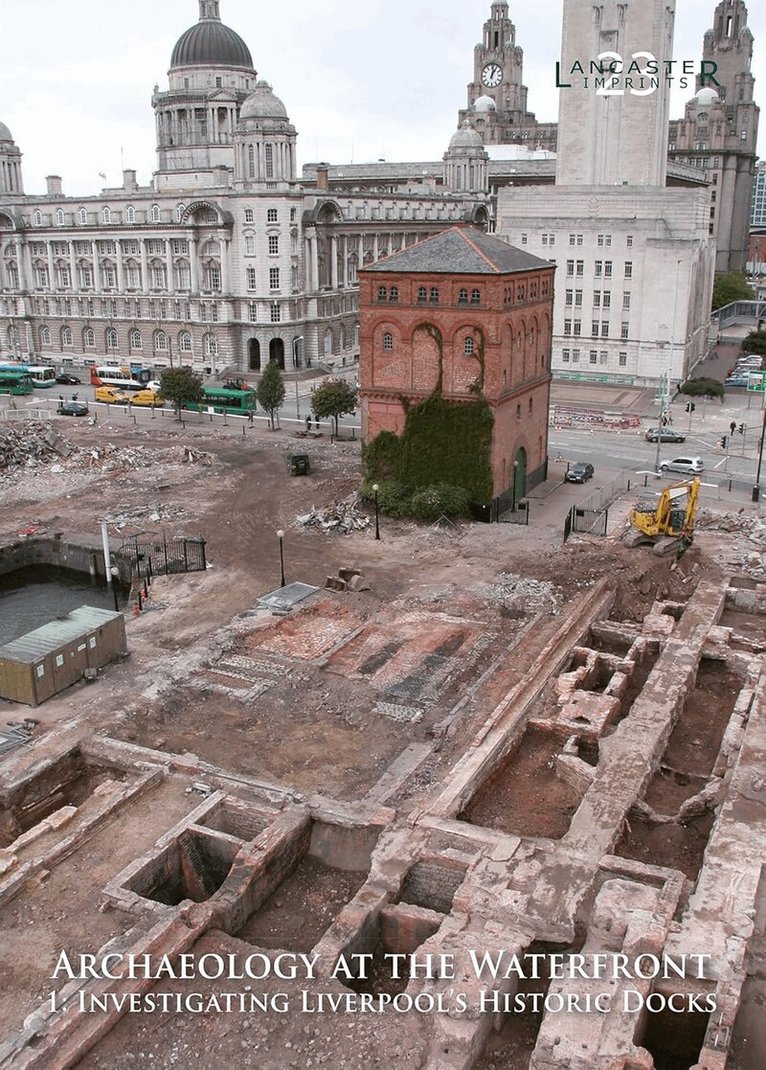
Archaeology at the Waterfront vol 1
Richard A. Gregory, Caroline Raynor, Mark H. Adams, Robert Philpott, Christine Howard-Davis, Nick Johnson, Vix Hughes, David A. Higgins
Häftad, 2014
409 kr
Del 24
From Mesolithic Encampment to Medieval Estate: The Archaeology of the Bay Gateway
Jeremy Bradley, Christine Howard-Davis
Häftad, 2018
509 kr
Hoppa över listan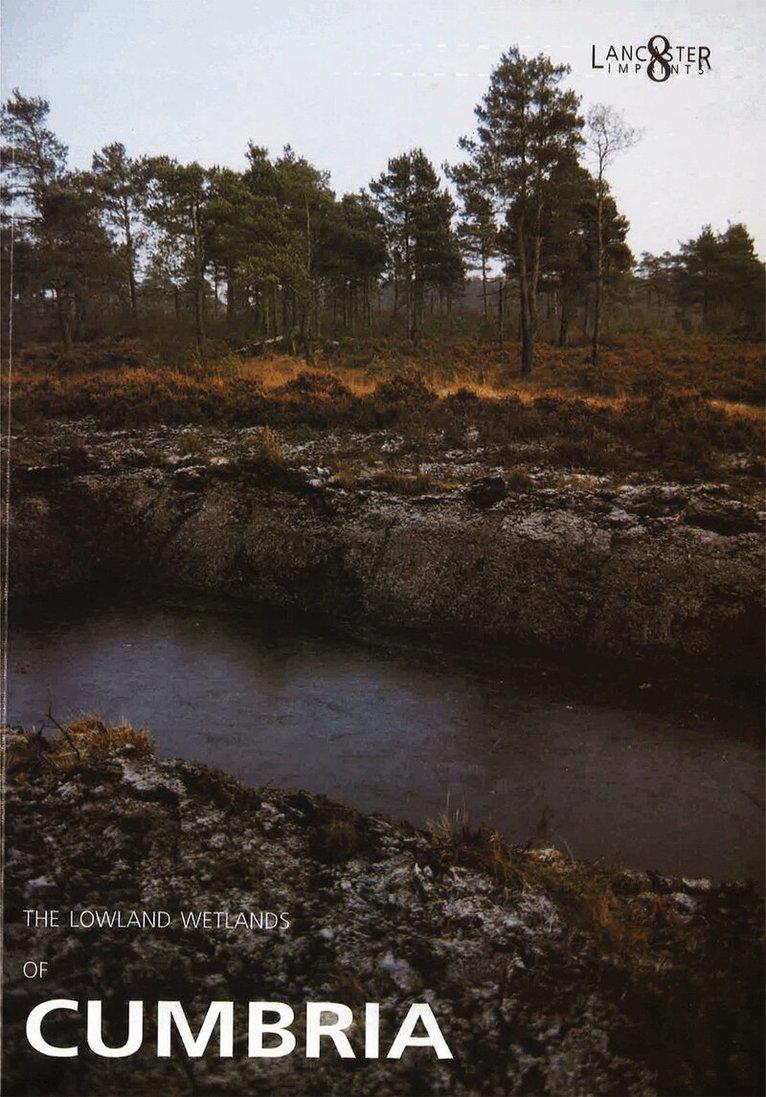
Du kanske också är intresserad av
Del 6
Lowland Wetlands of Cumbria
D. HODGKINSON, Elizabeth Huckerby, Robert Middleton, C. Wells
Häftad, 2001
759 kr
Del 27
Del 25
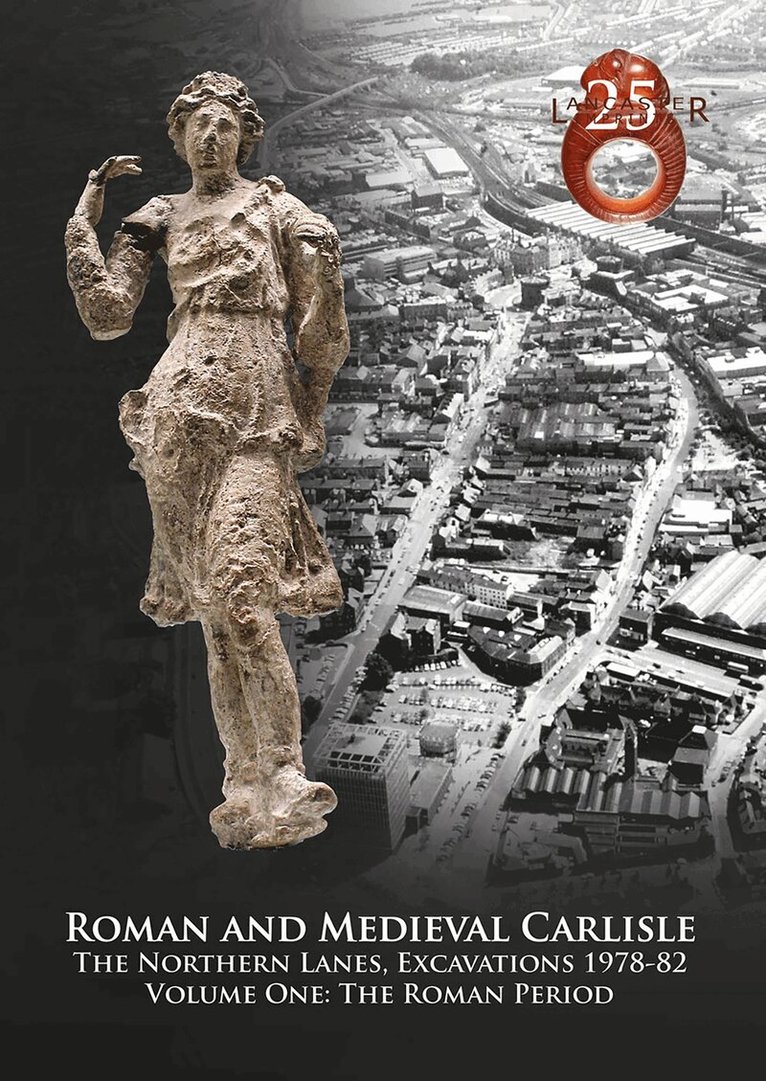
Roman and Medieval Carlisle: the Northen Lanes, Excavations 1978-82
John M. Zant, Christine Howard-Davis
Häftad, 2019
509 kr
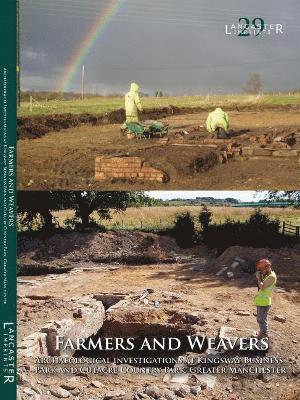
Del 29
Farmers and Weavers: Archaeological Investigations at Kingsway Business Park and Cutacre Country Park, Greater Manchester
Richard Gregory, Peter Arrowsmith, Richard Gregory, Peter Arrowsmith, Ian Miller, Michael Nevell
Häftad, 2021
509 kr
Del 35
On the Banks of the Humber: Archaeological and Palaeoenvironmental Investigations at Goxhill, North Lincolnshire, and Paull, East Yorkshire, 2016-2020
Richard Gregory, Stephen Rowland, Mairead Rutherford, John Zant
Häftad, 2026
899 kr
Del 24
From Mesolithic Encampment to Medieval Estate: The Archaeology of the Bay Gateway
Jeremy Bradley, Christine Howard-Davis
Häftad, 2018
509 kr
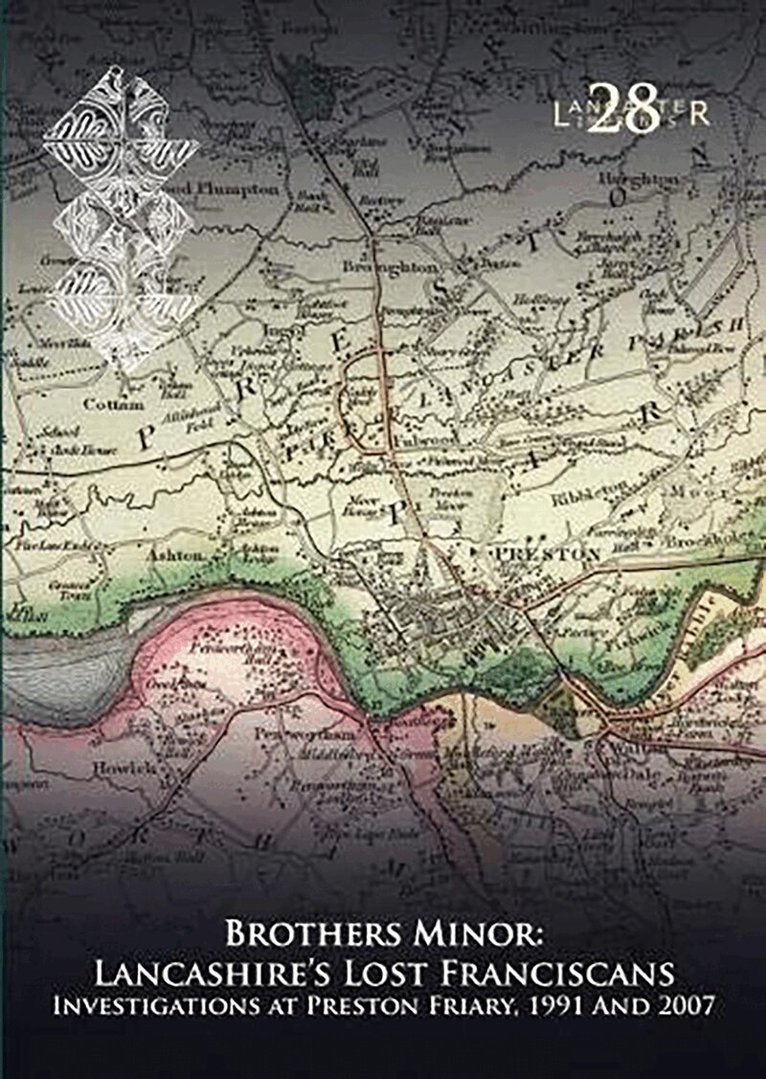
Del 28
Del 11
Old Abbey Farm Risley: Building Survey and Excavation at a Medieval Moated Site
Richard Heawood, Christine Howard-Davis
Häftad, 2004
369 kr
Del 23
Archaeology at the Waterfront vol 1
Richard A. Gregory, Caroline Raynor, Mark H. Adams, Robert Philpott, Christine Howard-Davis, Nick Johnson, Vix Hughes, David A. Higgins
Häftad, 2014
409 kr