
Critical Introduction to Testimony
Inbunden, Engelska, 2014
2 909 kr
Beställningsvara. Skickas inom 10-15 vardagar. Fri frakt för medlemmar vid köp för minst 249 kr.
Finns i fler format (1)
The epistemology of testimony is a rapidly developing area in contemporary analytic philosophy. In this first thorough survey of the recent debate on the subject, Axel Gelfert provides an in-depth introduction to what has become one of the liveliest debates in contemporary epistemology. Covering existing literature and major debates, A Critical Introduction to Testimony discusses the epistemic status of testimony-based beliefs, relates changes to relevant developments in other areas and offers a critical perspective on current and future research trends. Devoting space to both the applications of social epistemology and the larger conceptual issues of knowledge, Gelfert not only introduces the epistemology of testimony; he offers an up-to-date introduction to epistemology. Equipped with a mix of study questions, examples, and suggestions for further reading, students of contemporary epistemology will find this a reliable guide to studying testimony as a source of knowledge.
Produktinformation
- Utgivningsdatum2014-07-31
- Mått156 x 234 x 19 mm
- Vikt549 g
- FormatInbunden
- SpråkEngelska
- SerieBloomsbury Critical Introductions to Contemporary Epistemology
- Antal sidor264
- FörlagBloomsbury Publishing Plc
- ISBN9781441186362
Tillhör följande kategorier
Hoppa över listan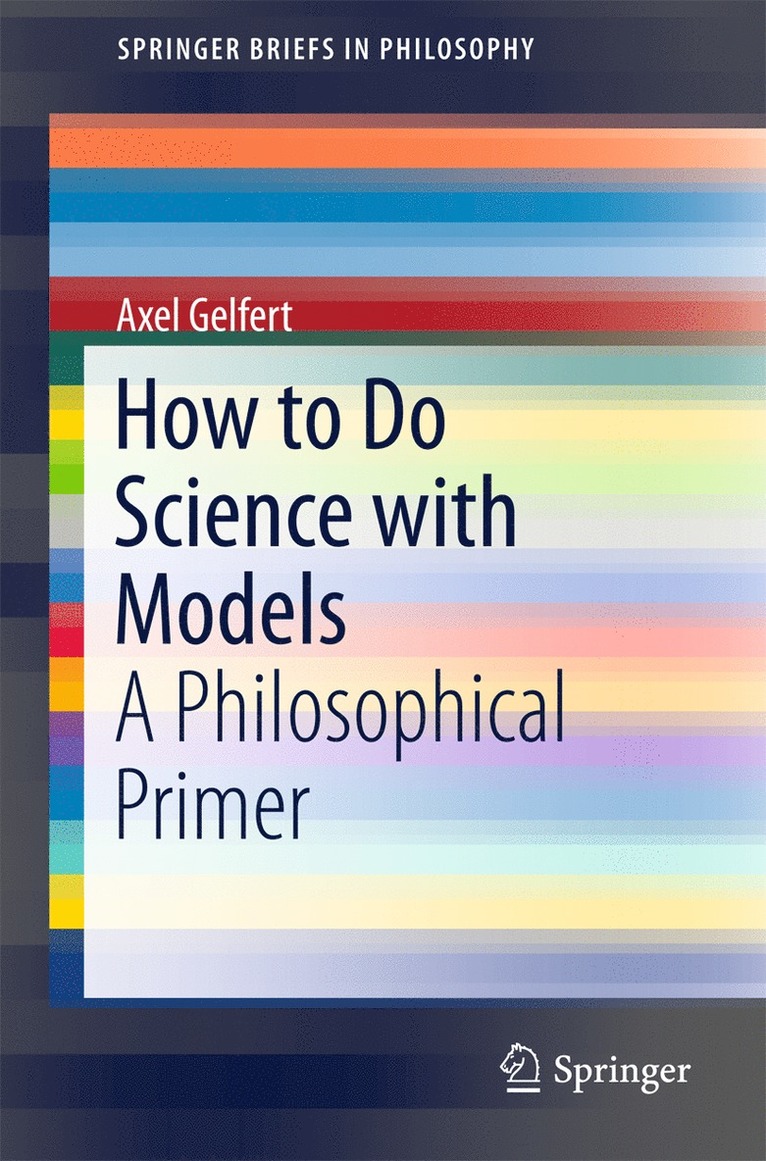


Mer från samma författare
Del 19
Communicating Scientific Knowledge in Times of Crisis
Axel Gelfert, Stephen John, Mathias Frisch
Häftad, 2025
599 kr
Hoppa över listan




Mer från samma serie
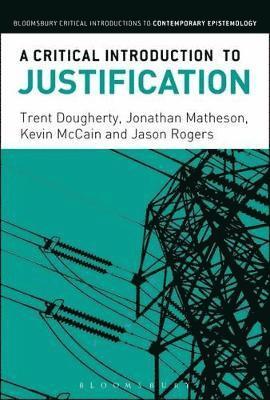
Critical Introduction to Justification
Trent Dougherty, Jonathan Matheson, Kevin McCain, Jason Rogers
Häftad, 2025
679 kr
Hoppa över listan


Du kanske också är intresserad av
Del 19
Communicating Scientific Knowledge in Times of Crisis
Axel Gelfert, Stephen John, Mathias Frisch
Häftad, 2025
599 kr
- Nyhet
Del 3
- Nyhet
Del 6
Critical Introduction to Justification
Trent Dougherty, Jonathan Matheson, Kevin McCain, Jason Rogers
Häftad, 2025
679 kr