
Del i serien Archaeological Lives
Connecting the Dots: Counting, Writing, and the Beginnings of Civilization
- Nyhet
The Secret Lives of Clay Tokens: A Memoir
Häftad, Engelska, 2026
529 kr
Beställningsvara. Skickas inom 11-20 vardagar. Fri frakt för medlemmar vid köp för minst 249 kr.
In 1978, Scientific American caught the world by surprise with an article about the miniature clay cones, spheres, disks, tetrahedrons, and other geometric-shaped artifacts recovered by archaeologists from most Neolithic (c. 7500 bc) trenches dug in the Middle East—but hitherto ignored. The small artifacts, now called tokens, were daringly presented as possible precursors of writing by a Franco-American archaeologist, Denise Schmandt-Besserat.Almost fifty years later, in Connecting the Dots, Denise Schmandt-Besserat takes stock of her life and work: how she singlehandedly pursued her research, traveling alone through Turkey, Syria, Lebanon, Jordan, Iraq, and Iran to locate the present whereabouts of tokens from scientifically excavated sites, subsequently spending long hours measuring, sketching, and taking notes on thousands of examples in dark attics or basements of museums, before enjoying the exotic Middle Eastern souks or bazaars.Above all, as the last in the long series of Schmandt-Besserat’s publications, including Before Writing and How Writing Came About, Connecting the Dots is the capstone of her theory that the need for agricultural recordkeeping by the earliest farmers gave rise to counting, writing and, yes, civilization.
Produktinformation
- Utgivningsdatum2026-07-30
- Mått174 x 245 x undefined mm
- FormatHäftad
- SpråkEngelska
- SerieArchaeological Lives
- Antal sidor178
- FörlagArchaeopress
- ISBN9781805833307
Tillhör följande kategorier
Hoppa över listan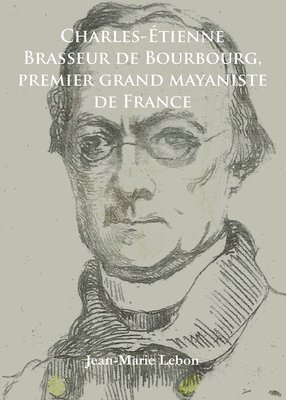
Mer från samma serie
Charles-Étienne Brasseur de Bourbourg, premier grand mayaniste de France
Jean-Marie Lebon
Häftad, 2015
609 kr
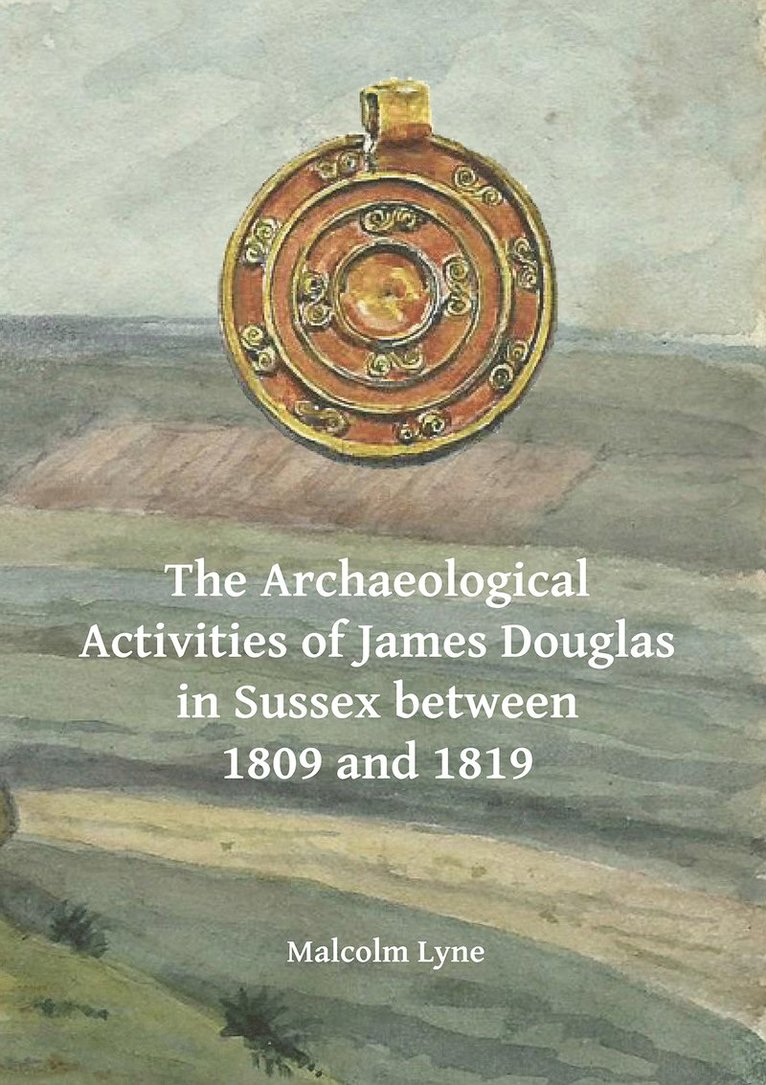
Archaeological Activities of James Douglas in Sussex between 1809 and 1819
Malcolm Lyne
Häftad, 2017
319 kr
My dear Miss Ransom: Letters between Caroline Ransom Williams and James Henry Breasted, 1898-1935
Kathleen L. Sheppard
Häftad, 2018
499 kr
Aleksei P. Okladnikov: The Great Explorer of the Past. Volume I
Aleksander K. Konopatskii
Häftad, 2019
529 kr