
Communication Ethics and Crisis
Negotiating Differences in Public and Private Spheres
Inbunden, Engelska, 2011
1 549 kr
Beställningsvara. Skickas inom 10-15 vardagar. Fri frakt för medlemmar vid köp för minst 249 kr.
Finns i fler format (1)
This collection of essays extends the conversation on communication ethics and crisis communication to offer practical wisdom for meeting the challenges of a complex and ever-changing world. In multiple contexts ranging from the intrapersonal, interpersonal, and family to the political and public, moments of crisis call us to respond from within particular standpoints that shape our understanding and our response to crisis as we grapple with contested notions of "the good" in our shared life together. With no agreed-upon set of absolutes to guide us, this moment calls us to learn from difference as we seek resources to continue the human conversation as we engage the unexpected. This collection of essays invites multiple epistemological and methodological standpoints to consider alternative ways of thinking about communication ethics and crisis.
Produktinformation
- Utgivningsdatum2011-12-19
- Mått163 x 239 x 18 mm
- Vikt445 g
- FormatInbunden
- SpråkEngelska
- SerieFairleigh Dickinson University Press Series in Communication Studies
- Antal sidor196
- FörlagAssociated University Presses
- ISBN9781611474497
Tillhör följande kategorier
Hoppa över listan



Mer från samma serie
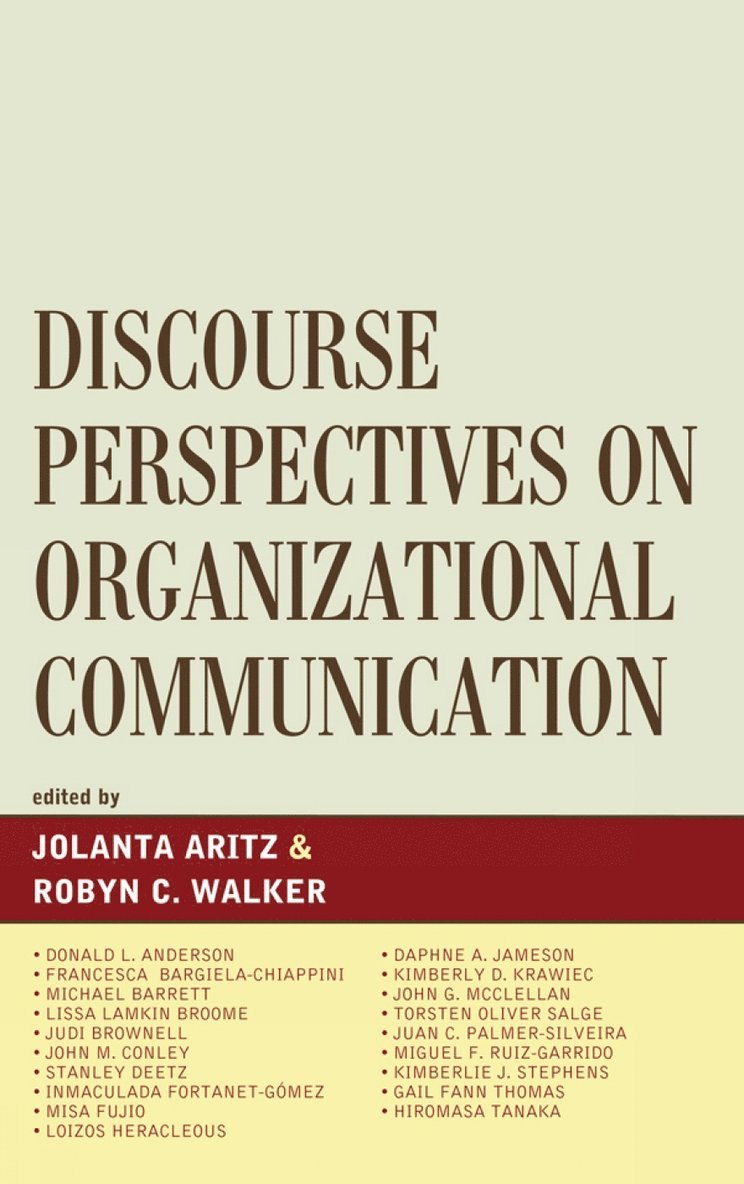
Discourse Perspectives on Organizational Communication
Jolanta Artiz, Robyn C. Walker
Inbunden, 2011
1 869 kr
Hoppa över listan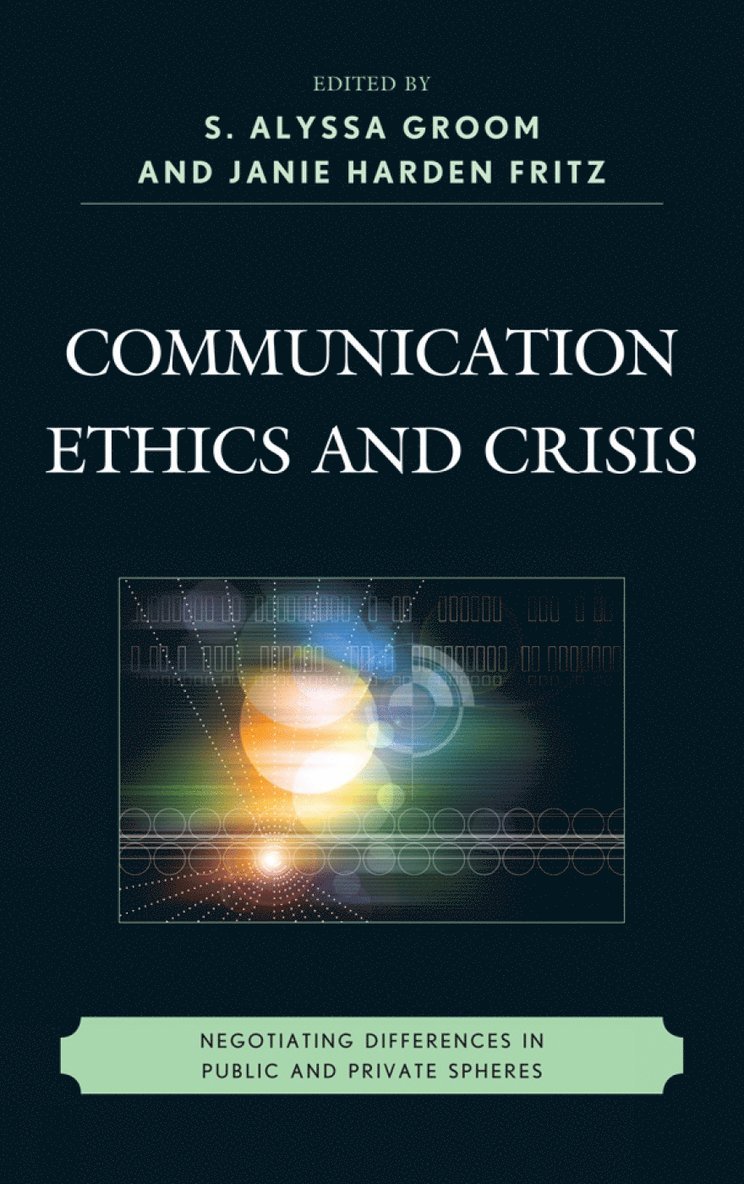








Du kanske också är intresserad av
- Nyhet
Del 3
- Nyhet
Del 11
- Nyhet
- Nyhet
- Nyhet
Del 4
Del 1
- Nyhet
Del 4
- Nyhet
Del 6