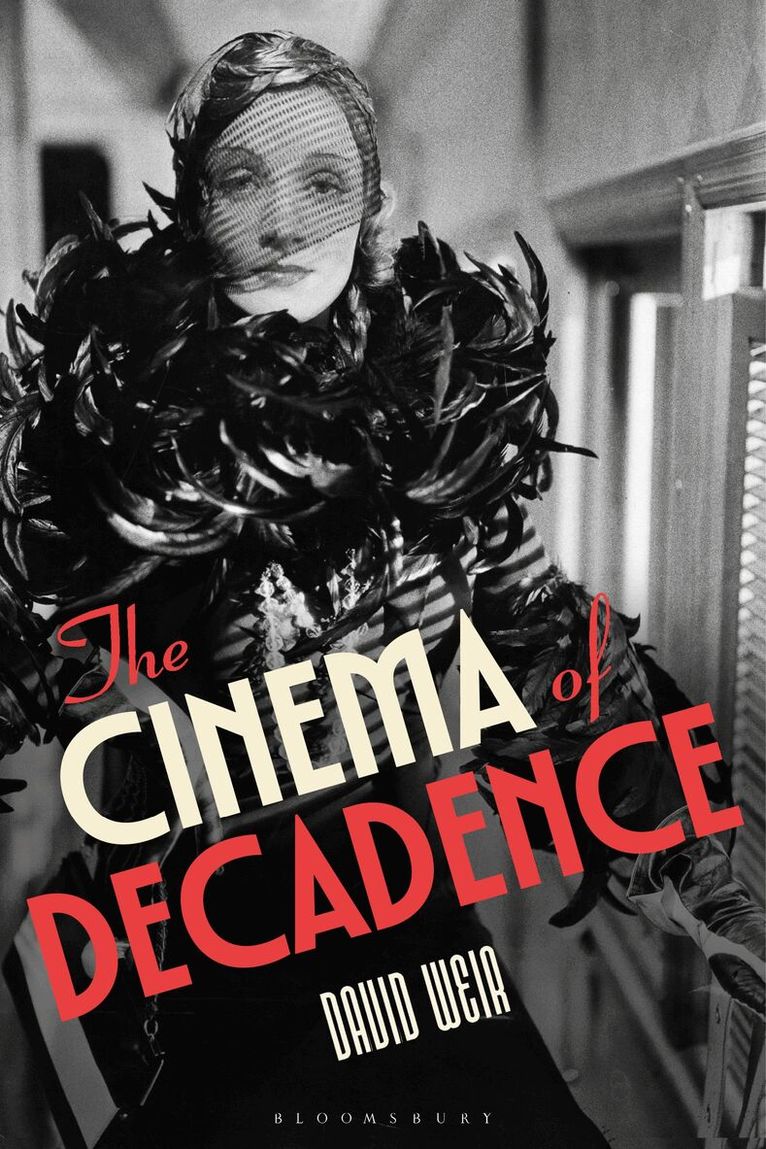
From the shadowy glamour of early European cinema to the bold visions of twenty-first-century filmmakers, The Cinema of Decadence traces a rich history of film shaped by excess, artifice and desire. Beginning with the decadent imagination of Baudelaire, Oscar Wilde and Frank Wedekind, David Weir explores how their ideas influenced silent-era filmmakers such as Erich von Stroheim, G. W. Pabst and Ernst Lubitsch, from the figure of the Vamp, immortalised by Theda Bara, to the fatal allure of Louise Brooks's Lulu in G. W. Pabst's Pandora's Box (1929). The book moves through Hollywood’s golden age, shaped by émigré artists such as Josef von Sternberg and Marlene Dietrich, and into European art cinema, with chapters on Fellini, Pasolini, Buñuel and Visconti. Weir follows decadence into the underground films of 1960s and 1970s New York, the distinctive aesthetics of Derek Jarman and Peter Greenaway, and contemporary reimaginings including Damien Chazelle’s Babylon (2022) and Yorgos Lanthimos’s Poor Things (2023). The result is a wide-ranging history of cinema’s fascination with beauty, corruption and transgressive pleasure.
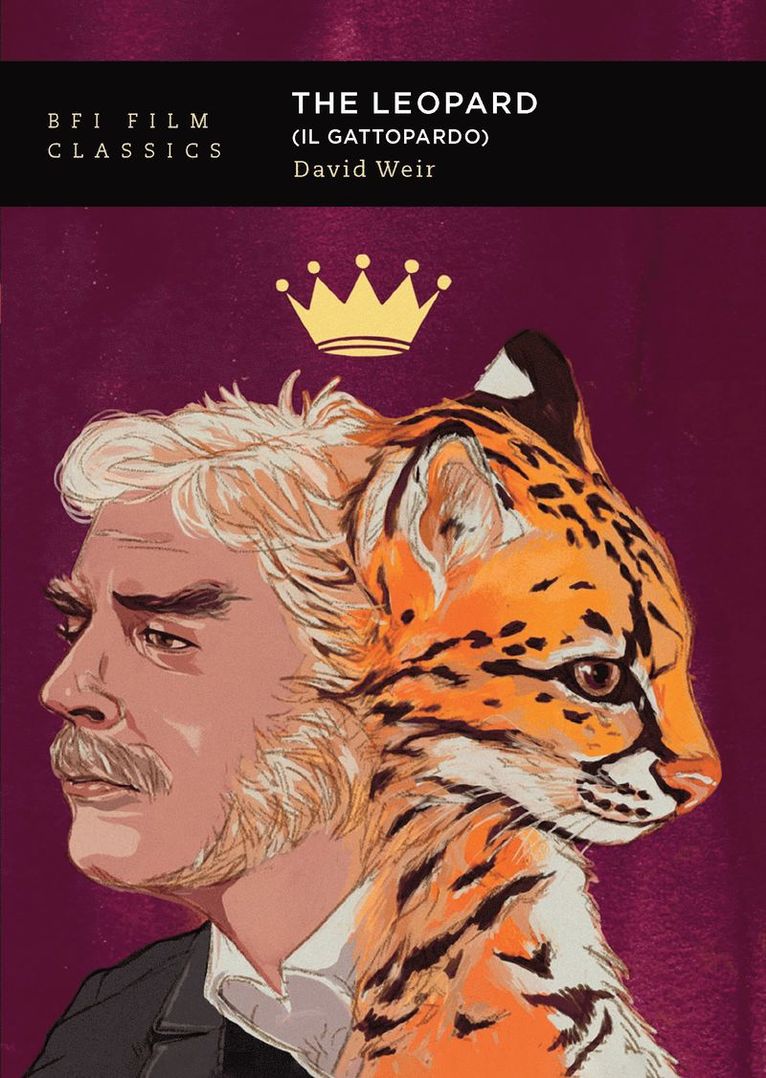
David Weir is Emeritus Professor of Comparative Literature at the Cooper Union, New York, USA. He is the author of books including Decadence and Literature (edited with Jane Desmarais, 2019); Decadence: A Very Short Introduction, (2018), and “Ulysses” Explained: How Homer, Dante, and Shakespeare Inform Joyce’s Modernist Vision (2015), as well as a study of Trouble in Paradise (2021) and The Leopard (2024) in the BFI Film Classics series.
PrefaceIntroduction1. Silent Decadence: The Attraction of Corruption 2. Hollywood Decadence: The Mirage of Morality 3. Art House Decadence: The Prestige of Perversity 4. Underground Decadence: The Taste for the Distasteful 5. Mainstream Decadence: The Cult of the Commercial Afterword
No twee romcoms for me. Throughout my life, I have only ever been interested in movies which were dark, excessive, artificial and gorgeously depraved. As enthusiastically as I might have devoured Pasolini, John Waters, David Lynch et al, I never paused to introspect about why I was delighting in the perversity and lurid excess of their oeuvres. Thanks to David Weir’s brilliant and encyclopedic breakdown of the glorious world of decadent celluloid, I now have a million rationales for my longstanding dodgy tastes.
From the shadowy glamour of early European cinema to the bold visions of twenty-first-century filmmakers, The Cinema of Decadence traces a rich history of film shaped by excess, artifice and desire. Beginning with the decadent imagination of Baudelaire, Oscar Wilde and Frank Wedekind, David Weir explores how their ideas influenced silent-era filmmakers such as Erich von Stroheim, G. W. Pabst and Ernst Lubitsch, from the figure of the Vamp, immortalised by Theda Bara, to the fatal allure of Louise Brooks's Lulu in G. W. Pabst's Pandora's Box (1929). The book moves through Hollywood’s golden age, shaped by émigré artists such as Josef von Sternberg and Marlene Dietrich, and into European art cinema, with chapters on Fellini, Pasolini, Buñuel and Visconti. Weir follows decadence into the underground films of 1960s and 1970s New York, the distinctive aesthetics of Derek Jarman and Peter Greenaway, and contemporary reimaginings including Damien Chazelle’s Babylon (2022) and Yorgos Lanthimos’s Poor Things (2023). The result is a wide-ranging history of cinema’s fascination with beauty, corruption and transgressive pleasure.
David Weir is Emeritus Professor of Comparative Literature at the Cooper Union, New York, USA. He is the author of books including Decadence and Literature (edited with Jane Desmarais, 2019); Decadence: A Very Short Introduction, (2018), and “Ulysses” Explained: How Homer, Dante, and Shakespeare Inform Joyce’s Modernist Vision (2015), as well as a study of Trouble in Paradise (2021) and The Leopard (2024) in the BFI Film Classics series.
PrefaceIntroduction1. Silent Decadence: The Attraction of Corruption 2. Hollywood Decadence: The Mirage of Morality 3. Art House Decadence: The Prestige of Perversity 4. Underground Decadence: The Taste for the Distasteful 5. Mainstream Decadence: The Cult of the Commercial Afterword
No twee romcoms for me. Throughout my life, I have only ever been interested in movies which were dark, excessive, artificial and gorgeously depraved. As enthusiastically as I might have devoured Pasolini, John Waters, David Lynch et al, I never paused to introspect about why I was delighting in the perversity and lurid excess of their oeuvres. Thanks to David Weir’s brilliant and encyclopedic breakdown of the glorious world of decadent celluloid, I now have a million rationales for my longstanding dodgy tastes.