
Del i serien Routledge Explorations in Development Studies
China's Foreign Relations and the Survival of Autocracies
Inbunden, Engelska, 2014
3 209 kr
Beställningsvara. Skickas inom 10-15 vardagar. Fri frakt för medlemmar vid köp för minst 249 kr.
Finns i fler format (1)
The Chinese government has frequently been criticized for propping up anti-democratic governments. This book investigates the rise of China as an emerging authoritarian power. By comparing China’s bilateral relations to three Asian developing countries – Burma, Cambodia and Mongolia – it examines how China targets specific groups of actors in autocracies versus non-autocracies. It illustrates how the Chinese non-interference policy translates into support for incumbent leaders in autocratic countries and how the Chinese government has thereby profited from exploiting secretive decision making in autocracies to realize its own external interests such as achieving access to natural resources. In a statistical analysis of the patterns of Chinese external cooperation and their impact on the survival of autocratic leaders, the book finds some evidence that China is more likely to target autocracies with economic cooperation. However, only some forms of bilateral interaction are found to increase the prospect of survival for autocratic leaders.This important contribution to the understanding of both external factors of authoritarian endurance and China’s foreign relations, a field of study still lacking systematic investigation, will be of great interest to students and researchers in Development Studies, Asian Studies, International Relations, and International Political Economy.
Produktinformation
- Utgivningsdatum2014-11-07
- Mått156 x 234 x 19 mm
- Vikt476 g
- FormatInbunden
- SpråkEngelska
- SerieRoutledge Explorations in Development Studies
- Antal sidor222
- FörlagTaylor & Francis Ltd
- ISBN9780415660952
Tillhör följande kategorier
Hoppa över listan


Mer från samma författare
Umsatzsteuerrecht visualisiert
Julia Bader, Gabi Meissner, Julia Daubenmerkl, Matthias Groschupp, Filiz Susar, Aleksandra Wisnioch
Inbunden, 2026
869 kr
Hoppa över listan


Mer från samma serie
Power of Civil Society in the Middle East and North Africa
Ibrahim Natil, Chiara Pierobon, Lilian Tauber
Inbunden, 2019
3 209 kr
Critical Reflections on Public Private Partnerships
Jasmine Gideon, Elaine Unterhalter
Inbunden, 2020
3 209 kr
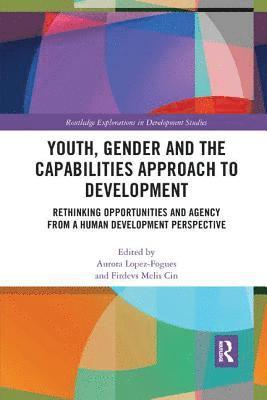
Youth, Gender and the Capabilities Approach to Development
Aurora Lopez-Fogues, Firdevs Melis Cin
Häftad, 2019
1 049 kr
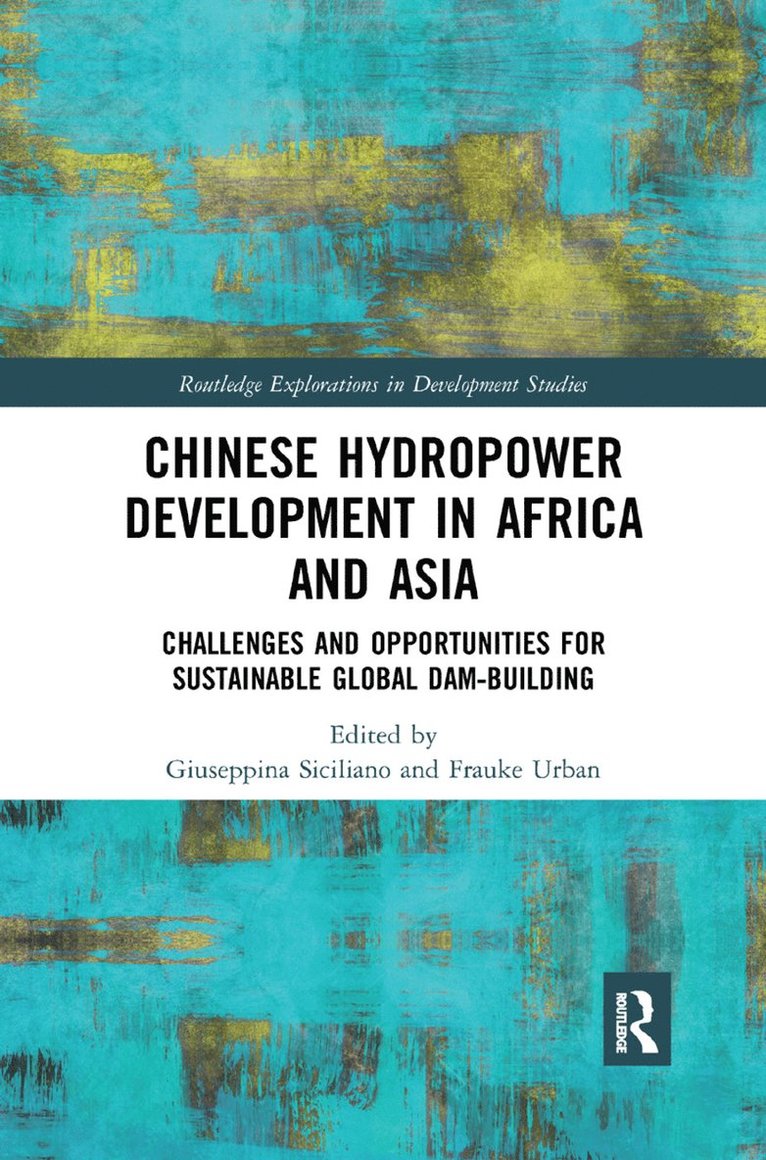
Chinese Hydropower Development in Africa and Asia
Giuseppina Siciliano, Frauke Urban
Häftad, 2019
1 049 kr
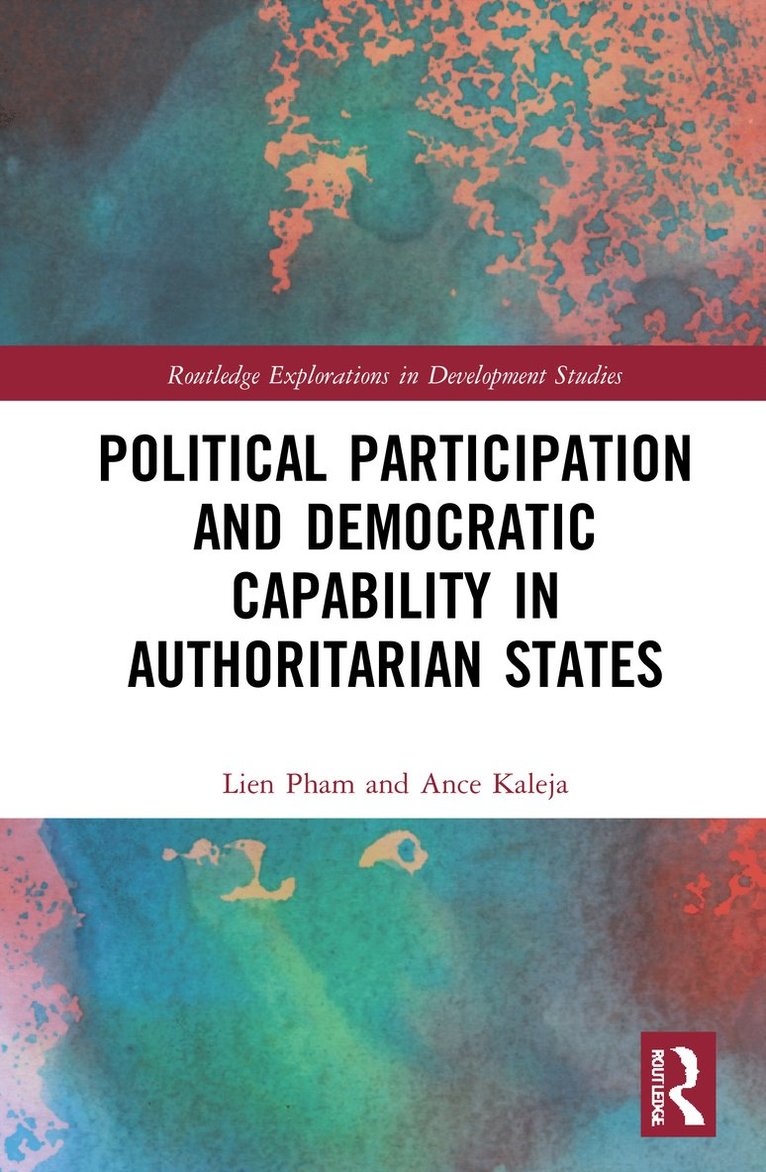
Political Participation and Democratic Capability in Authoritarian States
Lien Pham, Ance Kaleja
Inbunden, 2021
3 209 kr
Hoppa över listan






Du kanske också är intresserad av
Umsatzsteuerrecht visualisiert
Julia Bader, Gabi Meissner, Julia Daubenmerkl, Matthias Groschupp, Filiz Susar, Aleksandra Wisnioch
Inbunden, 2026
869 kr
- Nyhet
Del 3
- Nyhet
Del 11
- Nyhet
Del 6
- Nyhet
Del 4
Del 3
Del 1