
Del i serien SUNY series, Horizons in the Philosophy of Education
Childhood, Philosophy, and Dialogical Education
(R)evolutionary Essays
Häftad, Engelska, 2025
469 kr
Skickas . Fri frakt för medlemmar vid köp för minst 249 kr.
Finns i fler format (1)
Offers both theoretical and practical insights into the dialogue between adults and children as a democratic model for schooling.Childhood, Philosophy, and Dialogical Education explores the history and prospects of democratic, dialogical education, and its promise as an engine of social and cultural evolution, especially in the context of the cultural and social site dedicated to the adult-child encounter: the school. Drawing on three historical narratives-of childhood, of subjectivity (psychohistory), and of education-the author offers the possibility of a form of schooling that fosters democratic sensibilities and teaches direct democracy through actual practice.
Produktinformation
- Utgivningsdatum2025-04-02
- Mått152 x 229 x 19 mm
- Vikt318 g
- FormatHäftad
- SpråkEngelska
- SerieSUNY series, Horizons in the Philosophy of Education
- Antal sidor220
- FörlagState University of New York Press
- ISBN9781438499444
Tillhör följande kategorier
Hoppa över listan




Mer från samma författare
Law and Economics with Chinese Characteristics
David Kennedy, Joseph E. Stiglitz
Inbunden, 2013
2 679 kr
Law and Economics with Chinese Characteristics
David Kennedy, Joseph E. Stiglitz, David Kennedy, Joseph E. Stiglitz
Häftad, 2013
1 139 kr
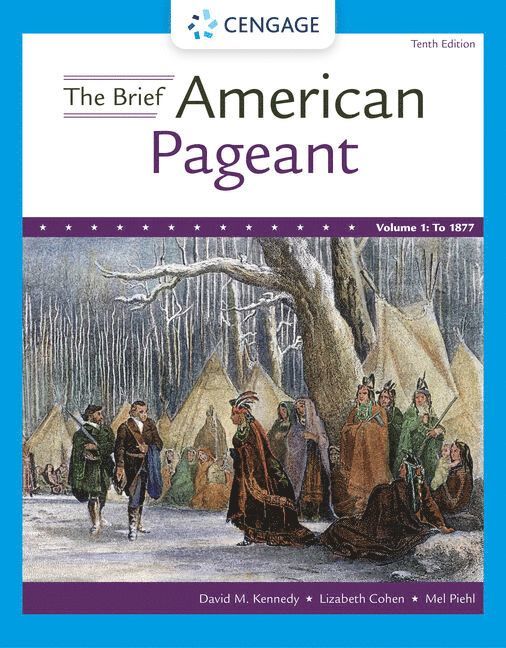
The Brief American Pageant: A History of the Republic, Volume I: To 1877
David Kennedy, Lizabeth Cohen, Mel Piehl
Häftad, 2022
1 319 kr
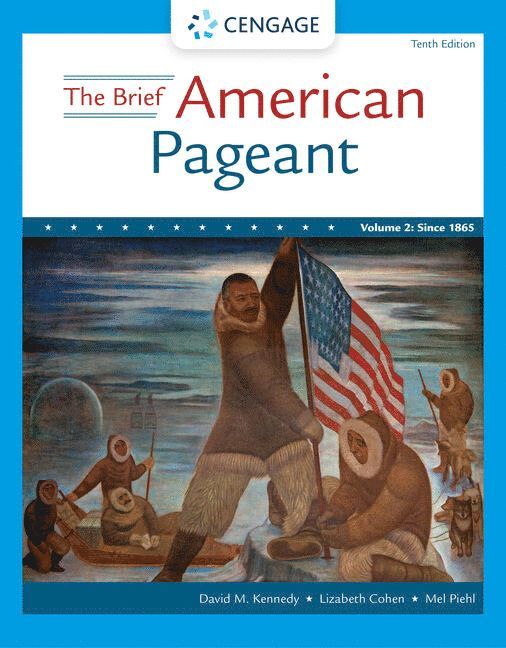
The Brief American Pageant: A History of the Republic, Volume II: Since 1865
David Kennedy, Lizabeth Cohen, Mel Piehl
Häftad, 2022
1 389 kr