
Del i serien Berit Olam
Berit Olam: Joshua
Inbunden, Engelska, 2000
1 089 kr
Beställningsvara. Skickas inom 3-6 vardagar. Fri frakt för medlemmar vid köp för minst 249 kr.
Finns i fler format (1)
What does Joshua hold to be the essential marks of Israelite identity? What distinguishes Israel from all other peoples? In tracking these themes, L. Daniel Hawk reveals in Joshua a profound struggle to define the people of the God of Israel.Hawk shows that the themes surrounding Joshua express fundamental markers of national identity: religious practice (obedience to the commandments of Moses), ethnic separation (extermination of the peoples of Canaan), and possession of land ("the land that YHWH gives"). Through the medium of narrative, Joshua tests each of these markers and demonstrates that none clearly characterize the people of God. Instead, Joshua presents Israel as a nation fundamentally constituted by choosing: YHWH's choosing of Israel and Israel's choosing of YHWH.In the present day in which ideologies of religion, race, and territorial possession have given rise to countless expressions of violence, Hawk expresses the particular value of reading Joshua. The Joshua story holds a mirror up to all who regard themselves as the people of God. The reflection is both repelling and inspiring but until we confront it, what it truly means to be the chosen people of God will remain elusive.Chapters are "Rights of Passage (1:1-18)," "Who's Who in the Promised Land? (2:1-12:24)," "Strangers in the Night (2:1-24)," "Changing State (3:1-4:24)," "First Things First (5:1-15)," "Going in Circles (6:1-27)," "Ai Spy (7:1-8:35)," "Foiled Again (9:1-10:27)," "Conquering Canaanites (10:28-12:24)," "Organizing Israel (13:1-21:45)," "Altar Egos (22:1-34)," "Unfinished Business (23:1-18)," and "Decisions, Decisions (24:1-33)." Includes twelve charts that lay out structural features of the book.
Produktinformation
- Utgivningsdatum2000-12-01
- Mått152 x 229 x 16 mm
- Vikt680 g
- FormatInbunden
- SpråkEngelska
- SerieBerit Olam
- Antal sidor336
- FörlagLiturgical Press
- ISBN9780814650424
Tillhör följande kategorier
Hoppa över listan



Mer från samma författare
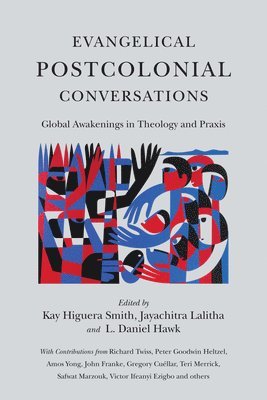
Evangelical Postcolonial Conversations
Kay Higuera Smith, Jayachitra Lalitha, L. Daniel Hawk
Häftad, 2014
469 kr
Undoing Manifest Destiny: Settler America, Christian Colonists, and the Pursuit of Justice
L. Daniel Hawk
Häftad, 2026
399 kr
Hoppa över listan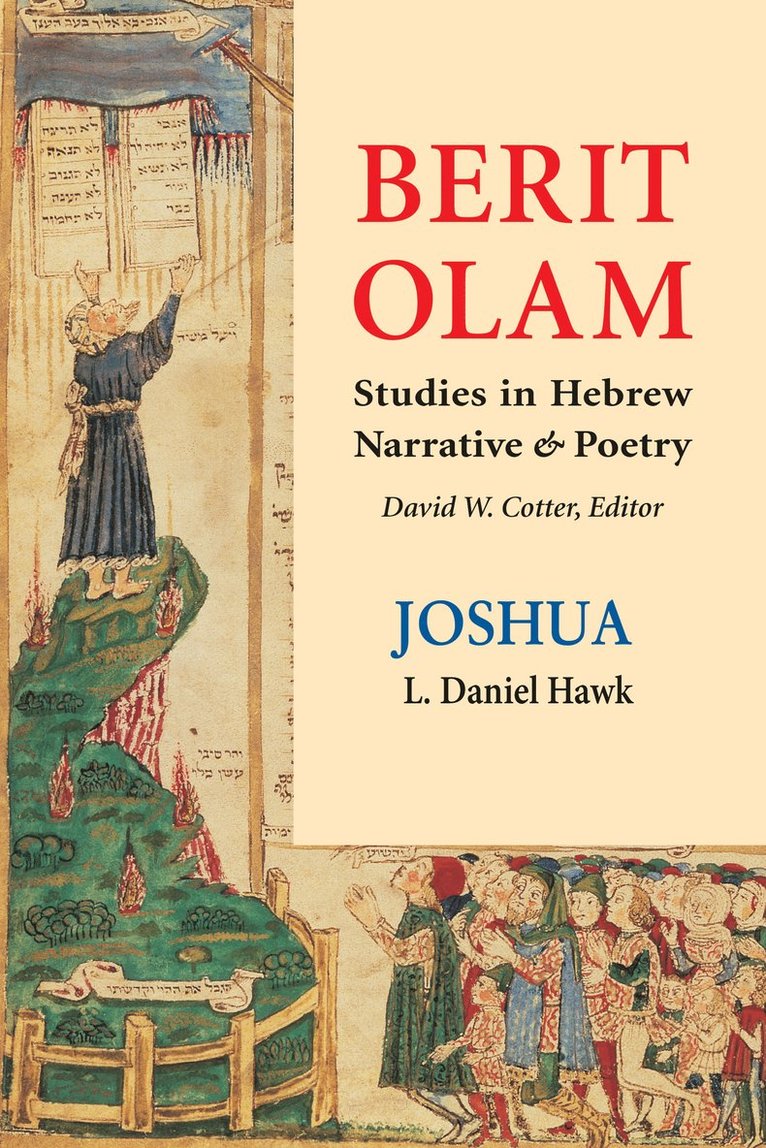

Du kanske också är intresserad av
Evangelical Postcolonial Conversations
Kay Higuera Smith, Jayachitra Lalitha, L. Daniel Hawk
Häftad, 2014
469 kr
Undoing Manifest Destiny: Settler America, Christian Colonists, and the Pursuit of Justice
L. Daniel Hawk
Häftad, 2026
399 kr
- Nyhet
Del 3