
Ascent to Glory
How One Hundred Years of Solitude Was Written and Became a Global Classic
Inbunden, Engelska, 2020
1 689 kr
Beställningsvara. Skickas inom 5-8 vardagar. Fri frakt för medlemmar vid köp för minst 249 kr.
Finns i fler format (1)
Gabriel García Márquez’s novel One Hundred Years of Solitude seemed destined for obscurity upon its publication in 1967. The little-known author, small publisher, magical style, and setting in a remote Caribbean village were hardly the usual ingredients for success in the literary marketplace. Yet today it ranks among the best-selling books of all time. Translated into dozens of languages, it continues to enter the lives of new readers around the world. How did One Hundred Years of Solitude achieve this unlikely success? And what does its trajectory tell us about how a work of art becomes a classic?Ascent to Glory is a groundbreaking study of One Hundred Years of Solitude, from the moment García Márquez first had the idea for the novel to its global consecration. Using new documents from the author’s archives, Álvaro Santana-Acuña shows how García Márquez wrote the novel, going beyond the many legends that surround it. He unveils the literary ideas and networks that made possible the book’s creation and initial success. Santana-Acuña then follows this novel’s path in more than seventy countries on five continents and explains how thousands of people and organizations have helped it to become a global classic. Shedding new light on the novel’s imagination, production, and reception, Ascent to Glory is an eye-opening book for cultural sociologists and literary historians as well as for fans of García Márquez and One Hundred Years of Solitude.
Produktinformation
- Utgivningsdatum2020-08-11
- Mått156 x 235 x undefined mm
- FormatInbunden
- SpråkEngelska
- Antal sidor384
- FörlagColumbia University Press
- ISBN9780231184328
Tillhör följande kategorier
Hoppa över listan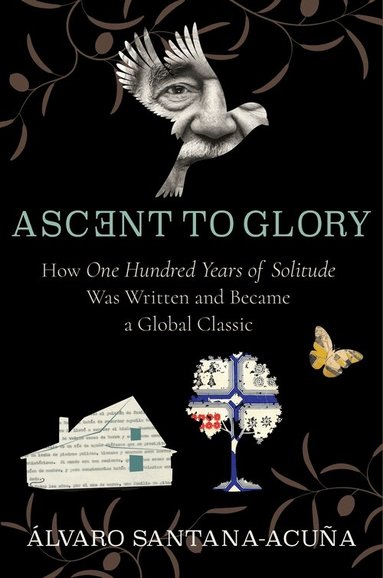




Du kanske också är intresserad av
- Nyhet
Del 3
- Nyhet
Del 7
- Nyhet
Del 4
- Nyhet
Del 1
- Nyhet
- Nyhet
Del 6
- Nyhet
Del 11