
Del 9 i serien AnthropoScene
Art of Identification
Forensics, Surveillance, Identity
Inbunden, Engelska, 2021
2 039 kr
Beställningsvara. Skickas inom 5-8 vardagar. Fri frakt för medlemmar vid köp för minst 249 kr.
Finns i fler format (1)
Since the mid-nineteenth century, there has been a notable acceleration in the development of the techniques used to confirm identity. From fingerprints to photographs to DNA, we have been rapidly amassing novel means of identification, even as personal, individual identity remains a complex chimera. The Art of Identification examines how such processes are entangled within a wider sphere of cultural identity formation.Against the backdrop of an unstable modernity and the rapid rise and expansion of identificatory techniques, this volume makes the case that identity and identification are mutually imbricated and that our best understanding of both concepts and technologies comes through the interdisciplinary analysis of science, bureaucratic infrastructures, and cultural artifacts. With contributions from literary critics, cultural historians, scholars of film and new media, a forensic anthropologist, and a human bioarcheologist, this book reflects upon the relationship between the bureaucratic, scientific, and technologically determined techniques of identification and the cultural contexts of art, literature, and screen media. In doing so, it opens the interpretive possibilities surrounding identification and pushes us to think about it as existing within a range of cultural influences that complicate the precise formulation, meaning, and reception of the concept.In addition to the editors, the contributors to this volume include Dorothy Butchard, Patricia E. Chu, Jonathan Finn, Rebecca Gowland, Liv Hausken, Matt Houlbrook, Rob Lederer, Andrew Mangham, Victoria Stewart, and Tim Thompson.
Produktinformation
- Utgivningsdatum2021-08-13
- Mått152 x 229 x 25 mm
- Vikt522 g
- FormatInbunden
- SpråkEngelska
- SerieAnthropoScene
- Antal sidor262
- FörlagPennsylvania State University Press
- ISBN9780271090573
Tillhör följande kategorier
Hoppa över listan



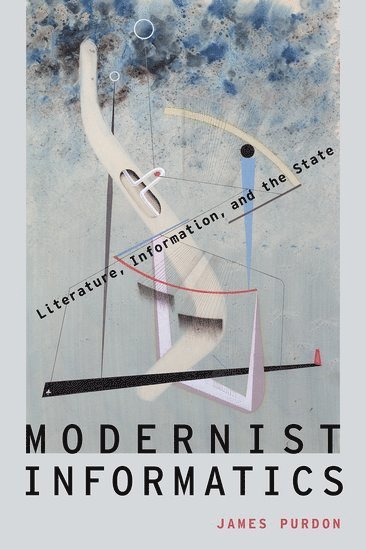





Du kanske också är intresserad av
Del 9
Art of Identification
Rex Ferguson, Rex Ferguson, Melissa M. Littlefield, James Purdon
Häftad, 2024
599 kr