
Del i serien Anthropology & ...
Anthropology and Political Science
A Convergent Approach
Häftad, Engelska, 2014
569 kr
Beställningsvara. Skickas inom 5-8 vardagar. Fri frakt för medlemmar vid köp för minst 249 kr.
Finns i fler format (1)
What can anthropology and political science learn from each other? The authors argue that collaboration, particularly in the area of concepts and methodologies, is tremendously beneficial for both disciplines, though they also deal with some troubling aspects of the relationship. Focusing on the influence of anthropology on political science, the book examines the basic assumptions the practitioners of each discipline make about the nature of social and political reality, compares some of the key concepts each field employs, and provides an extensive review of the basic methods of research that “bridge” both disciplines: ethnography and case study. Through ethnography (participant observation), reliance on extended case studies, and the use of “anthropological” concepts and sensibilities, a greater understanding of some of the most challenging issues of the day can be gained. For example, political anthropology challenges the illusion of the “autonomy of the political” assumed by political science to characterize so-called modern societies. Several chapters include a cross-disciplinary analysis of key concepts and issues: political culture, political ritual, the politics of collective identity, democratization in divided societies, conflict resolution, civil society, and the politics of post-Communist transformations.
Produktinformation
- Utgivningsdatum2014-11-01
- Mått152 x 229 x 20 mm
- Vikt494 g
- FormatHäftad
- SpråkEngelska
- SerieAnthropology & ...
- Antal sidor368
- FörlagBerghahn Books
- ISBN9781782386698
Tillhör följande kategorier
Hoppa över listan
Mer från samma författare
Power and Ritual in the Israel Labor Party: A Study in Political Anthropology
Myron J. Aronoff
Inbunden, 1993
3 219 kr
Power and Ritual in the Israel Labor Party: A Study in Political Anthropology
Myron J. Aronoff
Häftad, 1993
829 kr
Hoppa över listan

Mer från samma serie
Del 4
Anthropology and Philosophy
Sune Liisberg, Esther Oluffa Pedersen, Anne Line Dalsgård
Häftad, 2017
669 kr
Hoppa över listan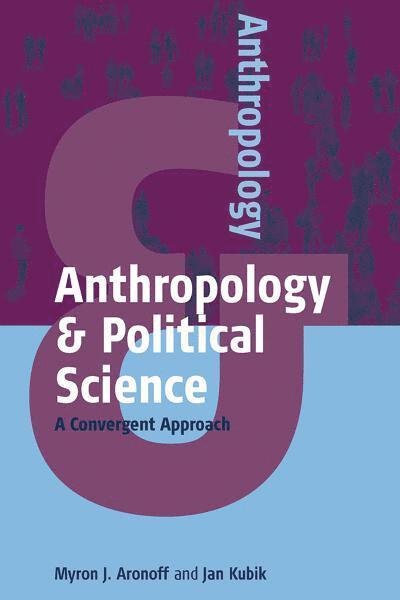


Du kanske också är intresserad av
Power and Ritual in the Israel Labor Party: A Study in Political Anthropology
Myron J. Aronoff
Häftad, 1993
829 kr
Power and Ritual in the Israel Labor Party: A Study in Political Anthropology
Myron J. Aronoff
Inbunden, 1993
3 219 kr