
Del i serien Transits: Literature, Thought & Culture, 1650–1850
Anna Letitia Barbauld
New Perspectives
Häftad, Engelska, 2015
1 259 kr
Beställningsvara. Skickas inom 10-15 vardagar. Fri frakt för medlemmar vid köp för minst 249 kr.
Anna Letitia Barbauld: New Perspectives is the first collection of essays on poet and public intellectual Anna Letitia Barbauld (1743–1825). By international scholars of eighteenth-century and Romantic British literature, these new essays survey Barbauld’s writing from early to late: her versatility as a stylist, her poetry, her books for children, her political writing, her performance as editor and reviewer. They explore themes of sociability, materiality, and affect in Barbauld’s writing, and trace her reception and influence. Rooted in enlightenment philosophy and ethics and dissenting religion, Barbauld’s work exerted a huge impact on the generation of Wordsworth and Coleridge, and on education and ideas about childhood far into the nineteenth century. William McCarthy’s introduction explores the importance of Barbauld’s work today, and co-editor Olivia Murphy assesses the commentary on Barbauld that followed her rediscovery in the early 1990s. Anna Letitia Barbauld: New Perspectives is the indispensible introduction to Barbauld’s work and current thinking about it.
Produktinformation
- Utgivningsdatum2015-12-16
- Mått152 x 225 x 29 mm
- Vikt617 g
- FormatHäftad
- SpråkEngelska
- SerieTransits: Literature, Thought & Culture, 1650–1850
- Antal sidor404
- FörlagAssociated University Presses
- ISBN9781611487121
Tillhör följande kategorier
Hoppa över listan

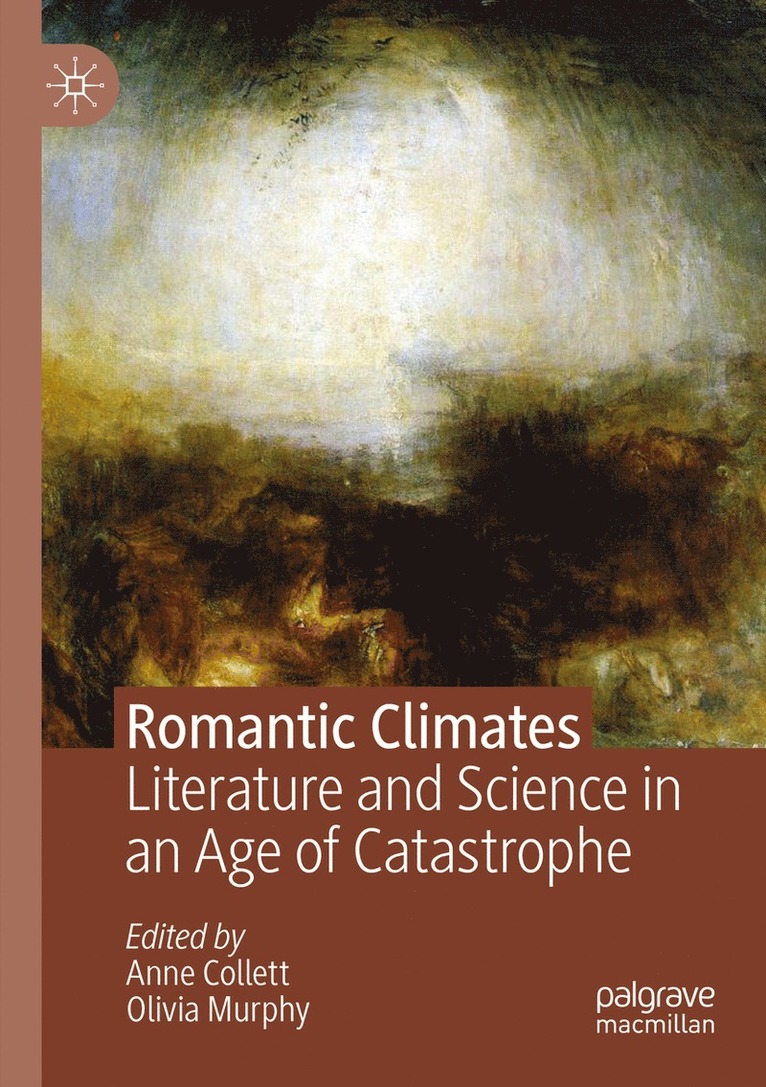
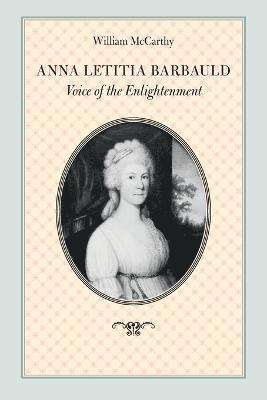


Du kanske också är intresserad av
The Collected Works of Anna Letitia Barbauld: Volume 4
Scott Krawczyk, William McCarthy
Inbunden, 2024
4 779 kr
The Collected Works of Anna Letitia Barbauld: Anna Letitia Barbauld: The Poems, Revised
William McCarthy
Inbunden, 2019
4 979 kr
- Nyhet
Del 3