
Anatomy of a Civil War
Sociopolitical Impacts of the Kurdish Conflict in Turkey
Inbunden, Engelska, 2018
919 kr
Beställningsvara. Skickas inom 5-8 vardagar. Fri frakt för medlemmar vid köp för minst 249 kr.
Anatomy of a Civil War demonstrates the destructive nature of war, ranging from the physical to the psychosocial, as well as war’s detrimental effects on the environment. Despite such horrific aspects, evidence suggests that civil war is likely to generate multilayered outcomes. To examine the transformative aspects of civil war, Mehmet Gurses draws on an original survey conducted in Turkey, where a Kurdish armed group, the Kurdistan Workers’ Party (PKK), has been waging an intermittent insurgency for Kurdish self-rule since 1984. Findings from a probability sample of 2,100 individuals randomly selected from three major Kurdish-populated provinces in the eastern part of Turkey, coupled with insights from face-to-face in-depth interviews with dozens of individuals affected by violence, provide evidence for the multifaceted nature of exposure to violence during civil war. Just as the destructive nature of war manifests itself in various forms and shapes, wartime experiences can engender positive attitudes toward women, create a culture of political activism, and develop secular values at the individual level. In addition, wartime experiences seem to robustly predict greater support for political activism. Nonetheless, changes in gender relations and the rise of a secular political culture appear to be primarily shaped by wartime experiences interacting with insurgent ideology.
Produktinformation
- Utgivningsdatum2018-10-30
- Mått152 x 229 x undefined mm
- FormatInbunden
- SpråkEngelska
- Antal sidor192
- FörlagThe University of Michigan Press
- ISBN9780472131006
Tillhör följande kategorier
Hoppa över listan
Mer från samma författare
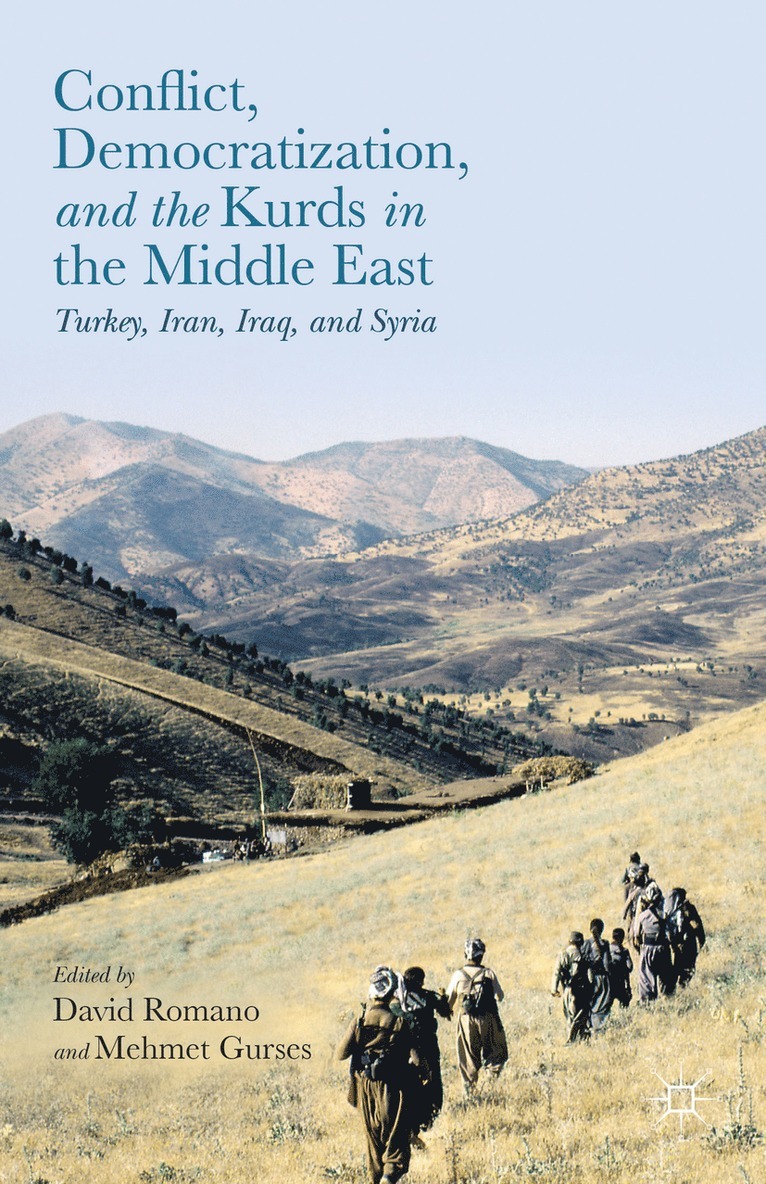
Conflict, Democratization, and the Kurds in the Middle East
David Romano, Mehmet Gurses, David Romano, Mehmet Gurses
Inbunden, 2014
1 439 kr
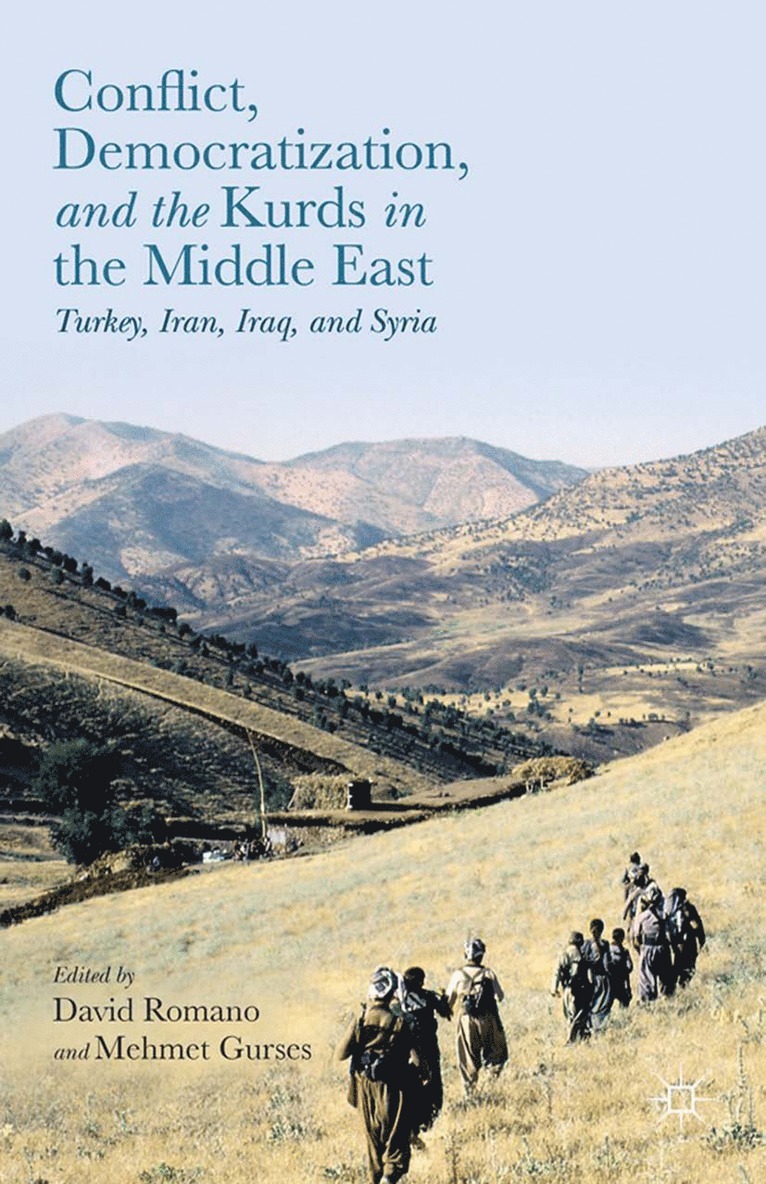
Conflict, Democratization, and the Kurds in the Middle East
David Romano, Mehmet Gurses
Häftad, 2014
1 579 kr
Hoppa över listan




Du kanske också är intresserad av
Conflict, Democratization, and the Kurds in the Middle East
David Romano, Mehmet Gurses, David Romano, Mehmet Gurses
Inbunden, 2014
1 439 kr
Conflict, Democratization, and the Kurds in the Middle East
David Romano, Mehmet Gurses
Häftad, 2014
1 579 kr
- Nyhet
Del 3
- Nyhet
Del 11
- Nyhet
Del 6
Del 1
- Nyhet
Del 4
Del 3