
Del i serien Rethinking Art's Histories
Almost Nothing
Observations on Precarious Practices in Contemporary Art
Häftad, Engelska, 2016
489 kr
Beställningsvara. Skickas inom 5-8 vardagar. Fri frakt för medlemmar vid köp för minst 249 kr.
What does an assemblage made out of crumpled newspaper have in common with an empty room in which the lights go on and off every five seconds? This book argues that they are both examples of a 'precarious' art that flourished from the late 1950s to the first decade of the twenty-first century, in light of a growing awareness of the individual's fragile existence in capitalist society.Focusing on comparative case studies drawn from European, North and South American practices, this study maps out a network of similar concerns and practices, while outlining its evolution from the 1960s to the beginning of the twenty-first century. This book will provide students and amateurs of contemporary art and culture with new insights into contemporary art practices and the critical issues that they raise concerning the material status of the art object, the role of the artist in society, and the relation between art and everyday life.
Produktinformation
- Utgivningsdatum2016-12-08
- Mått156 x 234 x 18 mm
- Vikt485 g
- FormatHäftad
- SpråkEngelska
- SerieRethinking Art's Histories
- Antal sidor344
- FörlagManchester University Press
- ISBN9781526112903
Tillhör följande kategorier
Hoppa över listan

Mer från samma författare
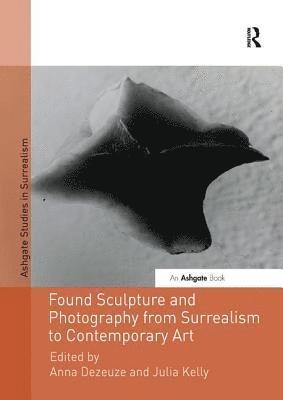
Found Sculpture and Photography from Surrealism to Contemporary Art
Anna Dezeuze, Julia Kelly
Häftad, 2018
1 069 kr
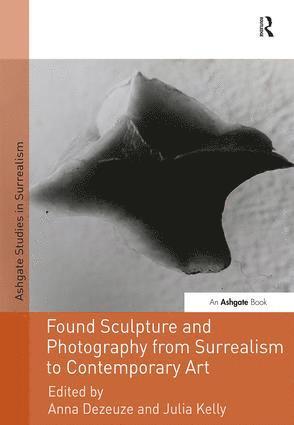
Found Sculpture and Photography from Surrealism to Contemporary Art
Anna Dezeuze, Julia Kelly
Inbunden, 2013
3 309 kr
Hoppa över listan



Du kanske också är intresserad av
Found Sculpture and Photography from Surrealism to Contemporary Art
Anna Dezeuze, Julia Kelly
Inbunden, 2013
3 309 kr
Found Sculpture and Photography from Surrealism to Contemporary Art
Anna Dezeuze, Julia Kelly
Häftad, 2018
1 069 kr
- Nyhet
Del 11
- Nyhet
Del 3
- Nyhet
Del 3
- Nyhet
Del 4