
Del i serien Routledge Critical Development Studies
Agrarian Extractivism in Latin America
Inbunden, Engelska, 2021
3 279 kr
Beställningsvara. Skickas inom 10-15 vardagar. Fri frakt för medlemmar vid köp för minst 249 kr.
Finns i fler format (1)
Amid the growing calls for a turn towards sustainable agriculture, this book puts forth and discusses the concept of agrarian extractivism to help us identify and expose the predatory extractivist features of dominant agricultural development models.The concept goes beyond the more apparent features of monocultures and raw material exports to examine the inherent logic and underlying workings of a model based on the appropriation of an ever-growing range of commodified and non-commodified human and non-human nature in an extractivist fashion. Such a process erodes the autonomy of resourcedependent working people, dispossesses the rural poor, exhausts and expropriates nature, and concentrates value in a few hands as a result of the unquenchable drive for profit by big business. In many instances, such extractivist dynamics are subsidized and/or directly supported by the state, while also dependent on the unpaid, productive, and reproductive labour of women, children, and elders, exacerbating unequal class, gender, and generational relations. Rather than a one-size-fits-all definition of agrarian extractivism, this collection points to the diversity of extractivist features of corporate-led, external-input-dependent plantation agriculture across distinct socio-ecological formations in Latin America.This timely challenge to the destructive dominant models of agricultural development will interest scholars, activists, researchers, and students from across the fields of critical development studies, rural studies, environmental and sustainability studies, and Latin American studies, among others.
Produktinformation
- Utgivningsdatum2021-05-31
- Mått156 x 234 x 17 mm
- Vikt453 g
- FormatInbunden
- SpråkEngelska
- SerieRoutledge Critical Development Studies
- Antal sidor214
- FörlagTaylor & Francis Ltd
- ISBN9780367422547
Tillhör följande kategorier
Hoppa över listan
Mer från samma författare
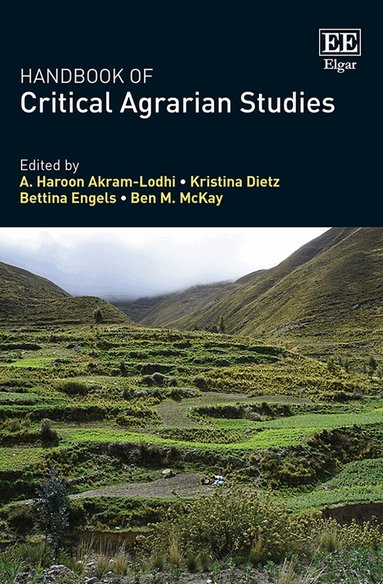
Handbook of Critical Agrarian Studies
A. H. Akram-Lodhi, Kristina Dietz, Bettina Engels, Ben M. McKay
Häftad, 2023
1 089 kr
Del 4
Del 4
Handbook of Critical Agrarian Studies
A. H. Akram-Lodhi, Kristina Dietz, Bettina Engels, Ben M. McKay
Inbunden, 2021
6 709 kr
Hoppa över listan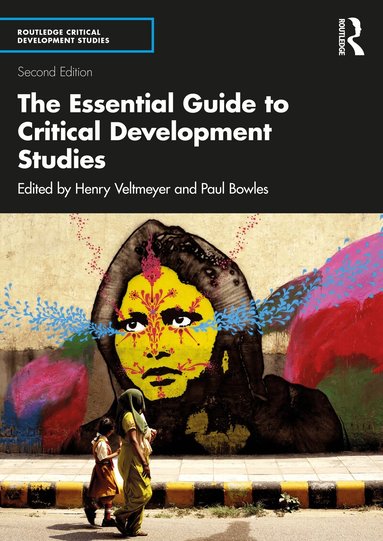
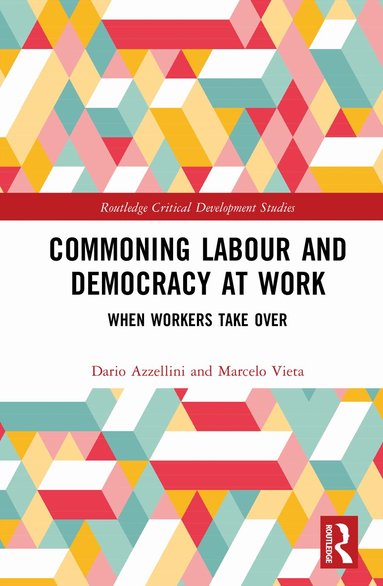
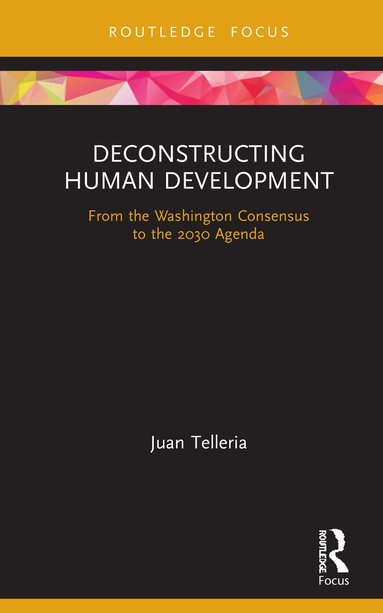

Mer från samma serie
Buen Vivir and the Challenges to Capitalism in Latin America
Henry Veltmeyer, Edgar Lau
Inbunden, 2020
3 279 kr
Buen Vivir and the Challenges to Capitalism in Latin America
Henry Veltmeyer, Edgar Lau
Häftad, 2023
899 kr
Hoppa över listan
Du kanske också är intresserad av
Agrarian Extractivism in Latin America
Ben M. McKay, Alberto Alonso-Fradejas, Arturo Ezquerro-Cañete
Häftad, 2021
809 kr
Handbook of Critical Agrarian Studies
A. H. Akram-Lodhi, Kristina Dietz, Bettina Engels, Ben M. McKay
Häftad, 2023
1 089 kr
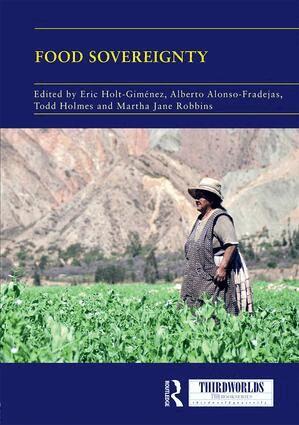
Food Sovereignty
Eric Holt-Gimenez, Alberto Alonso-Fradejas, Todd Holmes, Martha Jane Robbins
Inbunden, 2017
3 279 kr
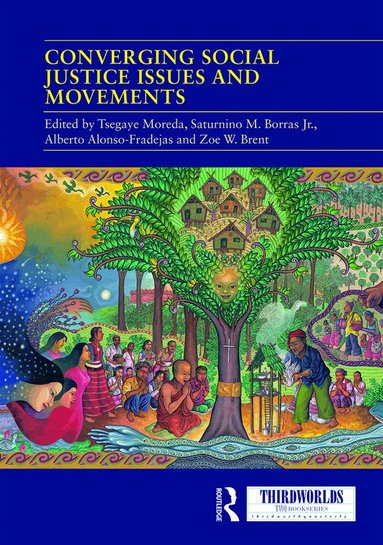
Converging Social Justice Issues and Movements
Tsegaye Moreda, Saturnino M. Borras Jr., Alberto Alonso-Fradejas, Zoe W. Brent
Inbunden, 2019
3 279 kr
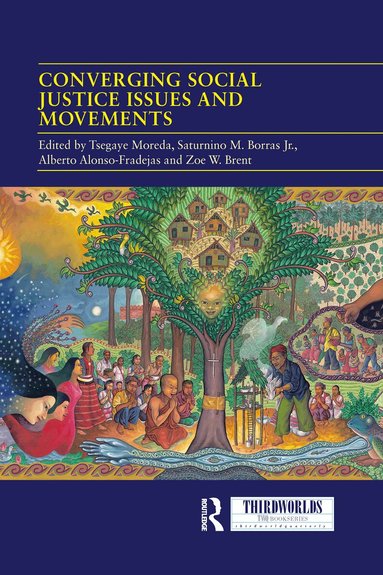
Converging Social Justice Issues and Movements
Tsegaye Moreda, Saturnino M. Borras Jr., Alberto Alonso-Fradejas, Zoe W. Brent
Häftad, 2021
899 kr
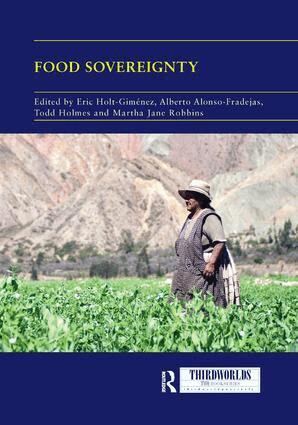
Food Sovereignty
Eric Holt-Gimenez, Alberto Alonso-Fradejas, Todd Holmes, Martha Jane Robbins
Häftad, 2018
979 kr