
Del i serien Global Security in a Changing World
Africa's New Peace and Security Architecture
Promoting Norms, Institutionalizing Solutions
Inbunden, Engelska, 2010
3 219 kr
Beställningsvara. Skickas inom 10-15 vardagar. Fri frakt för medlemmar vid köp för minst 249 kr.
Finns i fler format (1)
This volume offers an informed and critical analysis of the operationalization and institutionalization of the peace and security architecture by the African Union and Africa's Regional Economic Communities (RECs). In creating this architecture, the African Union and the RECs tread new ground with potentially significant consequences to the lives and livelihoods of millions of Africans who are affected by war and armed conflict. In-depth, critical chapters inform, clarify and provide key points for reflection on the architecture as a whole as well as on each of the structures currently under implementation. The volume examines the institutions that will carry the mandate forward, raises pertinent research questions for the successful operationalization of the architecture and debates the medium and long-term challenges to implementation. Students and researchers of African approaches to peace building, conflict resolution and regional security will benefit from the deep and critical engagement of issues covered in this volume by world renowned scholars and practitioners.
Produktinformation
- Utgivningsdatum2010-04-01
- Mått156 x 234 x 20 mm
- Vikt453 g
- FormatInbunden
- SpråkEngelska
- SerieGlobal Security in a Changing World
- Antal sidor200
- FörlagTaylor & Francis Ltd
- ISBN9780754676058
Tillhör följande kategorier
Hoppa över listan


Du kanske också är intresserad av
Del 4
African Non-Military Conflict Intervention Practices
Antonia Witt, Christof Hartmann, Ulf Engel
Inbunden, 2025
3 219 kr
Del 2
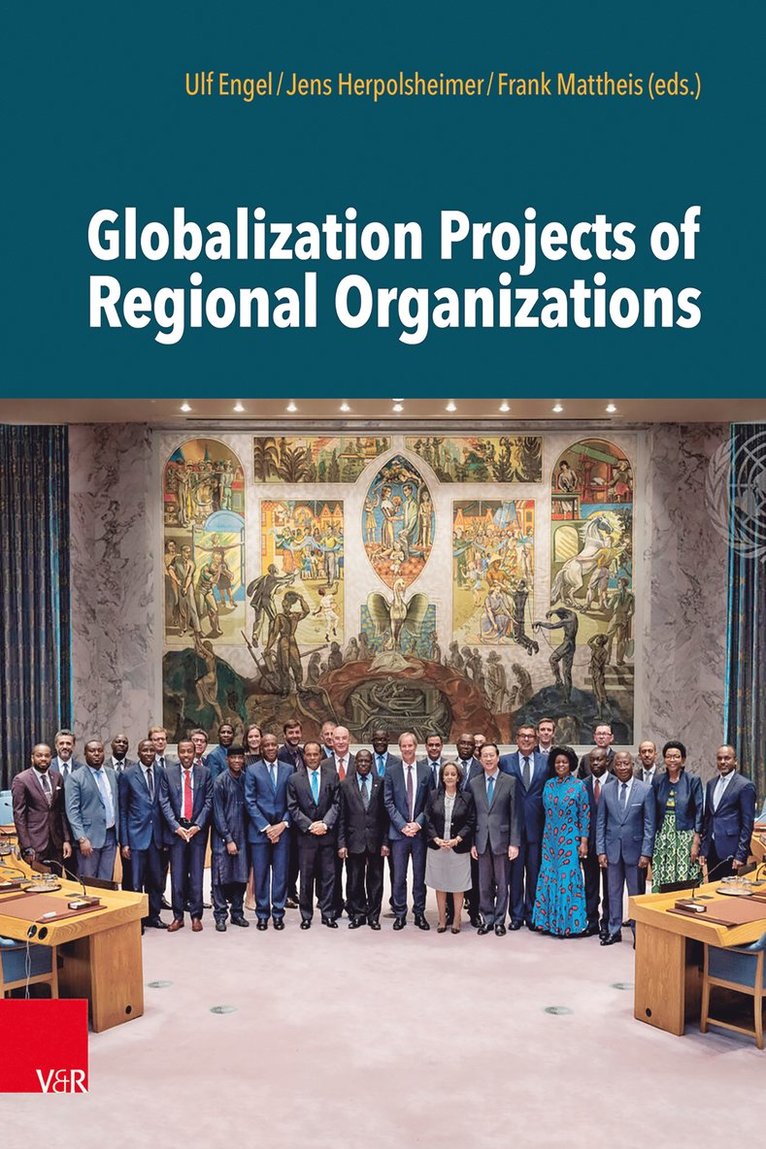
Globalization Projects of Regional Organizations
Ulf Engel, Jens Herpolsheimer, Frank Mattheis
Inbunden, 2025
2 419 kr