In Adam, Eve, and the Babylonian Origins of the Garden of Eden, Bruce Wells uncovers remarkable similarities between Adam and Eve and the oblates who worked for Babylonian temples of the sixth century BCE. Like Adam and Eve, oblates had to tend and protect divine orchards. They could eat some of the fruit, but not what was earmarked for the temple and the gods. Oblates were barred from special religious knowledge and could be punished severely for stealing divine property. Adam and Eve were but servants, modeled on this group of temple staff. Once they -- God's oblates -- eat the forbidden fruit, they are forever changed. They now posed a danger not only to themselves but also to the God who created them. Bruce Wells's book is the first to mine the Babylonian temple archives for the background knowledge assumed by the biblical author. It brings a new and fresh perspective to one of the Bible's best-known stories.
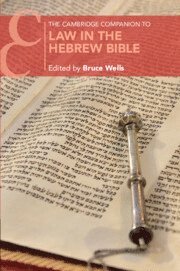
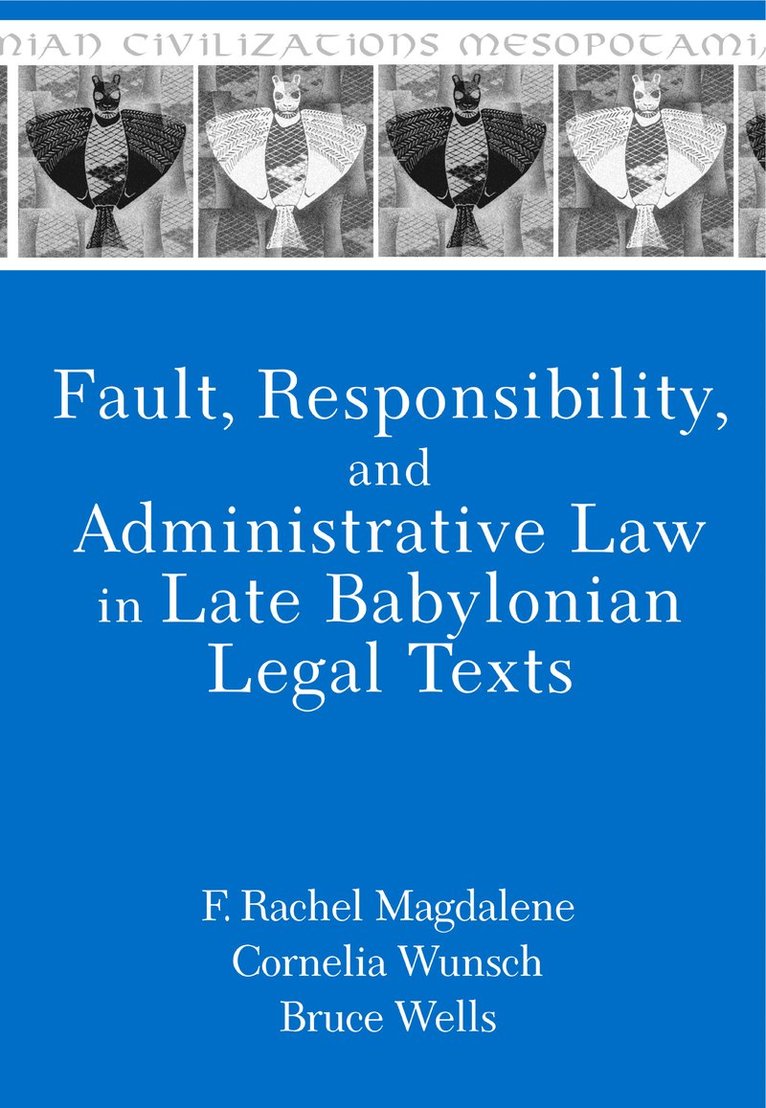
Bruce Wells is Associate Professor in the Department of Middle Eastern Studies, University of Texas, Austin. He is the author of The Law of Testimony in the Pentateuchal Codes (2004), co-author of Everyday Law in Biblical Israel (2009) and Fault, Responsibility, and Administrative Law in Late Babylonian Legal Texts (2019), and editor of The Cambridge Companion to Law in the Hebrew Bible (2024).
Introduction: a new direction; 1. The problem of the story's prehistory; 2. The Babylonian evidence: temples and their personnel; 3. The Babylonian evidence: oblates and orchards; 4. The oblates of Eden at work; 5. The oblates of Eden in revolt; 6. Interpreting the Eden story; Conclusion: historical touchpoints; Appendix; Bibliography; Subject index; Text index.
In Adam, Eve, and the Babylonian Origins of the Garden of Eden, Bruce Wells uncovers remarkable similarities between Adam and Eve and the oblates who worked for Babylonian temples of the sixth century BCE. Like Adam and Eve, oblates had to tend and protect divine orchards. They could eat some of the fruit, but not what was earmarked for the temple and the gods. Oblates were barred from special religious knowledge and could be punished severely for stealing divine property. Adam and Eve were but servants, modeled on this group of temple staff. Once they -- God's oblates -- eat the forbidden fruit, they are forever changed. They now posed a danger not only to themselves but also to the God who created them. Bruce Wells's book is the first to mine the Babylonian temple archives for the background knowledge assumed by the biblical author. It brings a new and fresh perspective to one of the Bible's best-known stories.
Bruce Wells is Associate Professor in the Department of Middle Eastern Studies, University of Texas, Austin. He is the author of The Law of Testimony in the Pentateuchal Codes (2004), co-author of Everyday Law in Biblical Israel (2009) and Fault, Responsibility, and Administrative Law in Late Babylonian Legal Texts (2019), and editor of The Cambridge Companion to Law in the Hebrew Bible (2024).
Introduction: a new direction; 1. The problem of the story's prehistory; 2. The Babylonian evidence: temples and their personnel; 3. The Babylonian evidence: oblates and orchards; 4. The oblates of Eden at work; 5. The oblates of Eden in revolt; 6. Interpreting the Eden story; Conclusion: historical touchpoints; Appendix; Bibliography; Subject index; Text index.